Netflix used AI to reconstruct Hillel Slovak’s voice for its Red Hot Chili Peppers documentary
My stack My fav 6 tools for AI music after testing 70+
-
 ElevenMusic · Music generation
 -
 Moises · Stem separation
 -
 Controlla · Voice swap & cloning
 -
 Cryo Mix · Mixing + mastering
 -
 Neural Frames · Music videos
 -
 ONCE · Distribution
Some links are affiliate links — I earn a commission at no cost to you. Every tool here is one I run myself and truly believe in. This stack is proven.
Key highlights:
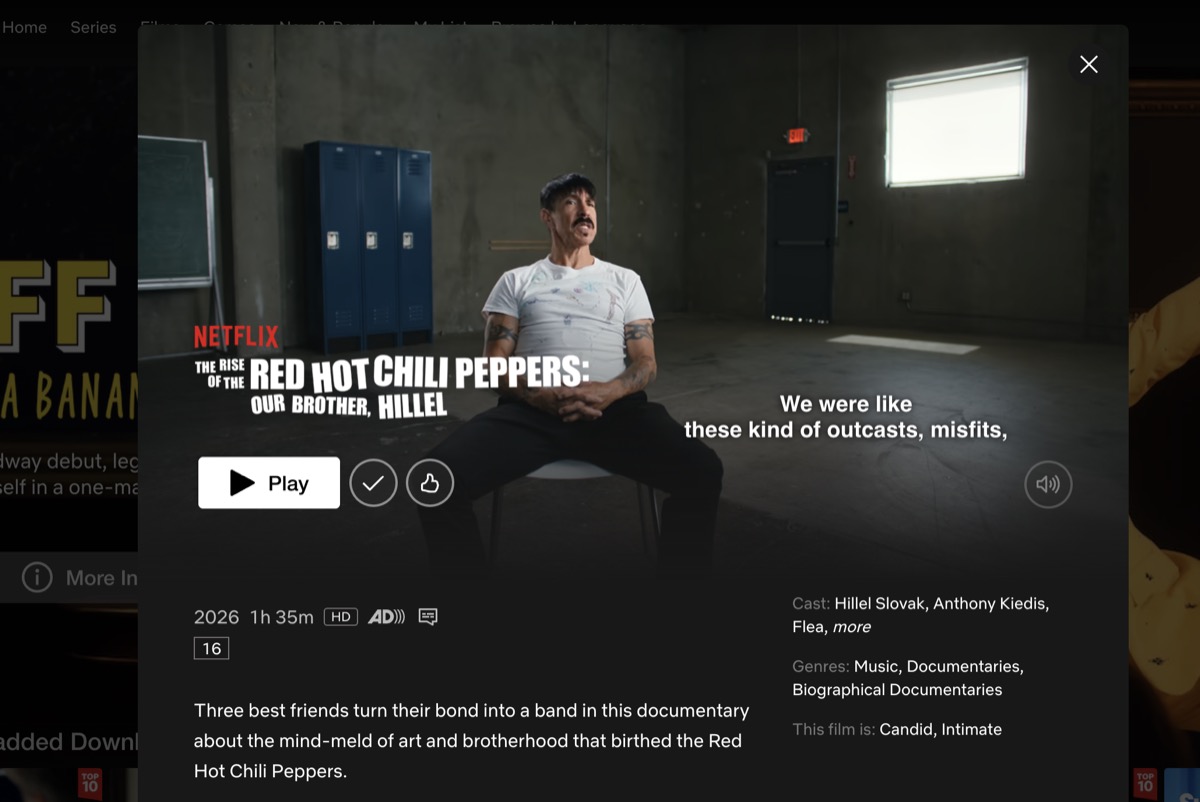
- Netflix’s The Rise of the Red Hot Chili Peppers: Our Brother, Hillel (premiered March 20, 2026) used AI to reconstruct guitarist Hillel Slovak’s speaking voice to narrate passages from his personal journals.
- Director Ben Feldman obtained consent from Slovak’s brother James and disclosed the reconstruction in the film with the phrase “digitally reconstructed.”
- Anthony Kiedis and Flea participated as the documentary’s primary voices, but the band publicly distanced itself from the project before it aired.
How Netflix reconstructed a dead guitarist’s voice
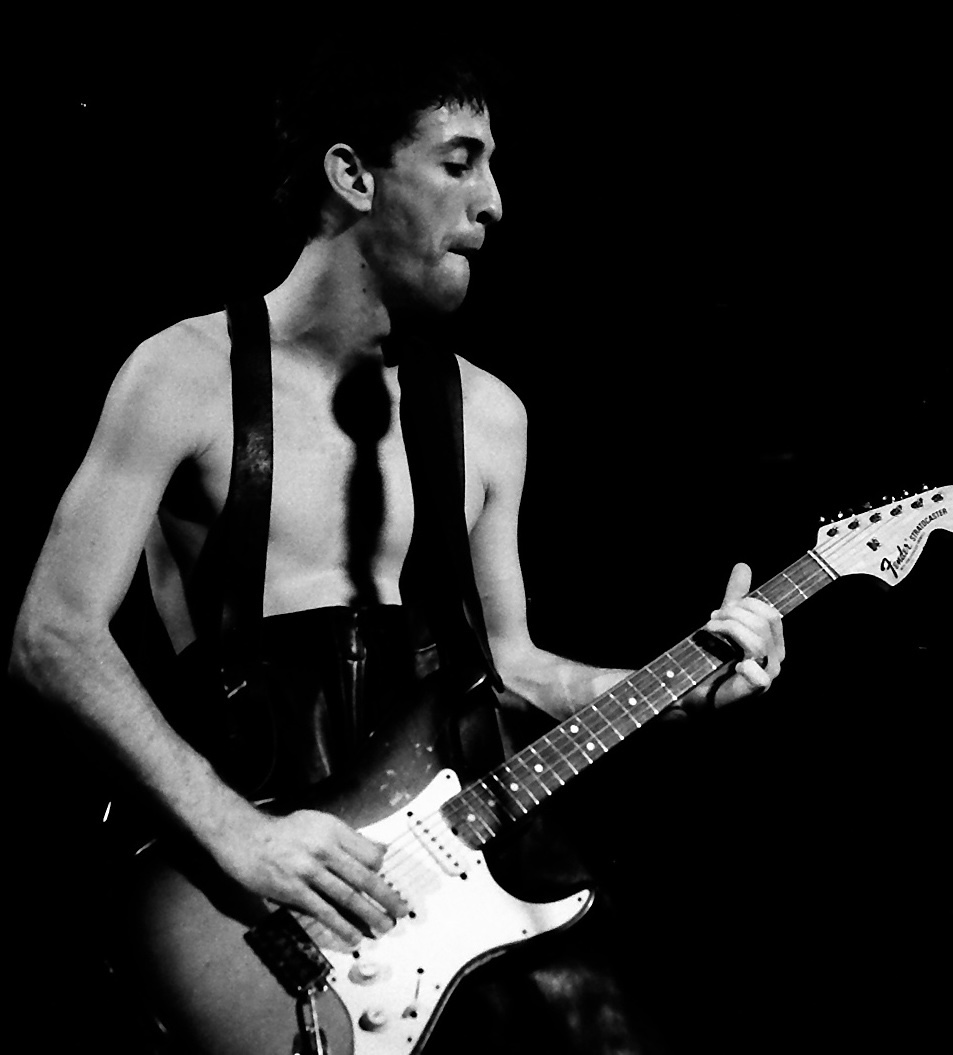
Hillel Slovak died in 1988 at age 26. He left behind personal journals but no recordings of him narrating them. For the documentary, director Ben Feldman used AI to synthesize Slovak’s speaking voice from available source material and had it read those journals on screen.
The film disclosed the reconstruction upfront. Slovak’s brother James consented. Digital Music News reported fan backlash almost immediately, with reviewers noting the uncanny valley quality of the result. That reaction matters because consent and disclosure are precisely what’s absent in most AI voice theft cases. Here, both were present. The backlash arrived anyway.
Director Feldman got family blessing for reconstruction
In a statement on Netflix’s editorial hub, director Ben Feldman explained the decision directly: “With the blessing of Hillel’s family, we used AI to have Hillel’s voice reading his own journals.”
NME’s reporting confirms the documentary features Kiedis and Flea as its primary on-screen voices, alongside Jack Irons, Alain Johannes, and Slovak’s girlfriend Addie Brik. Before the premiere, the full Red Hot Chili Peppers distanced themselves, insisting the film was about Slovak rather than the band. The finished film makes that position difficult to sustain, given how central Kiedis and Flea’s accounts are to the entire narrative.
The legal gap family consent can’t close
The takeaway: Family consent satisfies what the law requires. It doesn’t answer what the artist would have authorized.
This is not an AI music generation story. It’s a right-of-publicity case. Under California’s posthumous voice rights law, name, voice, and likeness protections extend 70 years after death. Slovak died in 1988; his estate holds that protection through 2058. Netflix worked within the rules.
What the rules don’t resolve is the gap between family authorization and artist authorization. The Whitney Houston AI voice used for her symphonic celebration tour was managed directly by her estate with a deliberate rollout strategy. The DMX posthumous AI releases triggered fan outrage despite family-adjacent sourcing. A new AI-cloned album of late rapper Eyedea, built by his own mother, sits on the consenting end of that spectrum. Pattern: family says yes, fans say no, and existing law offers no mechanism to reconcile them.
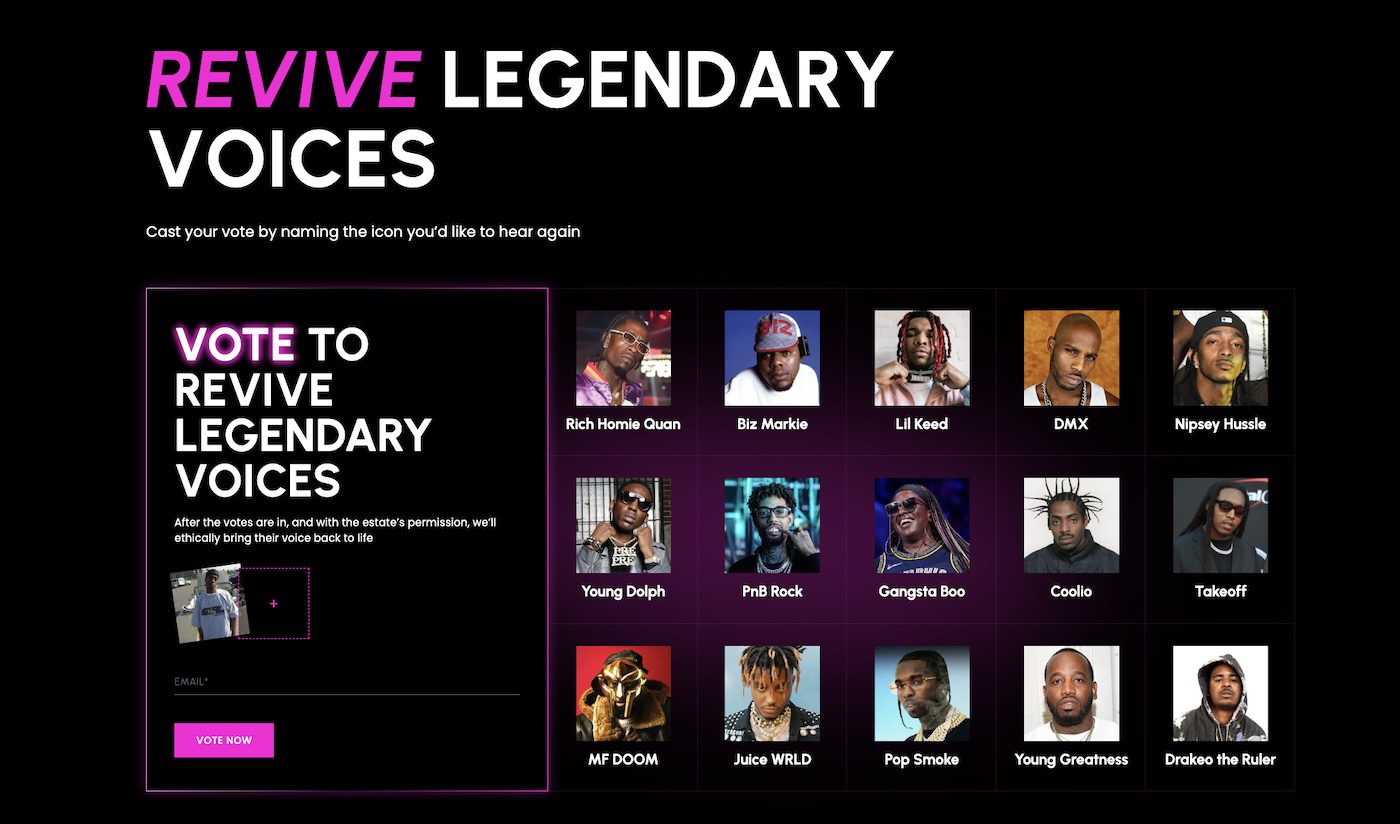
Respeecher’s framework for AI voice in documentary contexts treats formal estate authorization as the ethical baseline, not informal family consent. Slovak left journals. He left no instructions for what to do with his voice.
Artists need explicit AI voice provisions in estates

Netflix has now set a working standard: posthumous AI voice synthesis is permissible with family consent and on-screen disclosure. That standard is in place whether the industry intended it or not.
The pending CLEAR Act would require explicit consent before AI voice replication, but it targets living artists. Provisions for deceased artists remain absent from federal legislation. AI voice cloning platforms have lowered the barrier to synthesis enough that this is no longer a theoretical edge case.
The practical step is straightforward: add AI voice provisions to your estate documentation now. State whether posthumous synthesis is permitted, who may authorize it, and under what conditions. The Deadmau5 deepfake case showed what happens without consent. The Slovak case shows that informal family consent isn’t enough to prevent controversy either.
Frequently asked questions
Did Netflix get permission to use Hillel Slovak’s AI voice?
Netflix obtained consent from Slovak’s brother James, who appears in the documentary. The film disclosed the AI reconstruction to viewers early on. Slovak himself left no documented authorization for posthumous AI voice synthesis, which is the gap the controversy exposed.
Why did fans react negatively despite the disclosure?
Reviewers described the reconstruction as producing an uncanny valley effect: the voice was close to Slovak’s but not quite right in ways many found unsettling. Disclosure removes deception but doesn’t resolve the emotional discomfort of hearing a synthesized version of a deceased person speak.
What is the right of publicity and how does it apply here?
The right of publicity protects a person’s name, voice, image, and likeness from unauthorized commercial use. In California, this extends 70 years after death, meaning Slovak’s estate holds protection through 2058. Netflix worked within those rules. No federal law currently requires explicit artist authorization for posthumous AI voice synthesis.
What should artists do to protect their voice after death?
Add AI voice provisions to estate documentation now: state explicitly whether posthumous synthesis is permitted, who may authorize it, and under what conditions. The CLEAR Act, if passed, would address this for living artists, but existing federal protections for deceased artists rely entirely on state right-of-publicity law and whatever estate documents exist.
About the author
Covering AI music tools, industry shifts, and news for music creators and professionals. Twice-weekly newsletter at aimusicpreneur.com.