Charlie Puth is now a Chief Music Officer — 5 things this tells us about AI music’s next phase:
My stack My fav 6 tools for AI music after testing 70+
-
 ElevenMusic · Music generation
 -
 Moises · Stem separation
 -
 Controlla · Voice swap & cloning
 -
 Cryo Mix · Mixing + mastering
 -
 Neural Frames · Music videos
 -
 ONCE · Distribution
Some links are affiliate links — I earn a commission at no cost to you. Every tool here is one I run myself and truly believe in. This stack is proven.
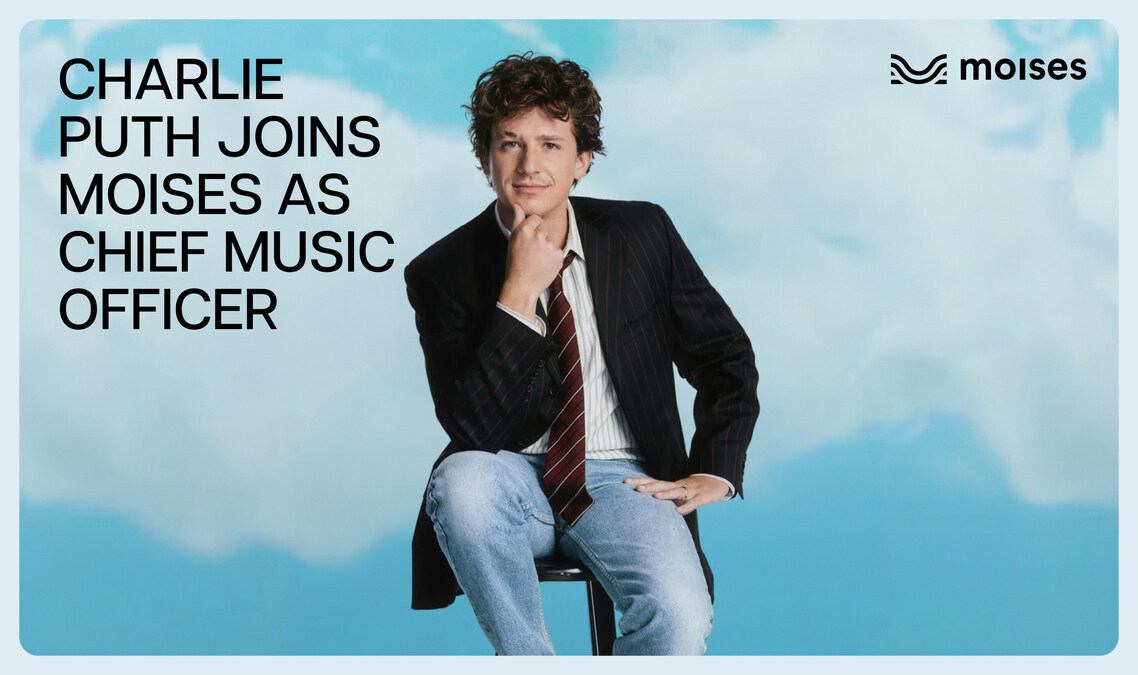
Charlie Puth joined Moises as Chief Music Officer this week. The Grammy-nominated producer’s appointment to the 70-million-user AI platform signals a turning point for how AI music companies build credibility with working musicians.
Here are five things this move reveals about where the industry is heading.
1. Tech Demos Are Out, Artist Validation Is In
AI music startups spent 2024 and 2025 showing off what their tools could generate. That phase is ending. Moises recruited Puth because he’s used the platform in his own production for years.
This matters because your peers now define which tools are legitimate. When a four-time Grammy nominee publicly backs a platform, it removes the stigma of mentioning AI in professional sessions.
Watch for similar appointments at competing platforms within six months. The race for artist-first tools is on.
2. “AI Instrument” Becomes the Key Distinction

Moises does not create songs from scratch. It handles AI stem separation, chord identification, pitch adjustment, and arrangement experimentation. This positions it as a DAW-adjacent power tool, not a replacement for your creativity.
Generative music AI platforms like Suno and Udio face ongoing RIAA lawsuits over training data. Moises sidesteps this entirely.
Expect regulators to treat these two categories differently within two years. Choose your tools accordingly.
3. Copyright-Safe Models Win Label Support
Moises trains exclusively on licensed training data. Labels can recommend it to artists without legal exposure. This follows the ethical AI training framework gaining traction across the industry.
Puth addressed this directly: “”AI, when done right, isn’t here to replace musicians. It’s here to help artists learn, explore, and bring their ideas to life.””
Check whether your current AI tools hold Fairly Trained certification before integrating them into client work.
4. Agency Money Signals Durable Infrastructure
Connect Ventures, a partnership between CAA and NEA, led Moises’s $40M Series A. Total music tech funding for the platform now sits at $52M.
When talent agencies invest in AI tools, they’re betting these platforms become permanent parts of the music business. The $100,000 Super Bowl remix competition on Puth’s track “Beat Yourself Up” shows how user acquisition now targets aspiring producers with real prize pathways.
This follows the artist-led startups playbook that made Beats by Dre a billion-dollar brand.
5. The CMO Playbook Will Spread Fast
The risk with artist appointments is performative marketing. The test: does Puth influence the product roadmap, or only the press releases?
If his fingerprints show up on feature releases, other platforms will copy this model immediately. Within five years, major DAWs like Logic, Ableton, and Pro Tools will integrate Moises-style AI natively.
Start with the stem separation feature to test the platform yourself. You’re not outsourcing your creativity. You’re accelerating your workflow with a tool a Grammy-level artist publicly vouches for.
About the author

Covering AI music tools, industry shifts, and news for music creators and professionals. Twice-weekly newsletter at aimusicpreneur.com.