Lionel Richie is trademarking his voice because nothing else protects it
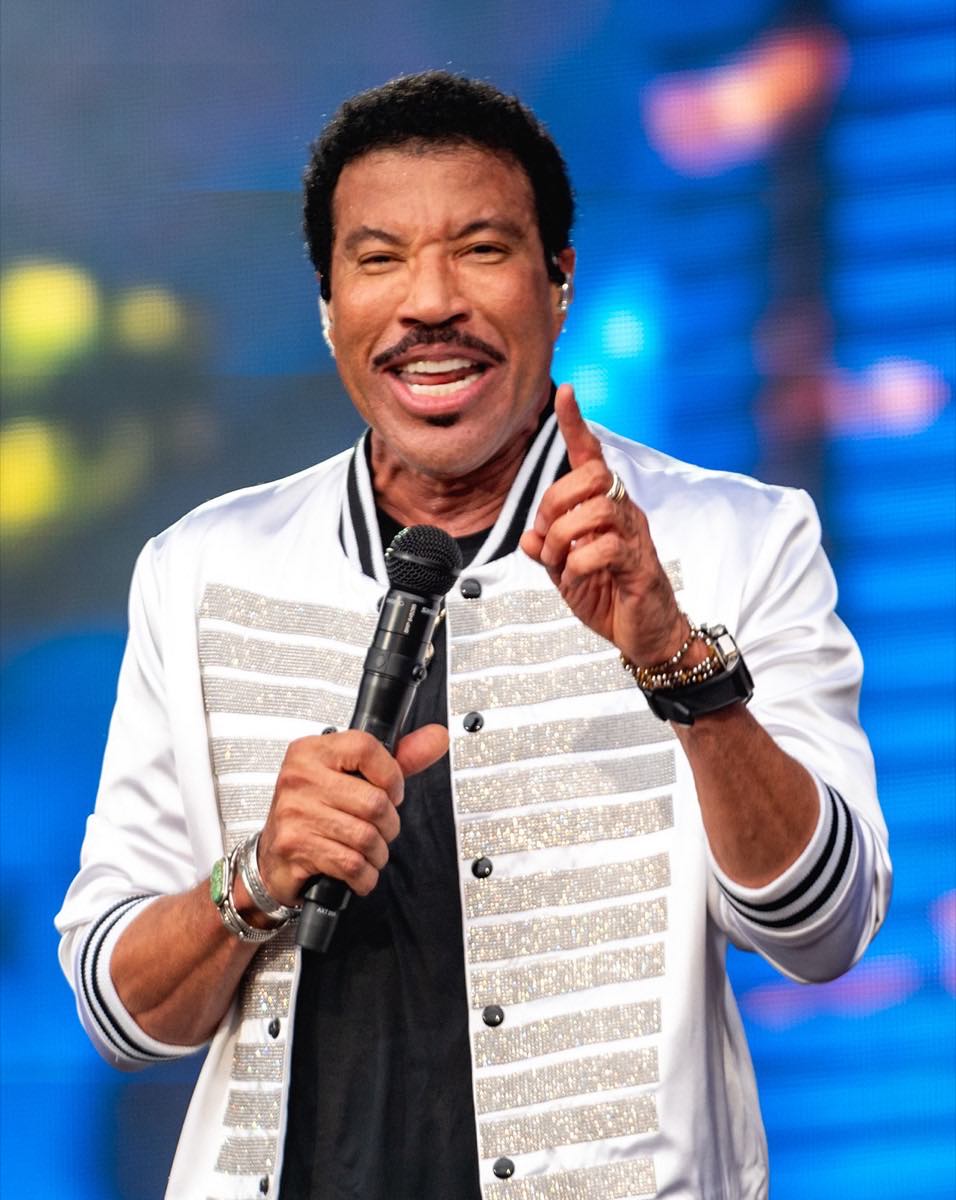
Lionel Richie wants to own the sound of his own voice. On June 11, 2026, he filed 4 sound-mark applications with the US Patent and Trademark Office, one for each of his best-known lines, to keep AI from cloning them. The move reads like foresight. Read it next to the week it landed in, and it reads like a man reaching for the only lever left.
Richie is not alone. Taylor Swift filed for her voice in April. Matthew McConaughey registered 8 marks on his face and his Texan drawl back in January. All of them are reaching for trademark law because the tools that were supposed to protect their voices keep failing.
Look at Bridgit Mendler the same week. A fake EP called “Once Again…” appeared on her official Spotify and Apple Music profiles and sat there for days. Spotify pointed to its opt-in Artist Profile Protection, but Mendler had not enrolled, so nothing stood between an anonymous upload and her verified page.
The timing is the tell.
Why a trademark can’t protect the timbre of a voice
A court has already looked at this and said no.
In Lehrman v. Lovo, decided in the Southern District of New York in July 2025, two voice actors sued an AI company for cloning their voices. The court threw out their trademark claims. Trademark protects a sound only when it works as a source identifier, a signal that points to one brand. The court ruled a voice used as the product itself does not do that, and warned that stretching the law to cover any recognizable voice would turn trademark into a general right of persona.
That is the gap. Copyright covers a fixed recording. Trademark covers a brand signal. Neither one covers the timbre of a voice, which is the one thing an AI model copies.
McConaughey’s lawyers found the move that works. They did not trademark his voice, they trademarked specific clips of it, like the pitch and rhythm of “alright, alright, alright” tied to his commercial brand. That can register. A trademark on 4 catchphrases gives Richie’s lawyers one more thing to point at in a courtroom. It does not build a wall around his voice.
Trademarking your voice is a rich-get-richer kind of protection
The deeper problem is who this option is built for.
A sound mark costs $350 per class to file, plus surcharges for the custom description a voice mark needs, plus $1,500 to $3,500 for a lawyer to answer the office actions that follow. Richie filed 4. Most working artists cannot file one.
Money is only half of it. A mark needs secondary meaning, proof the public already hears that voice and thinks of one brand. A famous artist clears that bar. An artist still building an audience cannot, so the protection works better the more famous you already are. The newcomer most exposed when a cloned track steals their streams is the one it leaves out.
What covers everyone else is law, not lawyers. Tennessee’s ELVIS Act protects a voice at every level of fame. The NO FAKES Act would do it nationwide, for every person, famous or not. Until one of them covers you, the practical defense is documentation, contracts, and fast takedowns.
The protection layer is plumbing, and the plumbing does not work yet
I sat on a panel at GEMA in Berlin this spring, next to lawmakers and a rights lawyer, on who owns the music of tomorrow. My position then is my position now. Consent, compensation, and protection are the right frame. The trouble is the machinery to enforce them does not work yet, and the attribution tech meant to track misuse gets picked apart on reliability.
That is what the Mendler case exposed. The fake EP did not get caught by a trademark or a law. It walked in through the upload, because nobody was checking the upload.
Not every clone is theft. Eyedea’s mother rebuilt her late son’s voice for a consensual posthumous album. The upload gate cannot tell the difference, and neither can a trademark. Every legal right on the table, the trademark, the state statute, the federal bill, is a tool you pick up after the damage is done.
The case for filing a voice trademark anyway
There is a fair argument on the other side. A trademark is one more weapon, and in a fight this lopsided, artists should take every weapon they can get.
We want to create a clear perimeter around ownership with consent and attribution the norm in an AI world.
That holds, with limits. A registered mark does give a lawyer standing to argue confusion when a clone is used to sell something or fake an endorsement. It does nothing against a clone shared for free, nothing before the clone exists, and the one court to rule on it sent the trademark claim home. As a flag to plant, it works. As a fence, it does not.
Where this goes after the NO FAKES vote on June 18
The NO FAKES Act gets a Senate Judiciary Committee vote on June 18. It is the strongest version yet, bipartisan, backed by the RIAA, with new free-speech carve-outs added to smooth its path. I expect it to keep moving.
It will also disappoint anyone hoping for a single shield. The bill leans on a notice-and-staydown system that needs detection infrastructure nobody has built yet, carries exceptions for news and parody, and draws opposition from the EFF, the ACLU, and the video game industry. Even passed, it is a way to sue and take down, not to prevent.
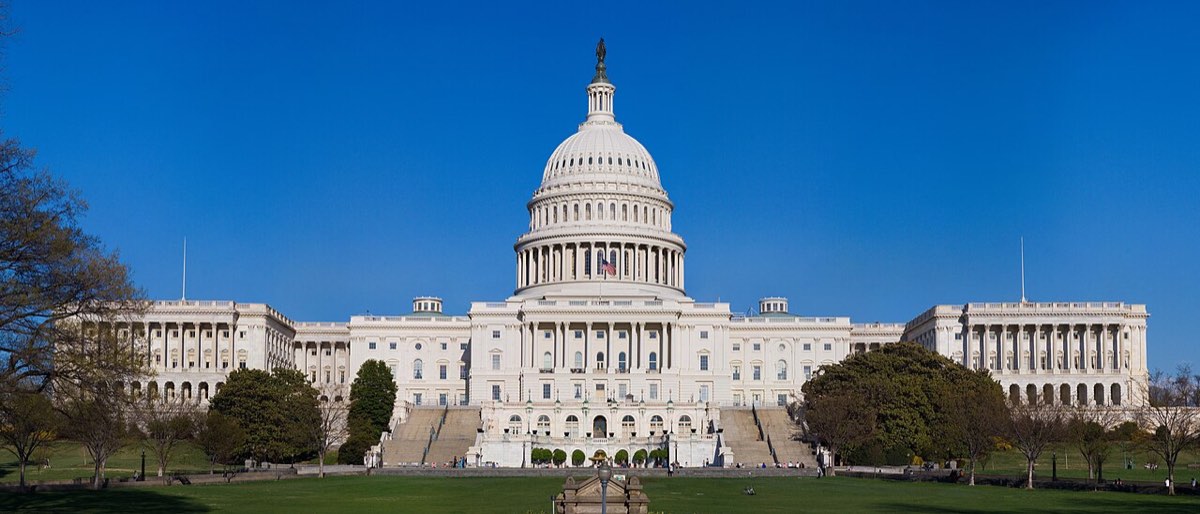
So my call for the next 6 to 12 months. The protection layer stays a patchwork, not a shield. State laws here, a federal right maybe, trademark filings for those who can afford the gesture. The Richie filings are the loudest signal yet that artists have stopped waiting for the system to protect them and started improvising.
About the author
Covering AI music tools, industry shifts, and news for music creators and professionals. Twice-weekly newsletter at aimusicpreneur.com.