Lionel Richie files 4 trademark applications to protect his voice from AI clones
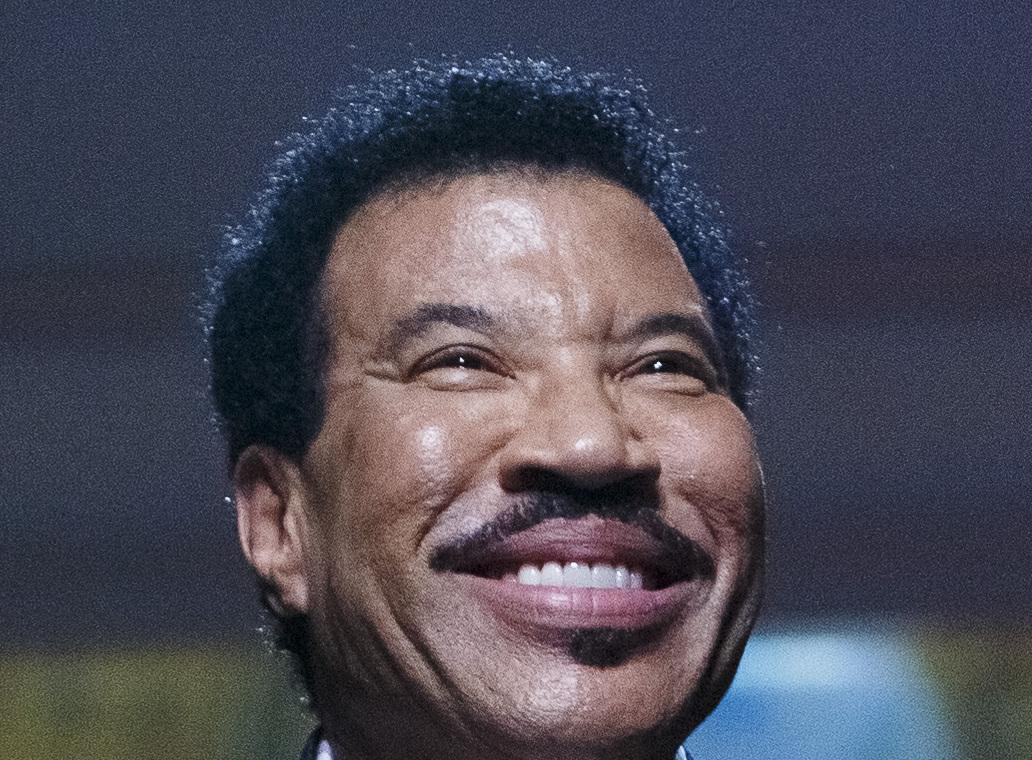
Lionel Richie wants to own the sound of his own voice. On June 11, 2026, the four-time Grammy winner filed four sound-mark trademark applications with the US Patent and Trademark Office, each covering a snippet of his most famous lyrics. The goal is plain: build a legal wall against AI clones of his voice.
What Lionel Richie’s four sound marks cover
The applications target four lines every fan knows: “Hello, is it me you’re looking for?”, “Say you, say me,” “Easy like Sunday morning,” and “All night long.” Each filing describes the mark as “a man saying” the lyric.
Richie is seeking protection across uses like entertainment information services, stage performances, interviews, and his websites. A sound mark protects a specific sound tied to a brand, the way NBC’s three chimes and the THX “Deep Note” are registered.
Why singers are racing to trademark their voices
Richie is not first. Taylor Swift and Matthew McConaughey have both filed voice and likeness trademarks, and McConaughey’s “Hey, hey, hey” application dates to 2023. AI soundalikes pushed all of them to act.
Copyright already covers a song’s recording and its composition. It does not cleanly cover the timbre of a voice, the one thing AI cloning copies best. That gap is why artists are reaching for trademark law, federal likeness bills, and any tool that might give them standing in court. Céline Dion has already warned fans about AI fakes using her name.
Whether any of this holds up is an open question. Trademark lawyers at Gerben IP flagged “significant legal hurdles” for these rarely tested filings. Sound marks on a real human voice raise messy questions, like what happens when another singer naturally sounds similar, and whether this becomes first come, first served.
What voice trademarks can and can’t do for smaller artists
You will not trademark your whole voice. You might protect a signature phrase or hook you are known for, the way Richie did with his. For most independent artists, the realistic move is documentation: register your recordings, keep proof of your catalog, and understand how hard AI voice cloning is to prove once it happens.
The same week Richie filed, an AI-cloned album of the late rapper Eyedea arrived on streaming, and Boy George used AI on his own voice to re-record and reclaim “Karma Chameleon”. One artist is trying to lock his voice down. Another’s was rebuilt by his family. A third used AI on his own voice by choice. All three are normal now.
Frequently asked questions
Why is Lionel Richie trademarking his voice?
Richie is trying to build a legal defense against AI clones of his voice, which can now copy a singer's tone from a few samples. Trademark law may give him standing to act against soundalike recordings that copyright does not cleanly cover.
Which Lionel Richie lyrics are in the trademark applications?
The four sound-mark filings cover the lines Hello is it me you're looking for, Say you say me, Easy like Sunday morning, and All night long. Each application describes the mark as a man saying the lyric, tied to uses like performances, interviews, and his websites.
What legal hurdles do Lionel Richie's trademark filings face?
Trademark lawyers at Gerben IP flagged significant hurdles for Lionel Richie's sound-mark applications. Registering a real singing voice is rarely tested, and questions like what happens when another singer naturally sounds similar make approval far from certain.
Will a sound-mark trademark stop AI clones of Lionel Richie?
Not on its own. A trademark on a few signature phrases gives Richie's lawyers one more argument in court, but it does not block every AI clone, and enforcement against AI voice copies remains difficult to prove.
About the author
Covering AI music tools, industry shifts, and news for music creators and professionals. Twice-weekly newsletter at aimusicpreneur.com.