3 reasons ticketing apps won’t die from ChatGPT (and 3 reasons they’ll lose their grip on discovery)
My stack My fav 6 tools for AI music after testing 70+
-
 ElevenMusic · Music generation
 -
 Moises · Stem separation
 -
 Controlla · Voice swap & cloning
 -
 Cryo Mix · Mixing + mastering
 -
 Neural Frames · Music videos
 -
 ONCE · Distribution
Some links are affiliate links — I earn a commission at no cost to you. Every tool here is one I run myself and truly believe in. This stack is proven.

Key highlights
- Every major US ticketing platform integrated with ChatGPT between December 2025 and April 2026, signaling an industry-wide shift toward AI-powered event discovery.
- Ticketmaster controls 60% of ticketing and Live Nation books 78% of large US amphitheaters, giving apps structural moats ChatGPT can’t replicate.
- Edgar, Dunn & Company projects £2.4 billion in UK ticket sales flowing through AI agents by 2028, roughly 37% of the total market.
Four months, four platforms, one signal
StubHub launched in ChatGPT in December 2025. SeatGeek followed in March 2026, becoming the first platform to offer blended primary and resale inventory through a single AI experience. Ticketmaster joined in April 2026 alongside OpenAI’s paid advertising pilot. Vivid Seats and Gametime were already there.
The speed tells the story. When every competitor moves to the same platform within 4 months, they’re responding to a structural shift, not experimenting. Here’s what holds ticketing apps together and what’s pulling them apart.
3 reasons ticketing apps won’t die
1. Exclusive venue contracts lock supply
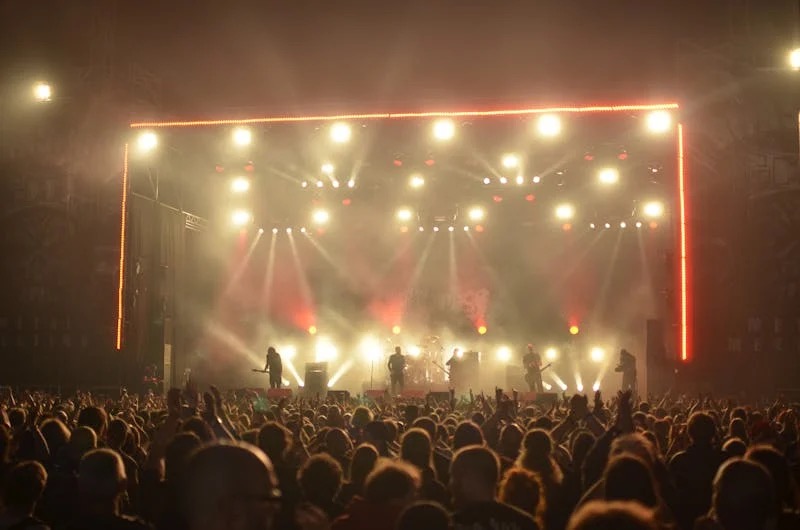
Live Nation owns, operates, or exclusively books 78% of the 87 large US amphitheaters, according to DOJ filings. Ticketmaster holds roughly 60% of the ticketing market. ChatGPT can surface listings, but it can only show what platforms choose to share via API. The supply side stays locked.
The Live Nation antitrust trial could change this. The DOJ settled in March 2026 with a $280M fine, an 8-year consent decree, fee caps at 15%, and divestiture of 13 amphitheaters. But 34 states are pressing forward, and the jury began deliberating on April 11, 2026.
2. Seat selection and rich UX stay on-platform
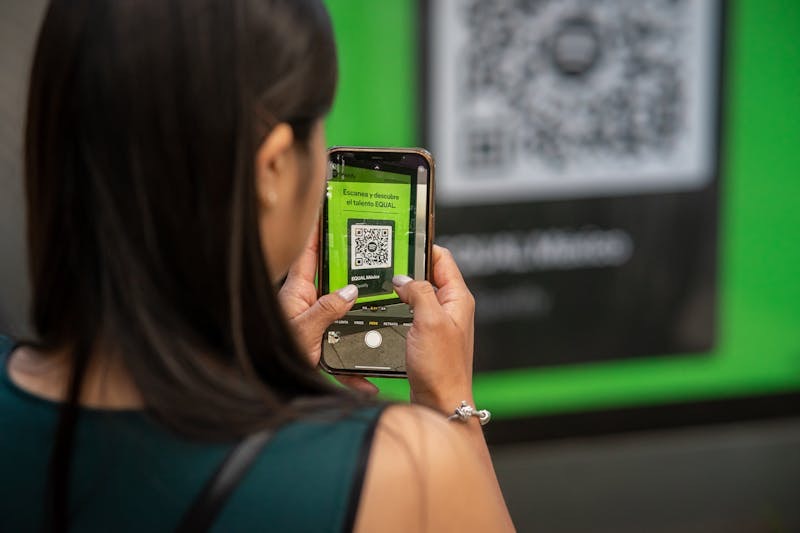
Buying concert tickets requires interactive seat maps, view-from-seat imagery, dynamic pricing comparisons across sections, and venue-specific details like parking and accessibility. ChatGPT can recommend events, but the visual, spatial ticket-selection experience still lives inside the apps.
3. Post-purchase revenue is where the money is
Rokt argued that the real revenue sits after the transaction: parking, food and beverage, merchandise, travel, and seat upgrades. Ticketmaster’s digital wallet enables real-time offers and sponsor perks tied to fan identity. AI handles the “what should I do this weekend?” question. Apps own the full fan journey.
3 reasons they’ll lose their grip on discovery
1. AI assistants are becoming the front door
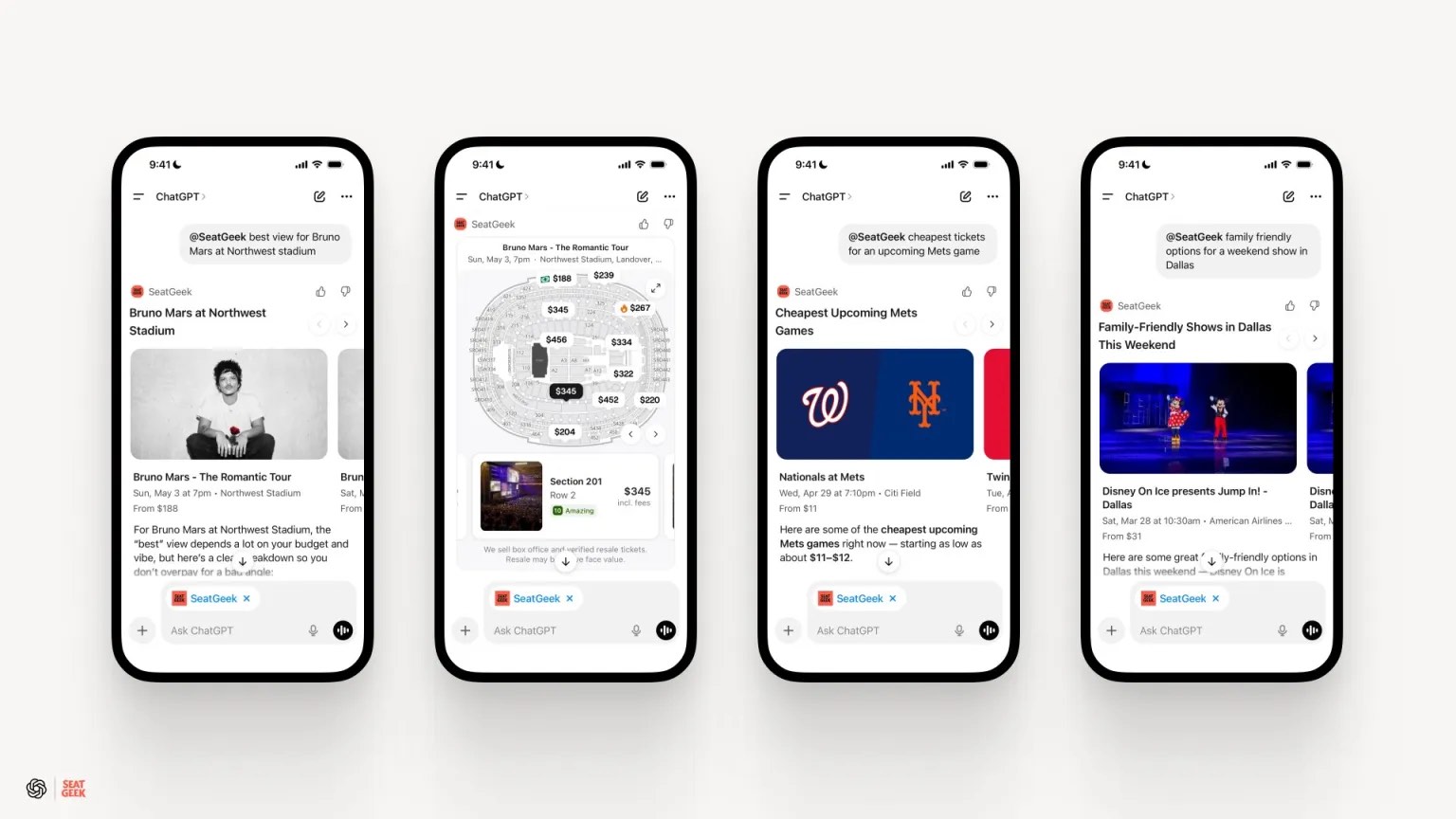
SeatGeek Co-Founder Russ D’Souza put it plainly: “Fans no longer start their journey in one place.” ChatGPT has 900 million weekly active users. Activate Consulting estimates 72 million Americans will use generative AI as a primary search tool by 2029. Edgar, Dunn & Company projects £2.4 billion in UK ticket sales through AI agents by 2028.
When fans ask “what concerts are near me this weekend?” in ChatGPT instead of opening Ticketmaster, the app loses its most valuable function: being the starting point. This mirrors what Spotify’s Prompted Playlists are doing to music discovery on the streaming side.
2. OpenAI is building the commerce layer
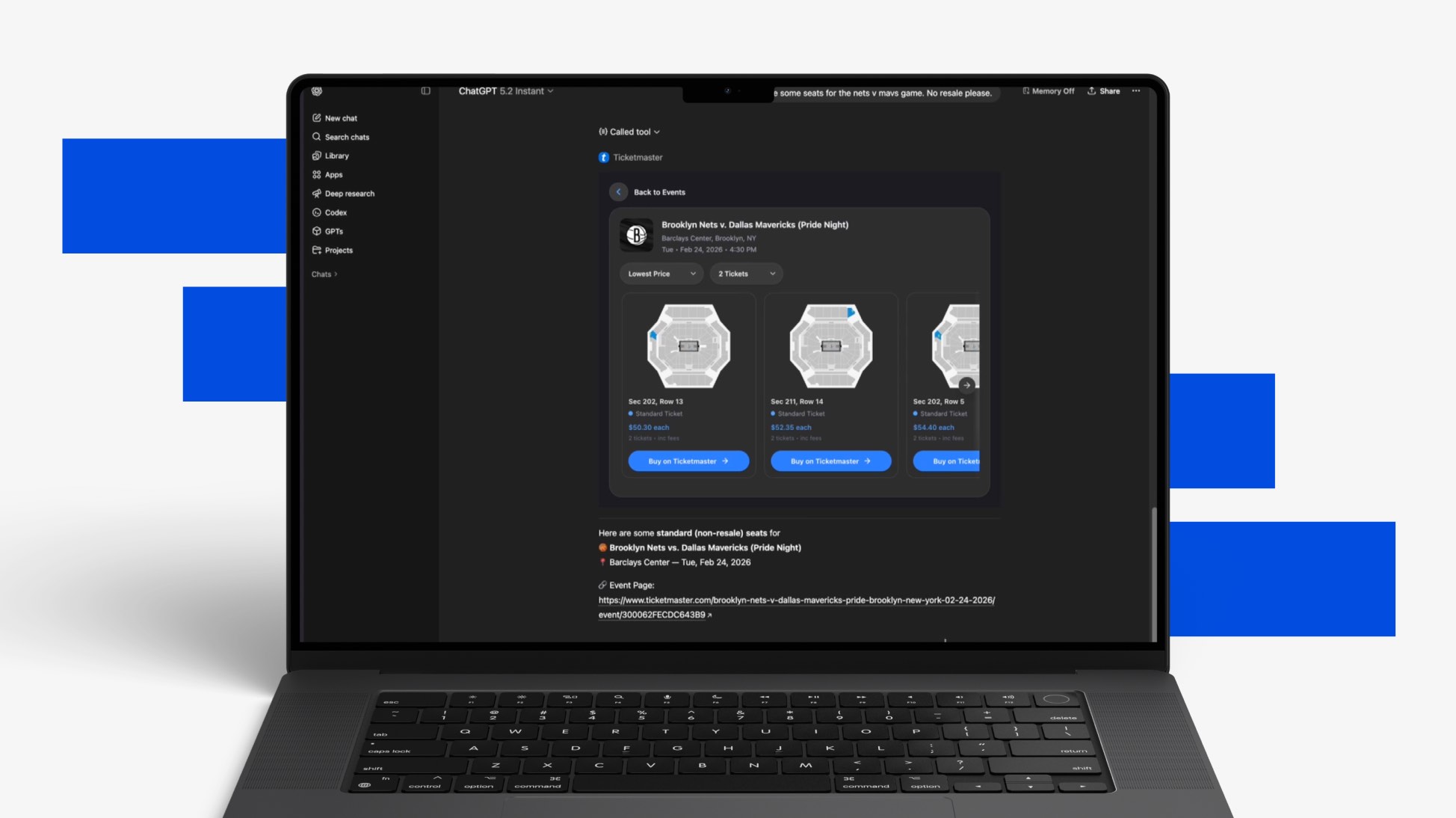
OpenAI co-developed the Agentic Commerce Protocol with Stripe as an open standard. Instant Checkout is live. Shared Payment Tokens let users buy without leaving ChatGPT. The platform is combining chat, browser, and Codex into a unified desktop super app.
Ticketmaster paying to advertise inside ChatGPT while fighting a monopoly trial is the clearest signal: even the dominant player sees its own app losing ground as the primary discovery channel.
3. App usage is already softening
Sensor Tower data shows Ticketmaster MAU declined 3% year over year, StubHub dropped 5%, and AXS fell 8%. SeatGeek bucked the trend with 61% growth, but the broader pattern is clear: download growth had been decelerating before AI integrations launched.
Morgan Stanley found only about 1% of shoppers currently use AI agents to make purchases. The gap between “I asked ChatGPT about concerts” and “ChatGPT bought my tickets” is enormous. But that gap is exactly what OpenAI’s commerce infrastructure is designed to close.
Independent artists face the steepest cost
The platforms with ChatGPT integrations control AI-visible inventory: Ticketmaster, SeatGeek, StubHub, Vivid Seats, Gametime. Platforms without integrations (Eventbrite, Dice, Ticket Fairy, and most direct-to-fan ticketers) don’t show up. If a fan asks ChatGPT “what indie shows are happening in Brooklyn this weekend?” the 200-cap venue selling tickets through its own website is invisible.
This is the same gatekeeping pattern that reshaped streaming discovery, now arriving in live events. The window for smaller platforms to build AI integrations is narrowing fast.
Frequently asked questions
Are ticketing apps like Ticketmaster being replaced by ChatGPT?
Not replaced, but demoted. ChatGPT is becoming a discovery layer where fans find events, but ticket purchases still redirect to ticketing platforms. Exclusive venue contracts and seat-selection UX keep apps essential for the transaction itself.
Can I buy concert tickets directly through ChatGPT?
Not yet for most events. ChatGPT surfaces listings from Ticketmaster, SeatGeek, and StubHub, but you complete the purchase on the ticketing platform. OpenAI’s Instant Checkout and Agentic Commerce Protocol are building toward in-chat purchasing, but regulatory and security barriers remain.
How does ChatGPT affect independent artists selling tickets?
Independent artists using smaller platforms like Eventbrite, Dice, or direct-to-fan ticketers risk invisibility. ChatGPT only surfaces inventory from platforms with active integrations. Artists on platforms without AI integrations won’t appear in AI-powered event searches.
Which ticketing platforms are integrated with ChatGPT in 2026?
As of April 2026: Ticketmaster, SeatGeek, StubHub, Vivid Seats, and Gametime all have ChatGPT integrations. SeatGeek is the first to offer blended primary and resale inventory. Ticketmaster also launched alongside OpenAI’s paid advertising pilot.
Will the Live Nation antitrust trial change how ticketing apps work?
Potentially. The DOJ settled in March 2026, but 34 states are continuing the case. Settlement terms include fee caps at 15%, divestiture of 13 amphitheaters, and requirements for multi-vendor ticketing at venues. A state victory could fragment the market and increase competition among apps.
About the author

Covering AI music tools, industry shifts, and news for music creators and professionals. Twice-weekly newsletter at aimusicpreneur.com.