Suno's product chief details its AI safeguards ahead of the first label-licensed model
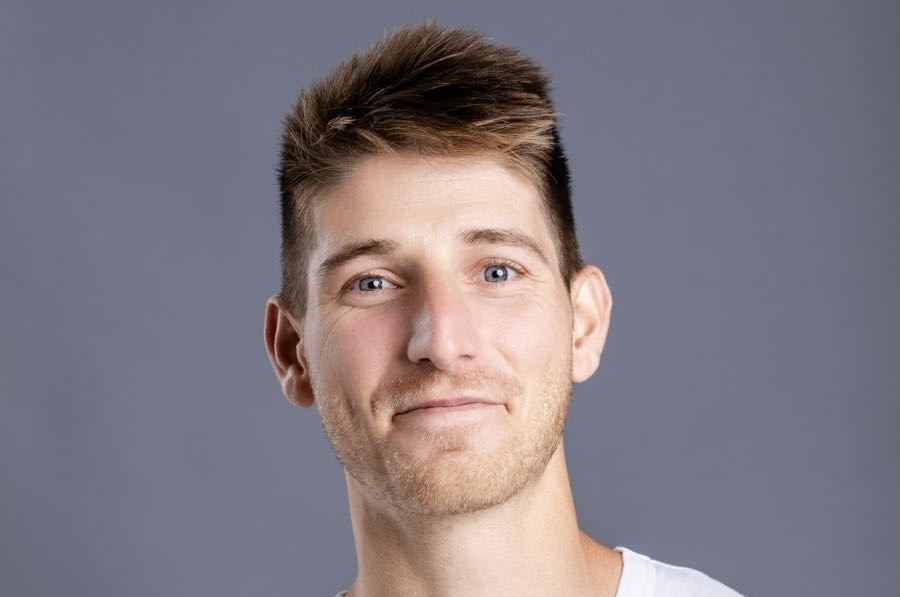
Suno is trying to convince the music industry it can be trusted. On June 11, 2026, its chief product officer Jack Brody posted a long defense of the company’s “platform integrity” rules, days before Suno launches its first AI model trained on licensed music. Brody, one of the original designers and longtime head of product at Snap, framed copyright safeguards as core to how Suno is built.
The timing is not an accident. Suno raised $400 million this month at a reported $5.4 billion valuation, and CEO Mikey Shulman used the moment to tease the licensed model. Warner Music is on board. Universal Music, Sony Music, Merlin, and the indie sector are not, and lawsuits with some of them are still live.
What Jack Brody says Suno built in from the start
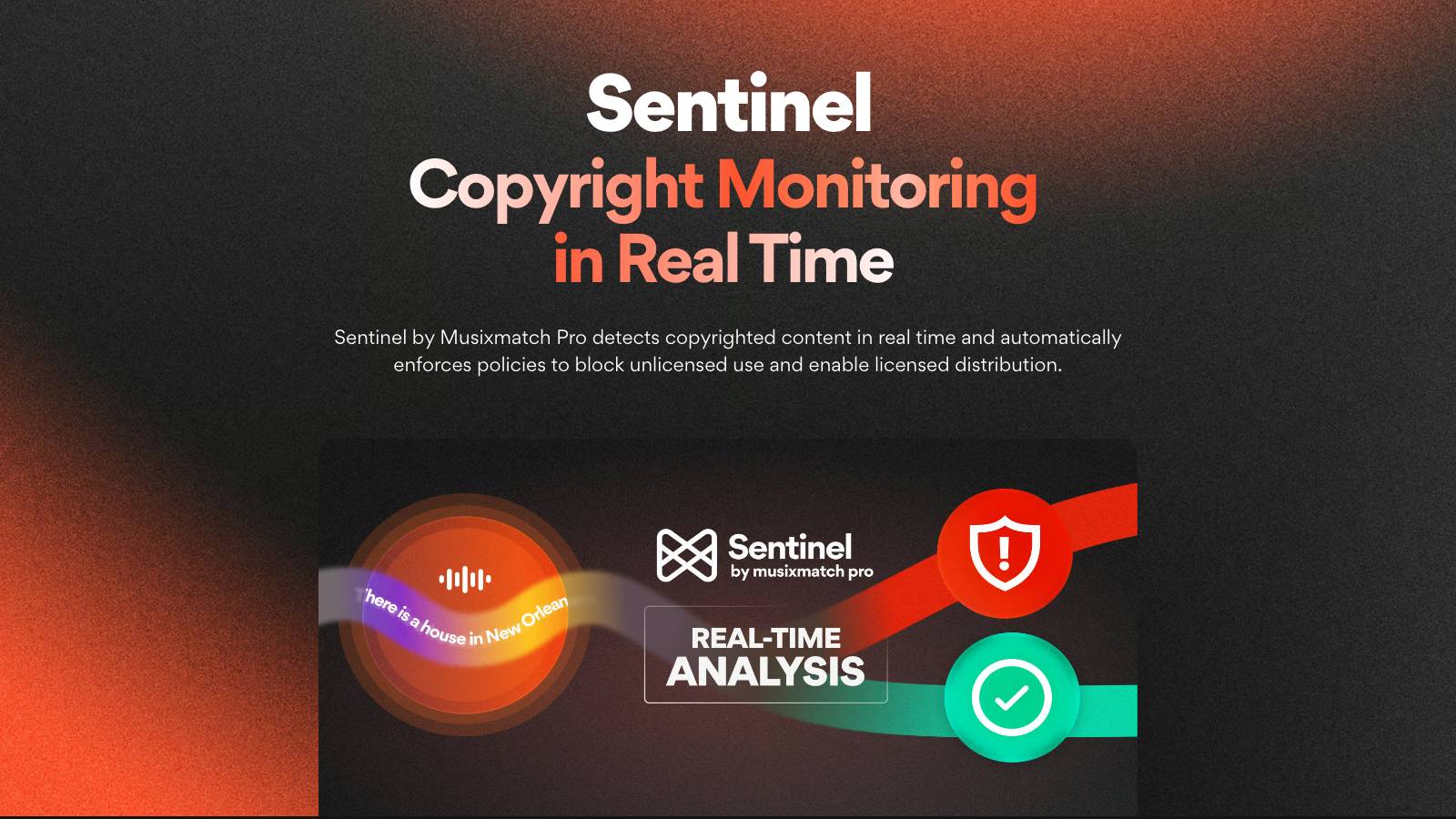
Brody’s LinkedIn post lists the safeguards. Suno bans users from uploading or distributing music they do not own, enforces those rules, and screens content with industry providers Audible Magic, Musixmatch, and ACRCloud.
He also described how Suno trains its models. The company calls its approach “Original Creation, By Design,” a set of training choices meant to lower the risk of the model spitting out a copy of an existing song.
The most concrete claim: Suno does not feed artist names into its models as training metadata. The stated logic is that teaching a model artist names pushes it toward copying those artists, and Suno says it wants new songs, not soundalikes.
We do not use artist names as a category of training metadata.
Suno also says it is building audio fingerprinting, watermarking, and spam and impersonation detection, and that it is talking to users and creators about how to label AI music. Brody’s bottom line is that this adds up to more copyright protection than traditional music software ever shipped with.
Why Suno is making this case now
Suno spent two years as the industry’s villain. Major labels sued it for training on copyrighted recordings without permission, and its CEO later apologized for how the data was gathered. Reputation repair is the reason a post like this exists.
The licensed model is the pivot. Publishers and labels have started cutting AI deals, from the NMPA’s industry-wide template to Warner’s settlement, and Suno wants to be on the right side of that shift before its new model ships. The dive.club design community even ran a long interview with Brody about leaving Snap for music.
There is still a gap between the message and the record. Universal and Sony’s copyright case over tens of thousands of recordings is unresolved, and Suno has fought in court to keep the number of audio files it copied during training secret. A polished post does not close that gap, as Music Ally noted in its coverage.
What Suno’s safeguards mean for independent artists
If you make music with Suno, these rules already shape your account: what you can upload, how your tracks get screened, and soon, how they get labeled as AI. The licensed model will add a rights layer on top, which is a good thing if the credits and payouts turn out to be real.
The worldview I keep coming back to is simple. Licensed beats scraped, every time. A model trained on music the rightsholders agreed to is structurally better than one trained on a secret pile of files. The test is whether Suno’s safeguards and the artists’ paychecks are as ambitious as its product. Brody says they are. The coming months, and the lawsuits, will show it.
Frequently asked questions
What did Suno's Jack Brody say about platform integrity?
In a June 11, 2026 LinkedIn post, Brody argued Suno built copyright protections into its product from the start. He pointed to upload rules, enforcement, screening partners, training choices that avoid copying named artists, and detection tools the company is still developing.
Does Suno train its AI on specific artists' names?
According to Brody, no. He said Suno made an intentional choice not to use artist names as a category of training metadata, so the model is not taught to imitate specific artists and instead aims to generate new songs.
What is Suno's Original Creation, By Design policy?
It is Suno's name for a set of training strategies meant to lower the risk of its model reproducing existing recordings. The stated goal is to help users make new music rather than near-copies of someone else's work.
When is Suno's first licensed AI music model launching?
Suno has said the model is coming in the next few months. Warner Music is on board, but deals and lawsuits with Universal Music, Sony Music, Merlin, and the indie sector are still unresolved as of June 2026.
Which copyright detection partners does Suno use?
Brody named Audible Magic, Musixmatch, and ACRCloud as industry providers Suno uses to identify and prevent misuse. He said Suno is also developing its own audio fingerprinting, watermarking, and impersonation detection.
About the author

Covering AI music tools, industry shifts, and news for music creators and professionals. Twice-weekly newsletter at aimusicpreneur.com.