YouTube demonetised an AI music channel for 'off-putting content', a category it named in July 2026

Black Friday deal · ends Nov 30 My #1 AI music video tool is up to 50% off until Nov 30
Music videos made with Neural Frames
- 50% off when you go yearly
- 25% off monthly plans and credit top-ups
Back to full price after Nov 30. Affiliate link: I earn a commission at no cost to you.
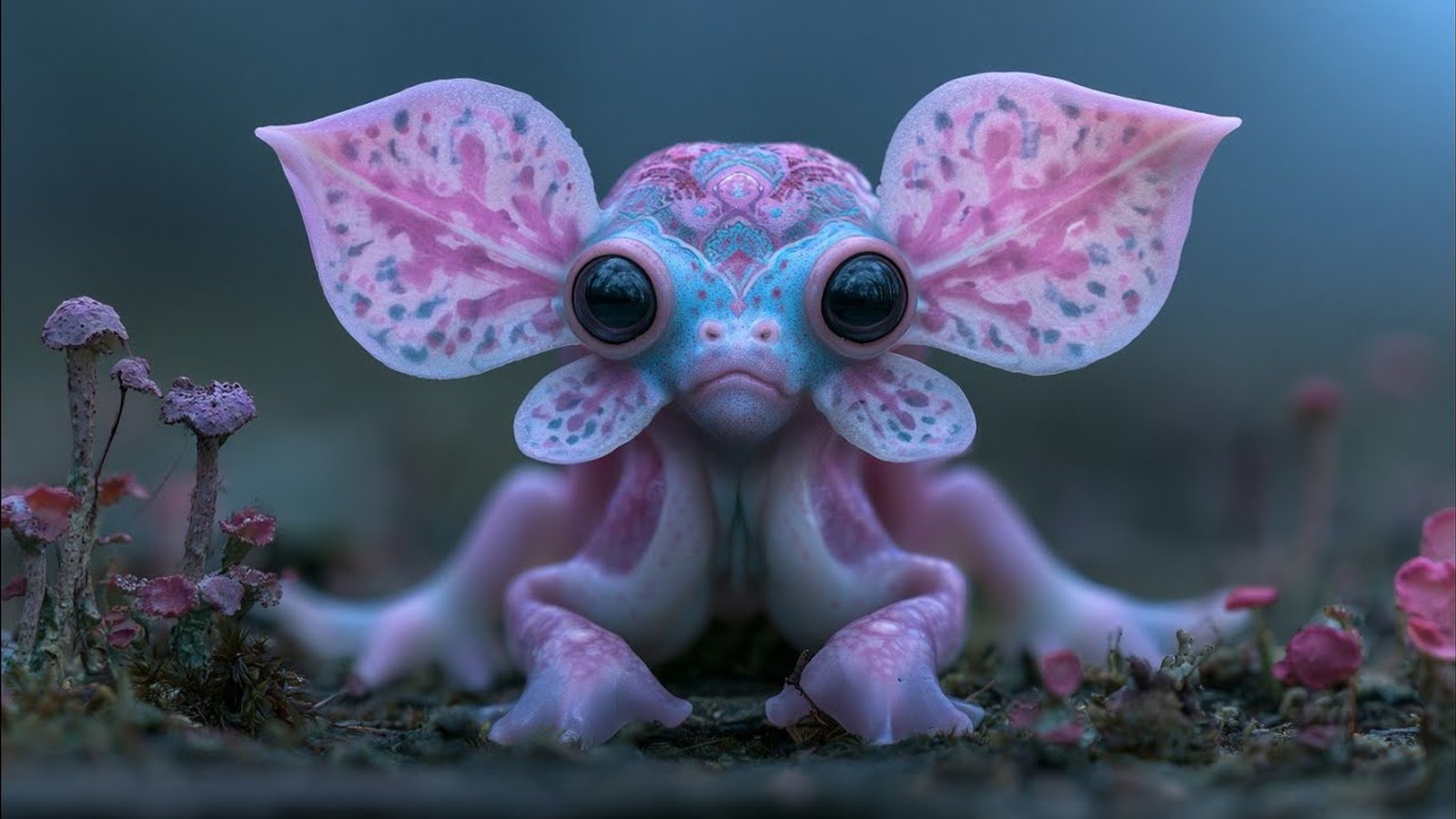
A musician who posts AI music videos as Aether Elf lost YouTube monetisation this week, and the appeal failed too. YouTube’s reason was “off-putting content”, the creator wrote on r/SunoAI on November 25, 2026.
That phrase isn’t a reviewer’s mood. “Unsatisfying or Off-putting Content” is a category in YouTube’s own channel monetization policies, one of 3 that YouTube spelled out in July 2026 under its inauthentic content rule, as Tubefilter reported at the time.
If you put Suno songs on YouTube and earn from them, that category is the one to read before your next upload. It never mentions AI. It covers content that “relies heavily on emotionally manipulative formulas, mimics existing formats or stories to a degree that the videos feel interchangeable, or appears designed to shock or surprise viewers for the sole purpose of getting views.”
Aether Elf, who said they’re new to YouTube and came over from Instagram and Facebook, wrote that the channel had been doing well. Their songs have 4.3 million streams, most of them on YouTube, according to the post. When I checked on November 27, the music videos “Way Down” and “E.T” had 159,389 and 138,972 views.
The appeal is the part that stings. Aether Elf made an appeal video showing their guitar songs before they go into AI, plus the work behind the videos. YouTube turned it down, again citing off-putting content, and the creator’s pending payout was cancelled, they wrote in the thread.
The policy itself has been around longer than the name. YouTube renamed its “repetitious content” policy to “inauthentic content” on July 15, 2025, saying the content “has always been ineligible for monetization”. In July 2026 it split that policy into 3 named parts: generic or repetitive content, unsatisfying or off-putting content, and AI that poses as a human expert giving advice on health, legal, financial or political topics. Tubefilter called the update “a communications fix” rather than new rules.
YouTube’s policy page also lists what’s allowed, and AI is on it. Its examples include “using AI to visualize a unique character and narrative you invented”, and it says that if you use automated tools or templates, “the final product must still demonstrate your creative vision and provide educational or entertainment value.”
The thread under Aether Elf’s post ran to more than 200 comments. The most upvoted reply guessed the channel had been “brigaded by anti ai people”, and the next one said YouTube was “using AI to judge other people’s AI”. Neither guess can be checked from the outside. Another commenter wrote that their own channel of Midjourney-made videos had a payout of 500 cancelled too, without saying in which currency.
I’ve said this about the word “slop”, and it applies to “off-putting” as well. If platforms are going to use a word like that, they should spell out what it means, so the spam gets cut and real artists don’t get caught in it. YouTube has written its definition down. Aether Elf’s appeal shows how hard it is to argue with: a video of the guitar demos behind the songs didn’t change the decision.
Aether Elf’s channel is still online without monetisation, and their latest update in the thread says the appeal was not accepted.
Frequently asked questions
What is 'unsatisfying or off-putting content' on YouTube?
It is one of the categories under YouTube's inauthentic content policy. YouTube defines it as content that relies heavily on emotionally manipulative formulas, mimics existing formats or stories so closely that videos feel interchangeable, or seems designed to shock or surprise viewers only to get views, and it can't be monetised.
Can you monetise AI-generated music videos on YouTube in 2026?
YouTube's channel monetization policies allow AI-made content when the final product shows the creator's own vision, and give 'using AI to visualize a unique character and narrative you invented' as an example of what can be monetised. Channels that look mass-produced, repetitive or interchangeable can lose monetisation under the inauthentic content policy.
About the author
Covering AI music tools, industry shifts, and news for music creators and professionals. Twice-weekly newsletter at aimusicpreneur.com.