Suno just faced a judge in Germany — 3 ways the June 12th verdict could impact your AI music workflow:
My stack My fav 6 tools for AI music after testing 70+
-
 ElevenMusic · Music generation
 -
 Moises · Stem separation
 -
 Controlla · Voice swap & cloning
 -
 Cryo Mix · Mixing + mastering
 -
 Neural Frames · Music videos
 -
 ONCE · Distribution
Some links are affiliate links — I earn a commission at no cost to you. Every tool here is one I run myself and truly believe in. This stack is proven.
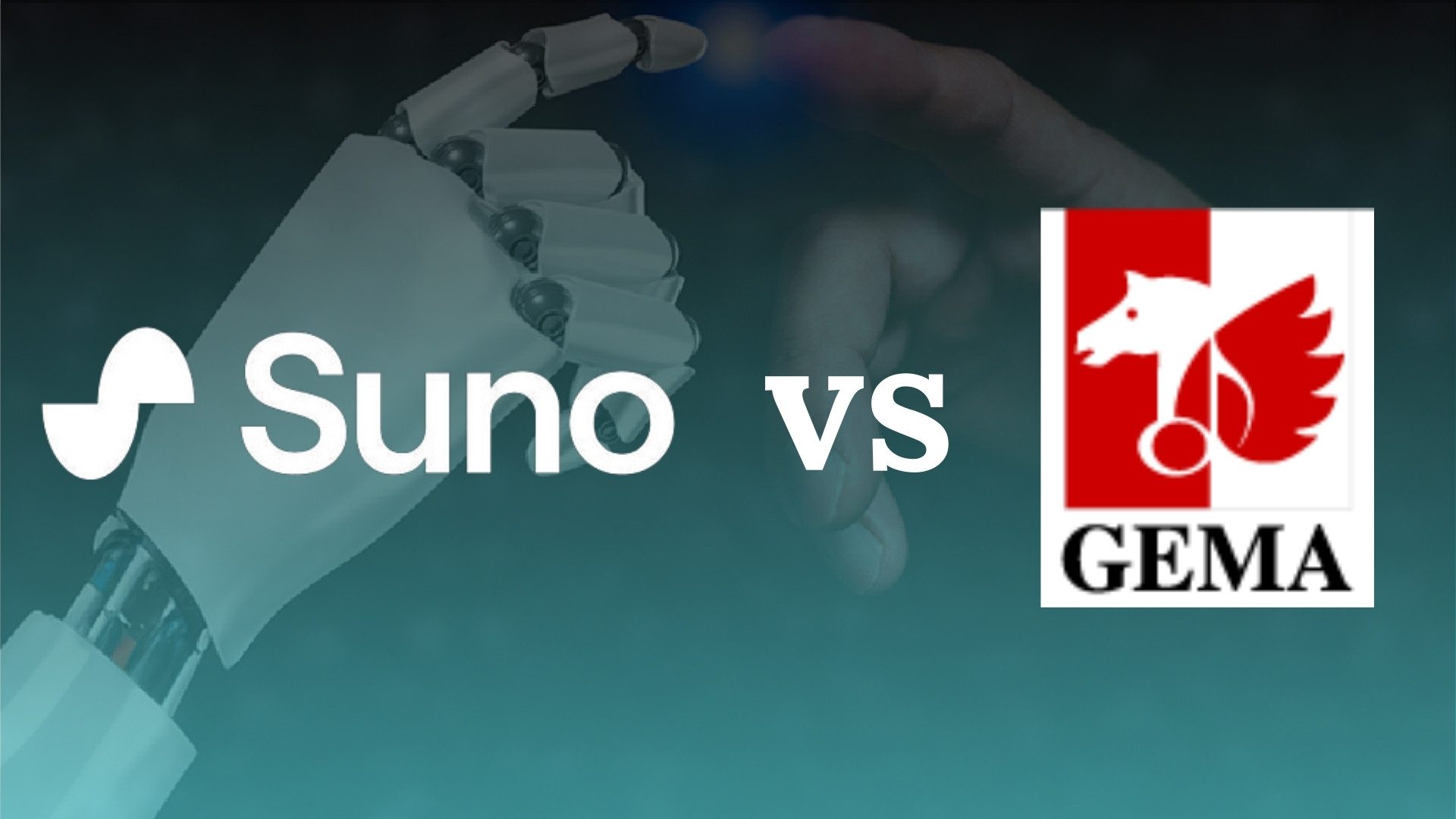
Oral proceedings wrapped up this week in GEMA’s copyright infringement action against Suno, with a ruling expected June 12th. This German case moves faster than US litigation and operates under stricter copyright laws. Here’s what the outcome means for your AI music tools.
Munich Court Heard Evidence of “Confusingly Similar” Outputs
GEMA initially covered that action in early 2025, accusing Suno of ingesting, storing, and reproducing protected works without authorization. The hearing took place in a packed courtroom at the Munich Regional Court.
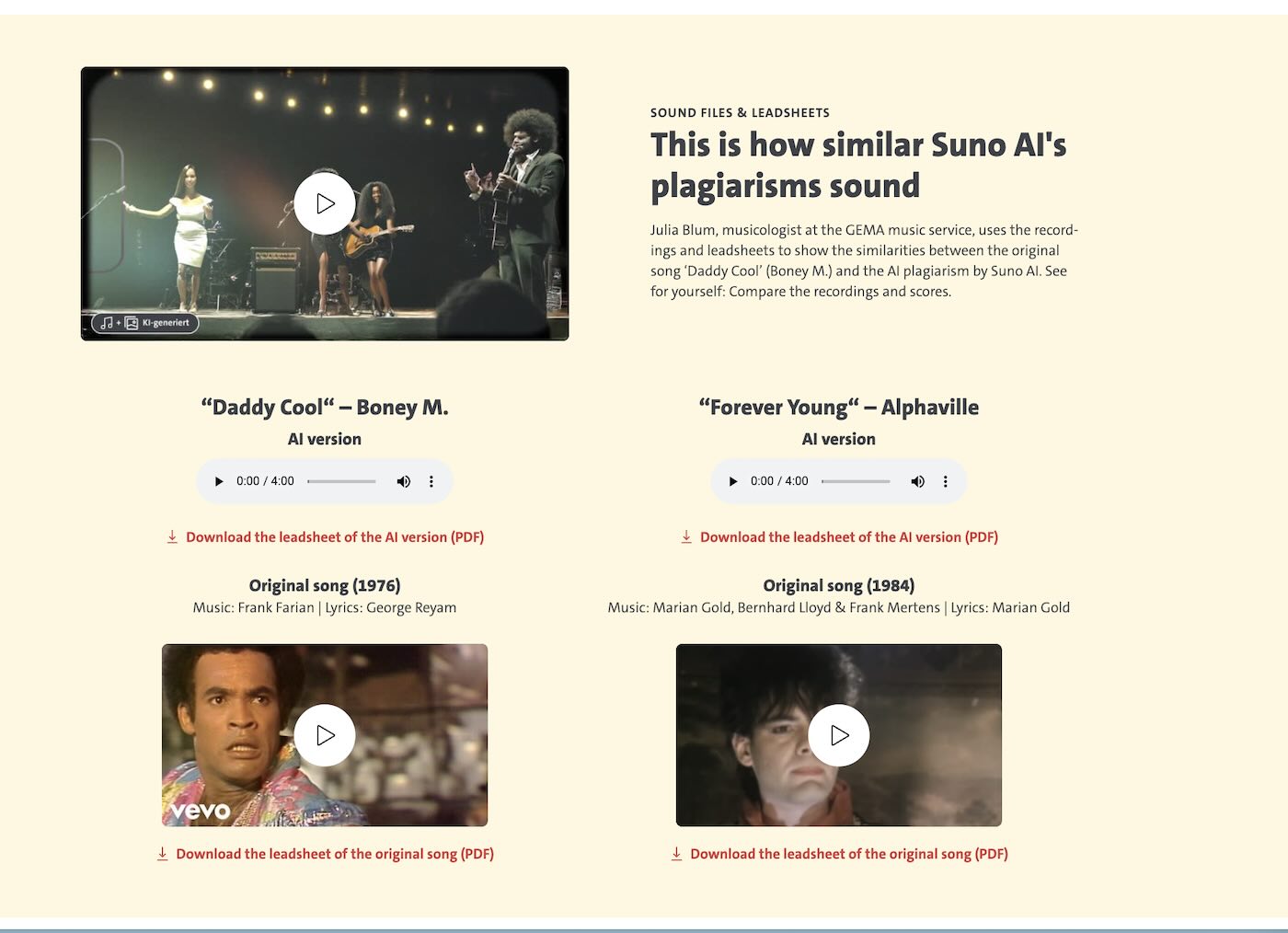
GEMA’s counsel presented side-by-side comparisons showing AI outputs that “closely match world-famous works” in melody, harmony, and rhythm. The court will deliver its decision in three months.
1. A Ruling Against Suno Forces Training Data Transparency
A GEMA win would confirm that AI platforms need authorization to train on copyrighted music. This follows the court’s November 2025 victory in an infringement suit levied against OpenAI.
For you, this means AI tools will face pressure to disclose their training sources. “”Legally clean”” platforms will become a selling point. Before using any AI music tool commercially, verify whether the company has licensing agreements with PROs.
2. GEMA’s Licensing Framework Creates New Subscription Costs
GEMA isn’t seeking to ban AI music tools. The society’s AI licensing framework and AI Charter aim to make training data a compensable usage, similar to mechanical royalties.
This licensing-agreement push will likely increase subscription fees for AI platforms. Budget for higher costs if you rely on these tools. The European Front of AI regulation adds transparency requirements that compound compliance expenses.
3. US Lawsuits Gain Leverage From German Precedent
The indie-led class action filed by Tony Justice has a dismissal hearing March 20th. Major label litigation continues through mid-August.
A German ruling confirming infringement strengthens negotiating positions in US cases. Rights holders move from debating “if” platforms pay to “how much.” Expect settlement pressure to accelerate across all pending AI music lawsuits.
Your PRO Registrations Determine Future Payouts
When licensing deals close, payouts will flow through existing market share data and registration records. If your works aren’t properly registered with ASCAP, GEMA, or PRS, you’ll be invisible to distribution algorithms.
The shift from “free training data” to licensed usage mirrors the Napster-to-Spotify transition. Review your Suno workflow now and ensure your catalog metadata is flawless before the June 12th ruling drops.”
About the author

Covering AI music tools, industry shifts, and news for music creators and professionals. Twice-weekly newsletter at aimusicpreneur.com.