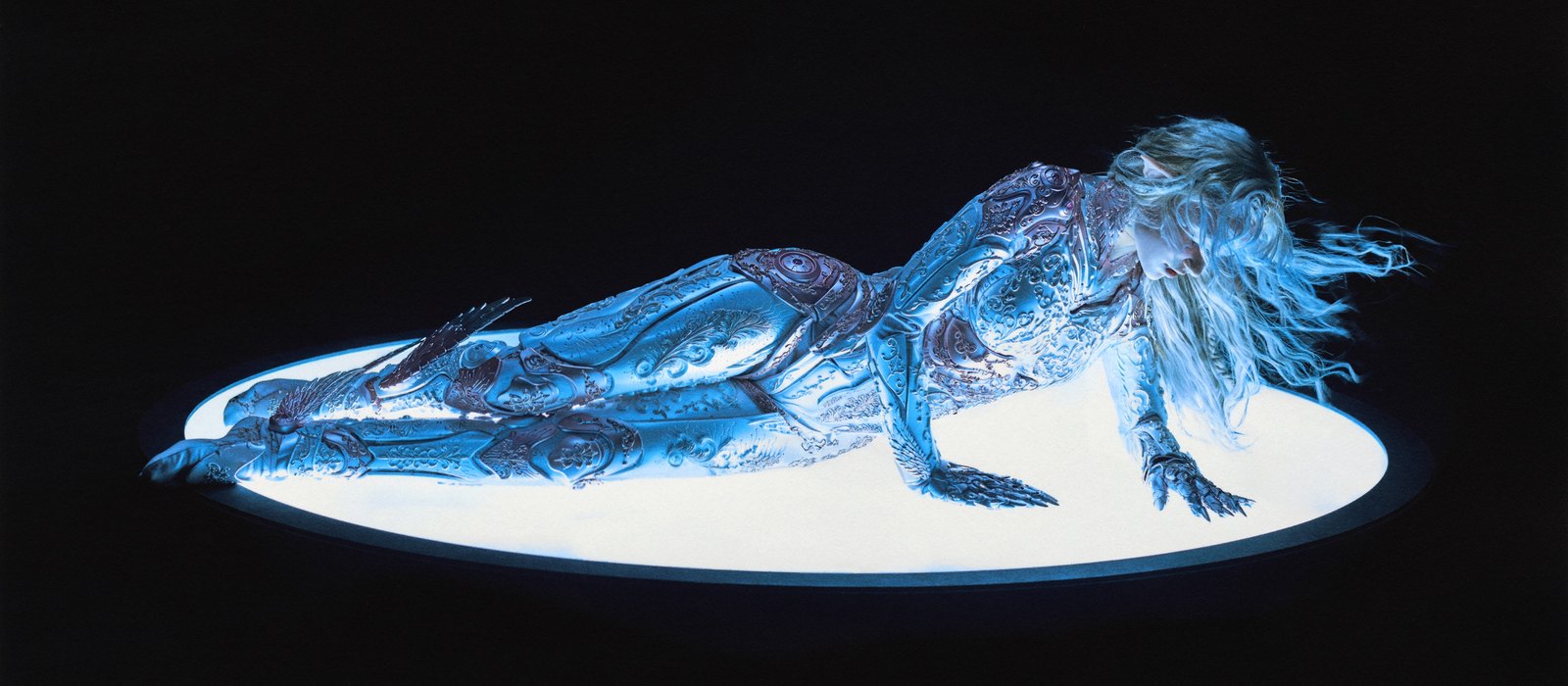
Parkinson's took his guitar playing, so AI helped Samuel Smith finish his album
My stack My fav 6 tools for AI music after testing 70+
-
 ElevenMusic · Music generation
 -
 Moises · Stem separation
 -
 Controlla · Voice swap & cloning
 -
 Cryo Mix · Mixing + mastering
 -
 Neural Frames · Music videos
 -
 ONCE · Distribution
Some links are affiliate links — I earn a commission at no cost to you. Every tool here is one I run myself and truly believe in. This stack is proven.

Samuel Smith spent more than a year making his album The Art of Letting Go. Partway through, Parkinson’s disease took the one thing he needed most: his guitar playing. So the 49-year-old London musician found another route. He hummed melodies into his phone, fed the recordings into AI song generators like Suno and Udio, and used the results as demos to show his session players what he heard in his head.
The story he told the Associated Press is a rare one in the AI music debate. Most of that debate is about scraped catalogs, fake artists, and lawsuits. This is about a working musician using the same tools to keep doing the job his body was taking away.
Parkinson’s took the playing, not the writing
Smith worked on the album for more than a year. Over that time, tremors, stiffness and fatigue, common symptoms of Parkinson’s, wore down his guitar skills until the instrument stopped cooperating.
That left him with a choice. “So then I’m faced with a question,” Smith said. “‘Don’t play, don’t be creative, or find a way out, find a route.’ And for me, this was the route.”
AI is not replacing anything for me. It's unlocking, it's enabling. It's allowing me to keep writing.
From a hummed melody to a demo
The workflow is simple to describe and hard to pull off. Smith hums a song idea into his phone, uploads the recording, then writes prompts describing the instrumentation, mood and style he wants. The app generates a version. Then another. He said producing a convincing demo often took “50, 100, 150 attempts” plus heavy editing “to get something that sounds close to my music.”
The demos were never meant for the final record. They were a way to communicate. “I upload my lyrics; AI doesn’t create my lyrics. I upload my music; AI does not create my music,” he said. “It then brings it to life in a way that I can play to session players and say, ‘Here, that’s what I’m thinking, that is what I’m hearing.’” If you have only seen these tools used to spin up finished tracks from a text box, this is a different use entirely: a sketchpad, not a printing press.
Smith is not the first to find this door. After a 2013 stroke left country singer Randy Travis unable to sing, his team used AI to rebuild his voice for the 2024 single “Where That Came From.” Different tool, same idea: technology stepping in where the body no longer can.
He captured the last of his guitar
The album was produced by Grammy-winning pianist Matt Rollings, who pulled together a band of roots and bluegrass heavyweights, including 16-time Grammy-winning dobro player Jerry Douglas, banjo player Alison Brown, fiddler Stuart Duncan, guitarist Bryan Sutton, bassist Viktor Krauss, and singers Jonatha Brooke and Glen Phillips. Grammy-nominated guitarist Julian Lage played on the title track and on “Horizon.”
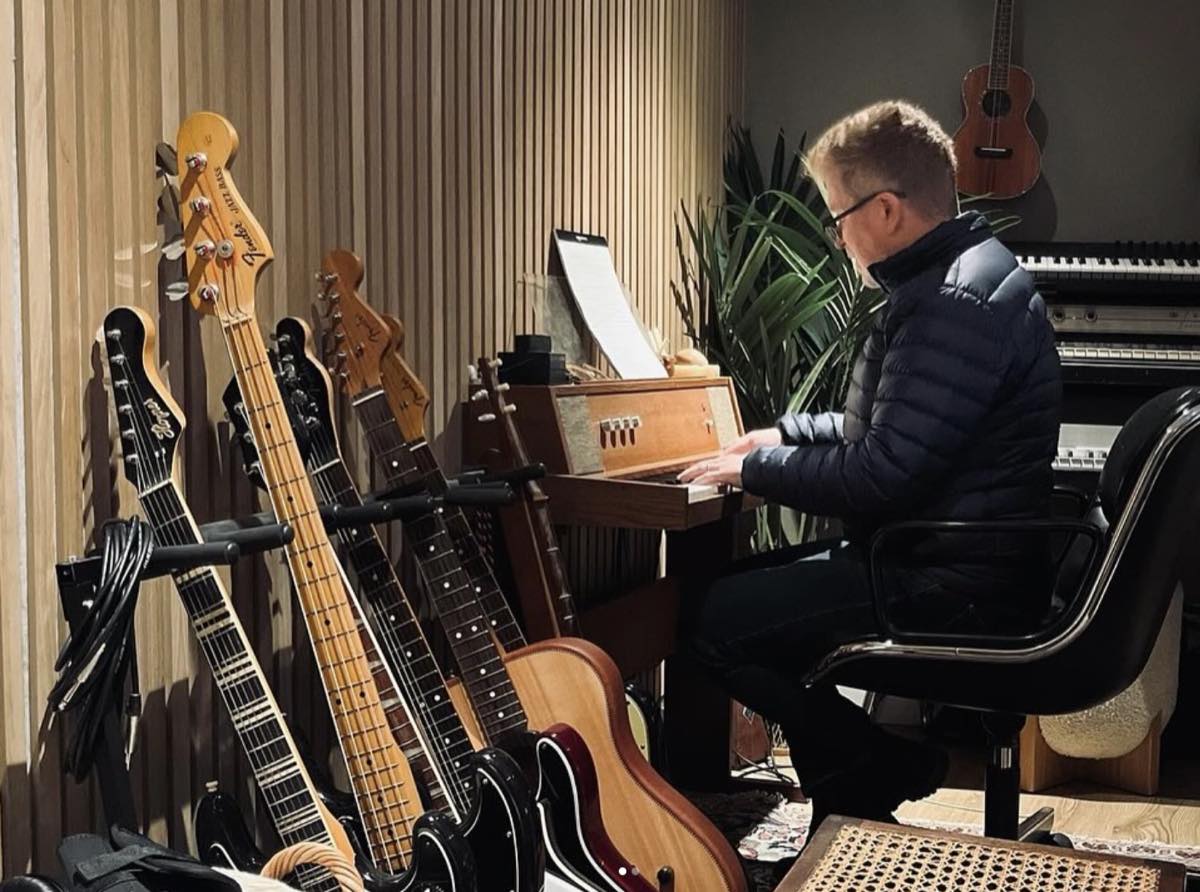
That second track became the emotional peak. Smith, who had barely been able to play for months, managed a guitar duet with Lage. “I kept telling myself that if I wrote something to take to the studio, perhaps the clouds would part for a few minutes,” Smith said. “That’s what happened. I had a window of about 10 minutes in the studio when my arm freed up. So in the end, I was able to capture the last breath of my guitar playing.”
The same generators are fighting in court
The tools Smith leaned on are the same ones the industry is suing. Suno and Udio have denied copyright infringement and say they want to work with the music business, not against it, but the cases are stacking up. Sony Music’s claim against Udio centers on tens of thousands of recordings allegedly used in training.
Experts say the access these tools open up is real, with caveats. Ruaidhri Mannion, a composer and producer who teaches at Brunel University of London, compared them to affordable recording software that already lowered the barrier to making music. His worry is dependence. “What makes a lot of music-making meaningful is the collaborative element,” Mannion said. “There’s a lot of experimentation and development and failure that’s part of musical discovery.” Smith kept that part. Other working artists have landed in a similar place, treating the tools as instruments rather than threats, like producer Junkie XL.
He sang again at Berklee
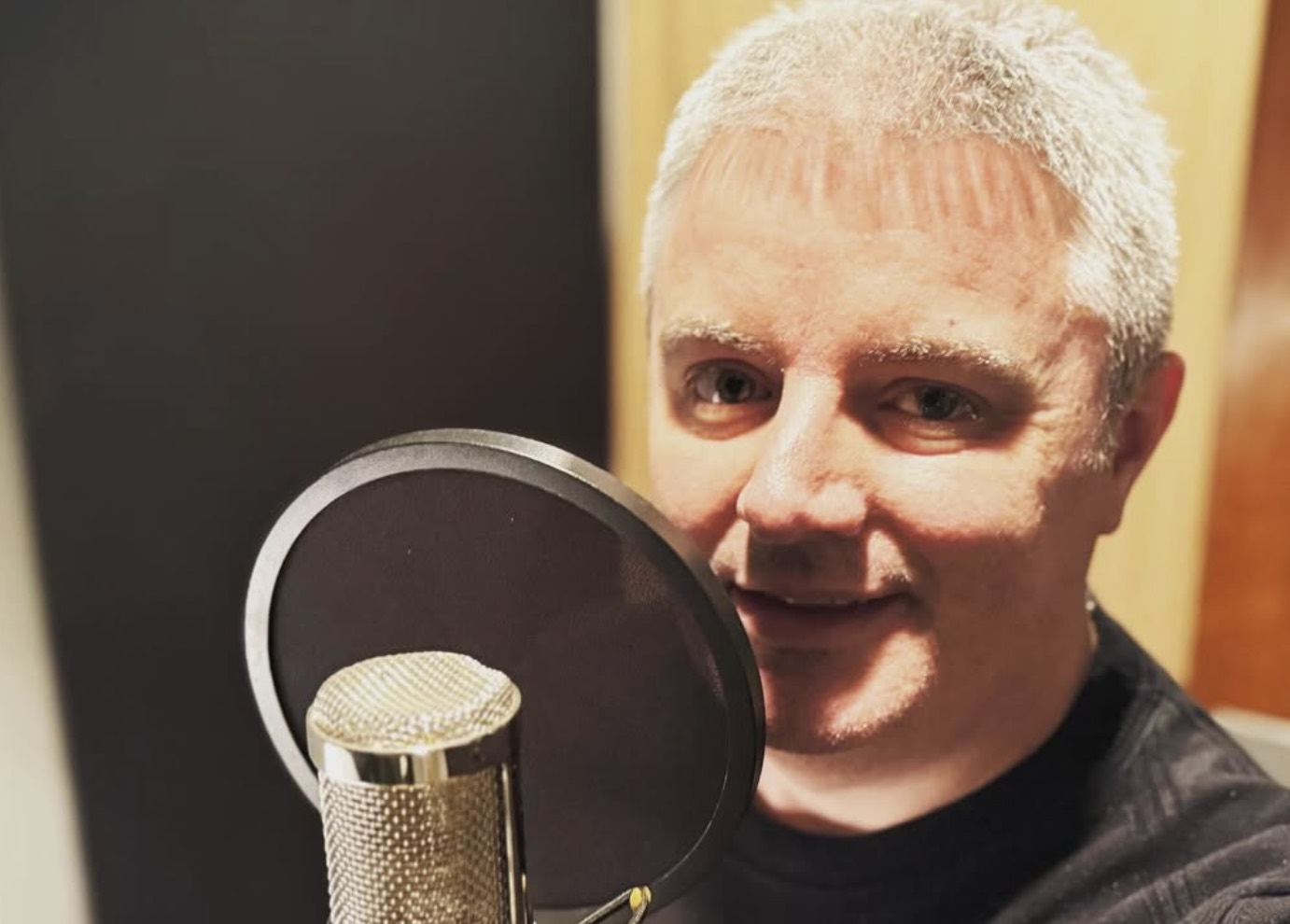
On May 21, Smith performed an invite-only show at the Power Station at Berklee NYC, organized with the Berklee Music and Health Institute, an event that brought together industry figures, researchers and clinicians to look at how music supports people with neurological conditions. He told his story and sang again alongside players from the album, backed by Matt Rollings, Julian Lage, Alison Brown, Margaret Glaspy and Hannah Rowan West.
View Samuel Smith’s Berklee performance on Instagram
His message to the AI companies was direct. “If these companies want to show they’ve got a place, a role in society, then step up,” Smith said. “Engage with health professionals, engage with music therapists, engage with society and show us what you can do.”
For Smith, the record is also about his children, ages 4 and 17. “My 4-year-old is probably never going to remember me playing, and it’s heartbreaking,” he said. “But I’ve been able to pull this into something and refuse to be defined by this disease.”
Frequently asked questions
Who is Samuel Smith and what is the album "The Art of Letting Go"?
Samuel Smith is a 49-year-old London-based musician living with Parkinson's disease. "The Art of Letting Go" is his new album, produced by Grammy-winning pianist Matt Rollings and recorded in Nashville with established roots and bluegrass players.
Which AI tools did Samuel Smith use to make his album?
Smith used AI song generators including Suno and Udio. He hummed rough melodies into his phone, uploaded the recordings, and prompted the apps for instrumentation, mood and style to build demos he could play to his session musicians.
Did AI write Samuel Smith's music or lyrics?
No. Smith wrote all of his own lyrics and music. The AI generators only produced demo versions of his ideas, which he used as reference tracks. The final album was recorded by human session players in a studio.
Does Samuel Smith still play guitar on the album?
Yes. Despite his symptoms, Smith had a roughly 10-minute window in the Nashville studio when his arm freed up, and he played a guitar duet with Julian Lage on the track "Horizon." He has described it as capturing the last breath of his guitar playing.
About the author
Covering AI music tools, industry shifts, and news for music creators and professionals. Twice-weekly newsletter at aimusicpreneur.com.