Lucian Grainge draws UMG's AI line: opt-in, human artists, no 'AI slop'
My stack My fav 6 tools for AI music after testing 70+
-
 ElevenMusic · Music generation
 -
 Moises · Stem separation
 -
 Controlla · Voice swap & cloning
 -
 Cryo Mix · Mixing + mastering
 -
 Neural Frames · Music videos
 -
 ONCE · Distribution
Some links are affiliate links — I earn a commission at no cost to you. Every tool here is one I run myself and truly believe in. This stack is proven.
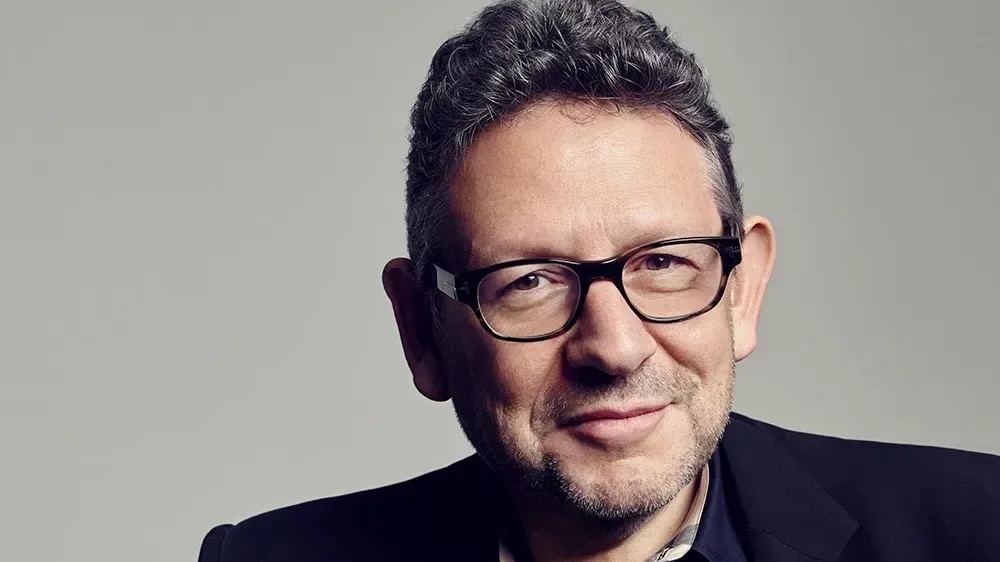
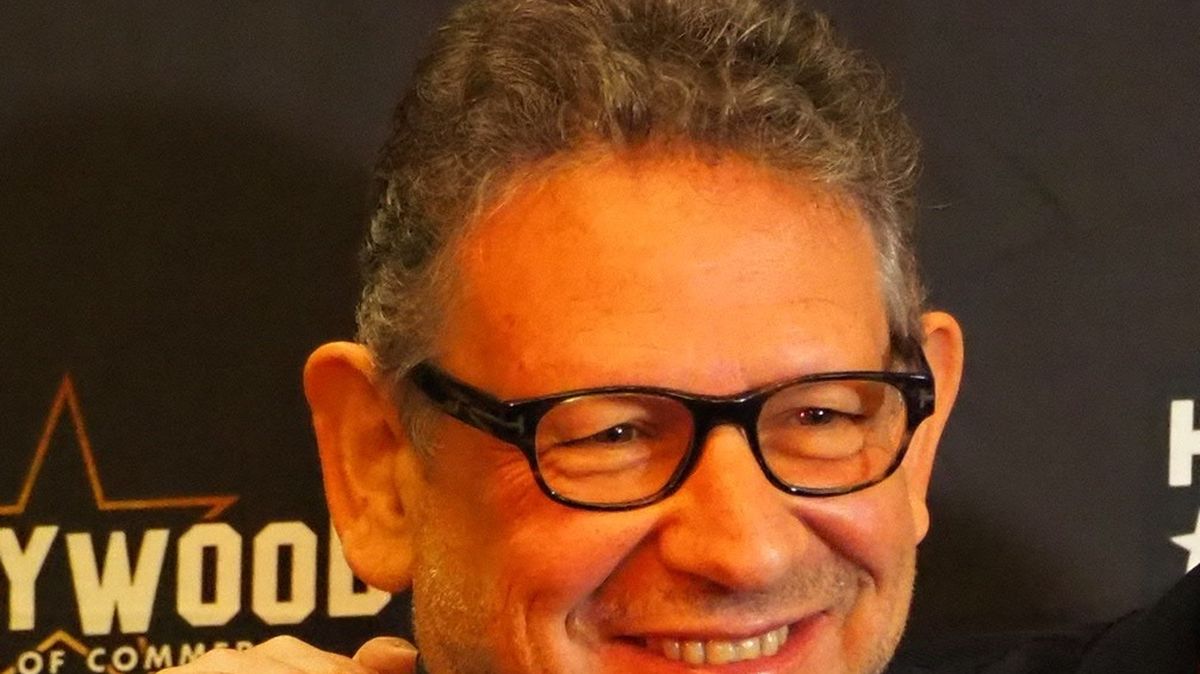
Universal Music Group CEO Lucian Grainge called artist opt-in protections for AI “critical” on May 21, 2026, closing Britain’s GREATER Together trade mission in Los Angeles. He spoke in conversation with Ankler Media’s Janice Min, hours after UMG signed a deal that lets fans make AI covers and remixes of songs from participating artists.
His message was narrow and firm. “Name and likeness, voice are all opt in,” Grainge said of the deal. “They’re critical.”
Opt-in is the whole pitch
Grainge framed consent as the line UMG will not cross. The Spotify covers and remixes tool will launch as a paid add-on for Premium subscribers, with participating artists sharing the revenue. The agreements cover both recorded music and publishing.
He tied it to a longer view of platform deals, going back to meeting Spotify’s Daniel Ek in 2006. “We make deals that are win win,” he said. “And the people who you can’t make deals with are never going to respect the business, or the creativity, or the investment.” He named no one, but UMG still has no deal with Suno, the AI generator UMG and Sony are fighting in court.
Then he drew a second line. Grainge brushed off AI “functional music,” the ambient and utility tracks UMG has elsewhere called “AI slop”. “People talk to me about, you know, what is AI slop, what is spa music? It’s functional stuff,” he said.
I'm not in the functional music industry.
He cast AI as a tool for human artists, not a stand-in for them. “We care deeply about investing in human beings and their ideas,” he said, “their rhythms and their melodies. And AI will be a tool to help them.”
What it means for independent artists
The opt-in principle is the right one. The catch is who controls the switch. UMG can opt its roster in or out of a Spotify deal because UMG holds the rights and sits at the table. An independent artist whose voice gets cloned has no major label negotiating that protection on their behalf.
UMG’s recent TikTok takedown deal shows the same pattern: firm protection for catalog the majors control, thinner cover for everyone else. If you release on your own, opt-in is a principle you still have to enforce yourself.
Frequently asked questions
What did Lucian Grainge say about AI at Britain's GREATER Together LA summit?
Grainge called artist opt-in protections for name, likeness, and voice 'critical' and publicly endorsed UMG's new licensing deal with Spotify. He framed consent as the principle that separates UMG's approach from unlicensed AI music, and said AI should be a tool that supports human artists rather than replace them.
What is Universal Music Group's position on AI 'functional music'?
Grainge dismissed AI-generated 'functional music,' the ambient and utility tracks UMG has elsewhere labelled 'AI slop.' He said 'I'm not in the functional music industry' and that UMG invests in human artists, their melodies, and their ideas, with AI used only as a creative tool.
Does Universal Music Group have a licensing deal with Suno?
No. UMG has no deal with Suno and is suing the AI music generator alongside Sony Music over alleged training on copyrighted recordings. Grainge said that 'the people who you can't make deals with are never going to respect the business,' without naming Suno directly.
About the author

Covering AI music tools, industry shifts, and news for music creators and professionals. Twice-weekly newsletter at aimusicpreneur.com.