Spotify co-CEO defends AI remix deal as the 'controlled' alternative to slop
My stack My fav 6 tools for AI music after testing 70+
-
 ElevenMusic · Music generation
 -
 Moises · Stem separation
 -
 Controlla · Voice swap & cloning
 -
 Cryo Mix · Mixing + mastering
 -
 Neural Frames · Music videos
 -
 ONCE · Distribution
Some links are affiliate links — I earn a commission at no cost to you. Every tool here is one I run myself and truly believe in. This stack is proven.
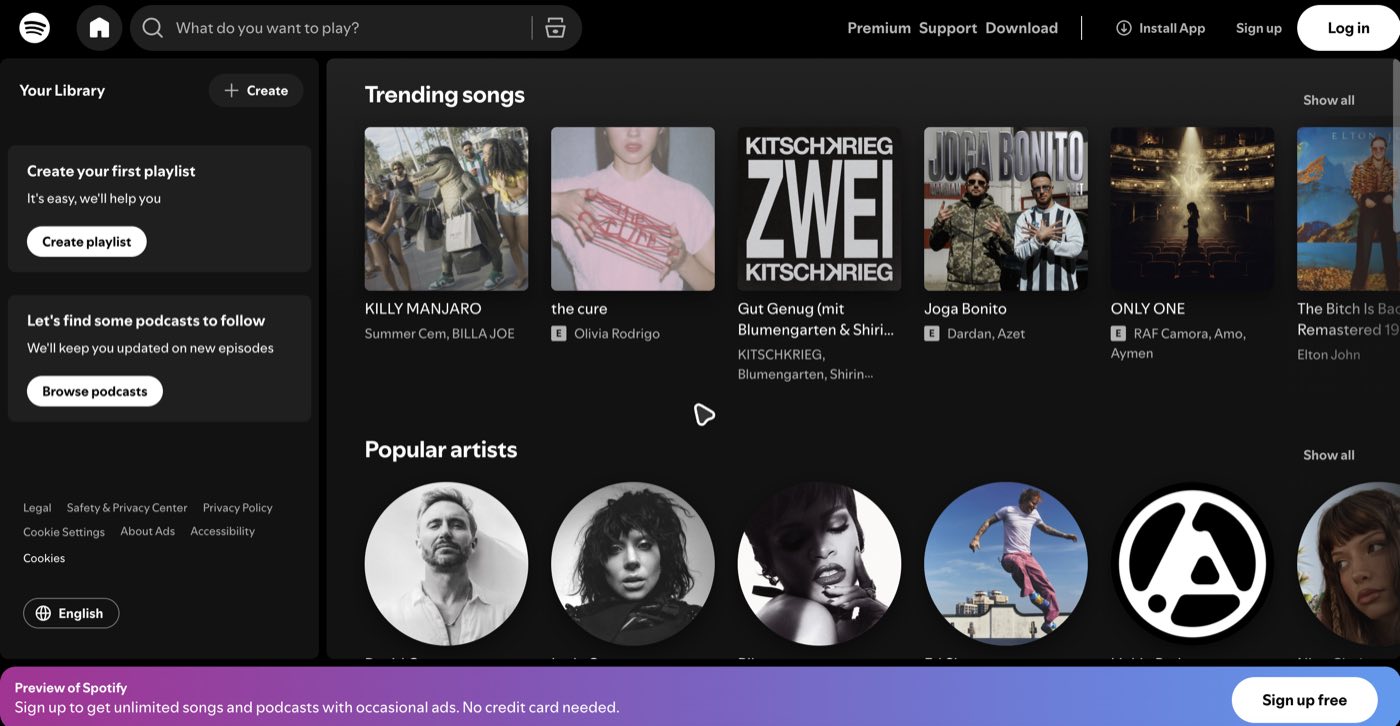
Spotify co-CEO Alex Norström defended the company’s expansion into AI-generated music on May 26, 2026, calling the new Universal Music Group deal a “controlled” alternative to the AI “slop” already flooding the open web. The product, announced at Spotify Investor Day five days earlier, will let Premium subscribers generate AI covers and remixes of licensed tracks from participating artists for an extra fee.
Wall Street liked the pitch. Working artists are still waiting on the fine print.
The pitch is controlled slop versus open slop
Norström’s framing is direct. “There’s a lot of rogue attempts at this,” he told the Irish Times, positioning Spotify as “the one that’s legal” and “the one that’s controlled.” He pitched the feature as a way for “one song to become 10,000,” with consenting artists unlocking a new revenue stream and rightsholders staying inside the licensing perimeter. Spotify is the first major streaming service to launch a commercial AI music product with major-label backing. UMG, which has separately licensed its catalog to Udio, Klay Vision, and Stability AI, supplies the rights layer.
Scale begets scale here. Winners win more.
What Spotify did not answer. The deal sent the stock up, but the product spec is still a black box. There is no v1 launch date, no published price, no participating-artist roster, and no clarity on how generations are credited or paid out. Norström leaned on Spotify’s Verified by Spotify badge and the company’s recommendation system as the safeguards that distinguish its approach. He also acknowledged the backlash. “There’s a lot of AI slop out there,” he said. “Fraud and abuse, we’ve been fighting forever.” Spotify’s own AI music policy has been a moving target for two years.
What it means for artists and labels
If you record under your own name and your distributor sits under a UMG family agreement, the feature is a new line item to track, not a hypothetical. Read the fine print on consent and revenue splits the moment Spotify publishes them. If you sit outside UMG, the more interesting signal is the precedent. A label-backed walled-garden AI tool changes the bargaining ceiling for every label-platform negotiation that follows, and the comparison points are no longer Suno or Udio. The comparison is now what UMG accepted on rates inside this deal. The Deezer 60,000-tracks-a-day signal sets the volume context for how much of this is already in the pipe.
Frequently asked questions
What did Spotify co-CEO Alex Norström say about Spotify's AI remix deal?
Alex Norström defended Spotify's expansion into AI-generated remixes as a 'controlled' product, arguing it gives users a legal alternative to unregulated AI 'slop' already on the open web. He framed Spotify's licensing agreements, recommendation system, and Verified by Spotify badge as the safeguards that set the company's approach apart.
When does Spotify's AI remix feature with Universal Music Group launch?
Spotify has not announced a launch date for v1. The deal with Universal Music Group was announced at Spotify Investor Day on May 21, 2026, but product specifics, pricing, and the participating artist roster have not been disclosed.
How will Spotify's AI remix feature make money for artists?
Norström described the feature as a paid add-on for Premium subscribers that lets fans generate AI covers and remixes of licensed tracks. Artists who consent to have their work used unlock a new revenue stream, with Norström framing it as a 'win-win situation' for Spotify, artists, and rightsholders.
About the author

Covering AI music tools, industry shifts, and news for music creators and professionals. Twice-weekly newsletter at aimusicpreneur.com.