Kanye West used Audimee to clone his voice for BULLY, then said the album has no AI
My stack My fav 6 tools for AI music after testing 70+
-
 ElevenMusic · Music generation
 -
 Moises · Stem separation
 -
 Controlla · Voice swap & cloning
 -
 Cryo Mix · Mixing + mastering
 -
 Neural Frames · Music videos
 -
 ONCE · Distribution
Some links are affiliate links — I earn a commission at no cost to you. Every tool here is one I run myself and truly believe in. This stack is proven.
Key highlights
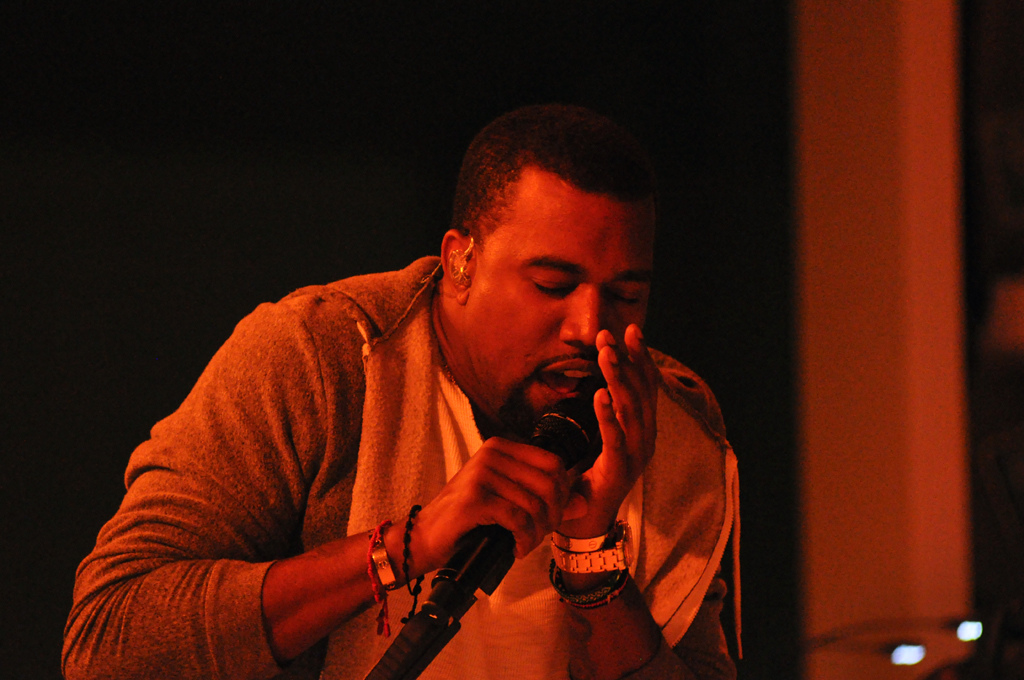
- In February 2025, Kanye demoed Audimee live on The Download podcast, cloning his voice from Lil RT’s track, and called AI stem separation “the next version of sampling.”
- On March 25, 2026, he posted “BULLY ON THE WAY NO AI” on X alongside the tracklist, two days before the streaming release.
- A vinyl rip leaked the same day still carrying AI vocals on “Preacher Man,” a version pressed before his denial.
The demo was public, specific, and on a named tool
In February 2025, Kanye sat down with Justin Laboy on The Download podcast and demonstrated AI voice cloning live. He ran Lil RT’s debut single “60 Miles” through Audimee, a vocal transformation platform, and morphed it into his own voice. He didn’t tell Lil RT’s mother her son’s vocals would be used until after the fact.
He called the technology “the next version of sampling,” comparing resistance to AI with early pushback against sampling and Auto-Tune: people had “a more visceral reaction” to AI, but the technologies were in the “same family.”
His team denied AI in January 2026, then he denied it himself
The reversal didn’t start with that X post. In January 2026, Kanye’s music manager Peter Jideonwo had already stated on X: “(There) is no AI on Bully.” The Yeezy support team confirmed it via email, and The Source reported the denial on January 6, 2026.
On March 25, a vinyl rip circulated online. Fans flagged “Preacher Man” as still carrying AI vocals from an earlier version of the album. Vinyl is pressed weeks before release, so the physical copy predates the denial. Kanye affiliate Joseph Karre responded on X: “Timeline gonna look a lot different on Friday,” suggesting the streaming version would differ from the vinyl.
Earlier versions documented AI across nine artists’ reference tracks
The takeaway: No independent mechanism exists to verify whether the final streaming version contains AI or not.
Previous versions of BULLY used AI voice filters and stem separation tools layered over reference tracks from nine artists: Bella Blaq, Don Toliver, Quentin Miller, Raury, Stevie Wonder, Ty Dolla $ign, Tish Hyman, the band Can, and Young Moose. Those versions demonstrably contained AI.
Apple Music’s AI transparency tags are self-reported and opt-in. As Music Business Worldwide reported, if a distributor omits the tag, no AI is assumed by default. Absence of disclosure isn’t certification.
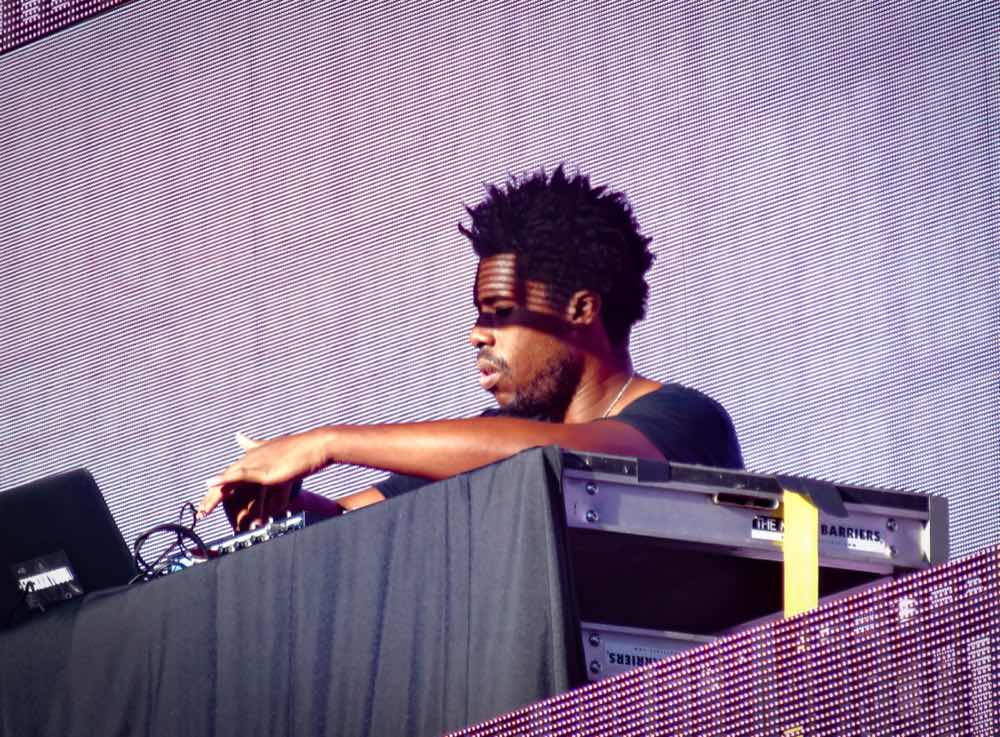
Flying Lotus’s AI reversal followed the same pattern: public endorsement of AI, then swift deletion after fan backlash. Netflix disclosed AI reconstruction of Hillel Slovak’s voice with full family consent and still faced pushback. Disclosure, consent, and verification are three separate problems the industry keeps treating as one. Billboard’s AI voice cloning legal analysis shows no enforceable standard covers what Kanye demonstrated on that podcast: using another artist’s vocals as input for an AI model without prior consent.
Certification is the gap no standards body has filled
Splice’s acquisition of Kits AI was framed explicitly around “ethical voice cloning,” with consent and licensing as the differentiator. That’s a commercial response to a credibility problem the industry hasn’t solved institutionally.
The closest active attempt at a solution is BRX Provenance, a blockchain-based forensic transparency protocol launched in March 2026. It audits composition, performance, and post-production separately and certifies the degree of human versus AI involvement. It isn’t an industry mandate. It’s one producer’s protocol built to fill the gap.
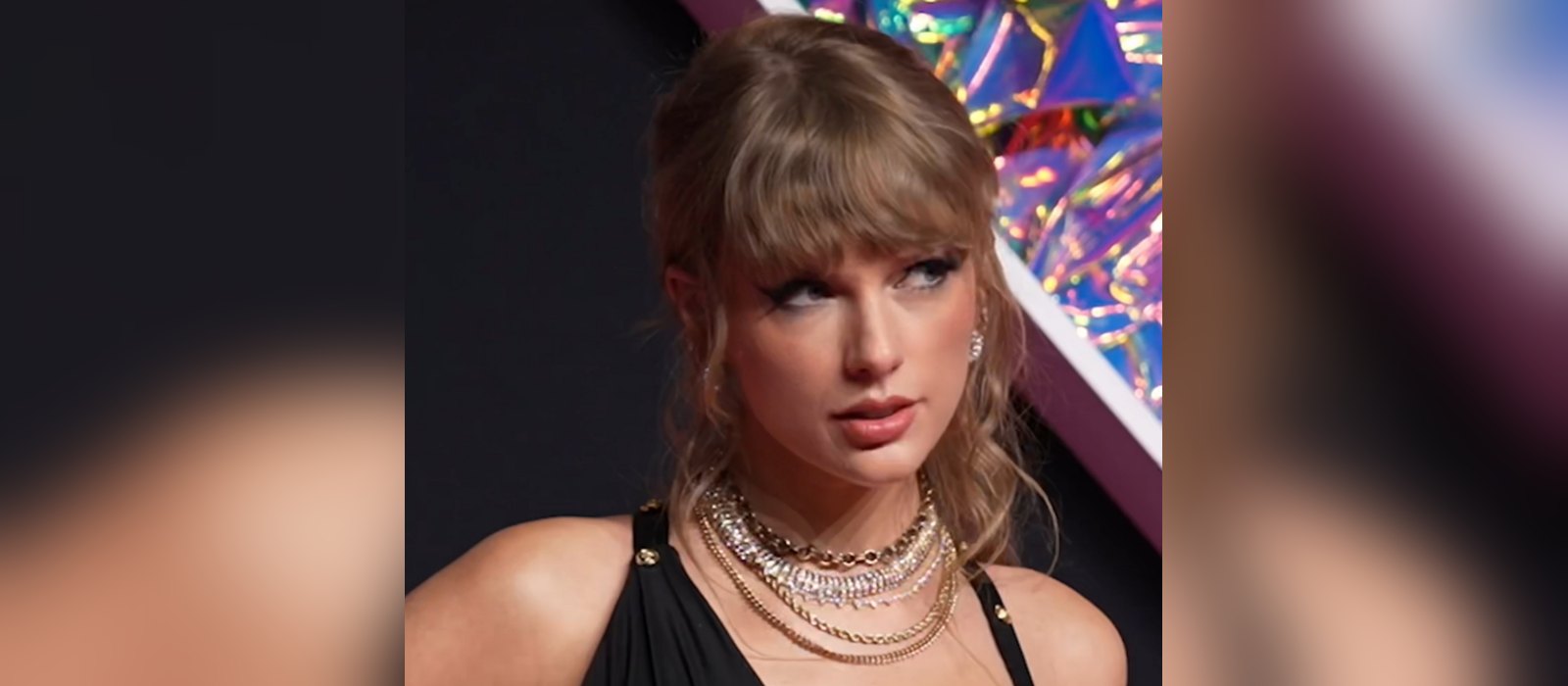
The Taylor Swift AI disclosure gap on YouTube showed what technically compliant but unverified disclosure looks like in practice. Until third-party verification exists, “no AI” on any release is self-reported by default.
Frequently asked questions
Did Kanye West use AI to make BULLY?
In February 2025, Kanye publicly demoed Audimee , an AI voice cloning tool, and confirmed it would feature in BULLY. His team denied this in January 2026, and he echoed the denial on March 25. The vinyl version carries apparent AI vocals on “Preacher Man,” but the streaming release hasn’t been independently verified.
What is Audimee and how did Kanye use it?
Audimee is a vocal transformation and voice cloning platform. In February 2025, Kanye ran Lil RT’s debut single “60 Miles” through it live on a podcast, morphing the vocals into his own voice without prior consent from Lil RT’s family. Audimee documented the moment on their own blog.
Why can’t you verify whether an album has AI?
No industry-wide certification standard exists for AI content in music. Apple Music’s transparency tags are self-reported and opt-in, and platforms treat an absent tag as confirmation of no AI rather than a verified status.
What is BRX Provenance?
BRX Provenance is a blockchain-based protocol that certifies the degree of human versus AI involvement across composition, performance, and post-production. It launched in March 2026 and is currently the only active attempt to build technical AI content certification for music.
About the author

Covering AI music tools, industry shifts, and news for music creators and professionals. Twice-weekly newsletter at aimusicpreneur.com.