Female-presenting artists lead AI music charts in Q1 2026, SIQA data shows
My stack My fav 6 tools for AI music after testing 70+
-
 ElevenMusic · Music generation
 -
 Moises · Stem separation
 -
 Controlla · Voice swap & cloning
 -
 Cryo Mix · Mixing + mastering
 -
 Neural Frames · Music videos
 -
 ONCE · Distribution
Some links are affiliate links — I earn a commission at no cost to you. Every tool here is one I run myself and truly believe in. This stack is proven.
Key highlights
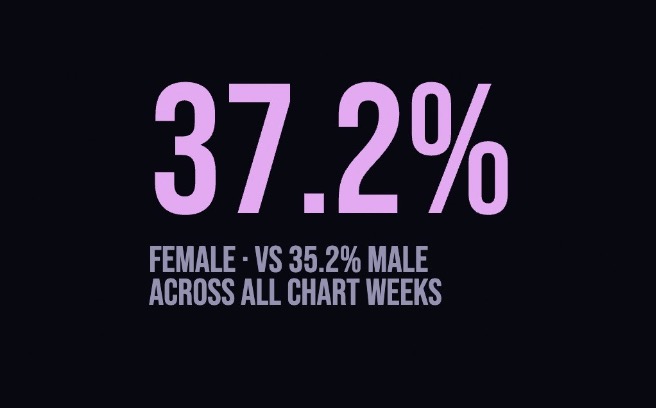
- Female-presenting artists held 37.2% of all SIQA chart positions in Q1 2026, rising from 2 Top 10 slots in Week 2 to 7 in Week 9.
- Xania Monet became the first AI music artist to chart on a mainstream Billboard airplay chart, debuting at No. 30 on Adult R&B Airplay.
- On traditional charts like the Billboard Hot 100, female artists have averaged 20–30% of positions for over a decade.
AI music charts are flipping the gender ratio
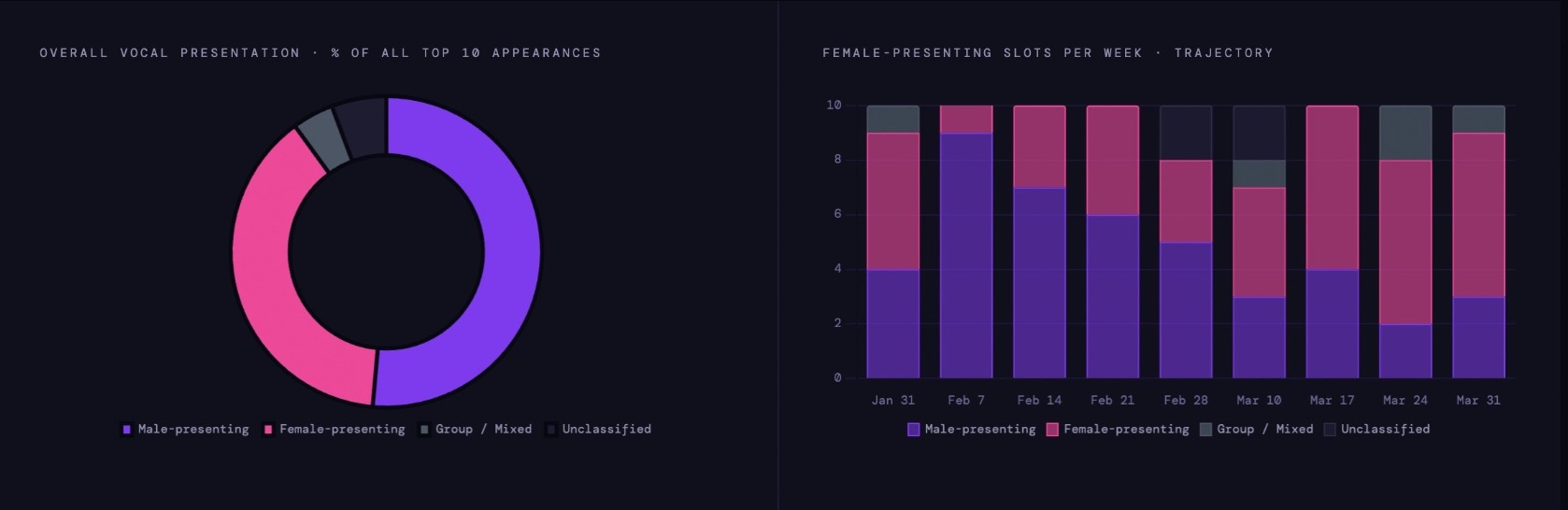
On mainstream charts, female artists have fought for roughly 20–30% of positions for years. On the SIQA AI music charts, the Q1 2026 data landed at 37.2%. By Week 9 (March 31, 2026), female-presenting artists held 7 of the Top 10 slots. SIQA called it “unprecedented in traditional chart data.” And when Xania Monet debuted at No. 30 on Billboard’s Adult R&B Airplay chart without a label, without a promo budget, and without radio infrastructure, the data point got harder to ignore.
What SIQA’s Q1 2026 report showed
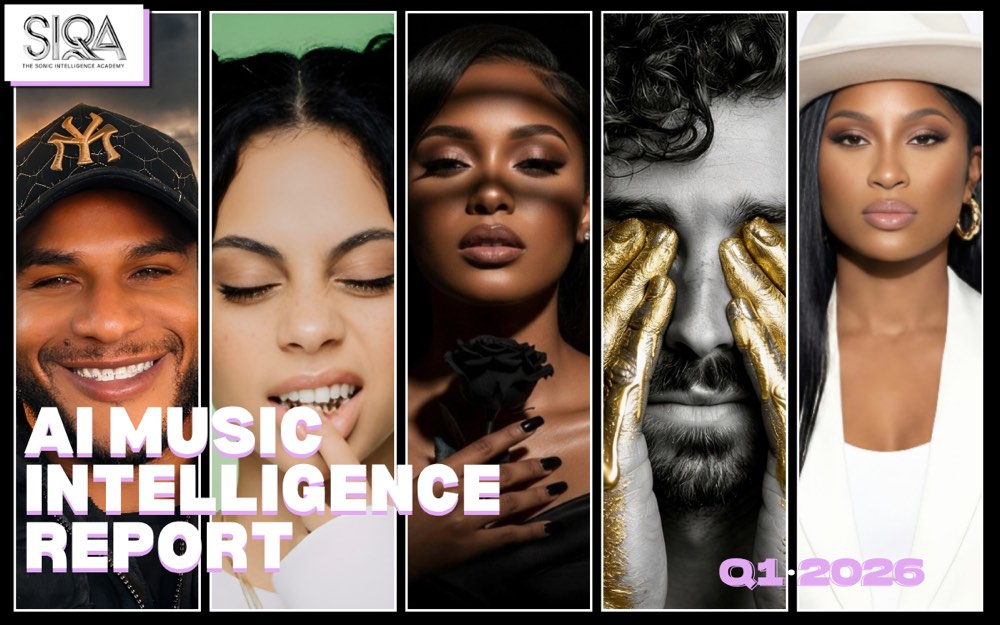
The SIQA Q1 2026 AI Music Intelligence Report analyzed 1,551 tracks from 828 artists across 57 countries. Female-presenting artists held 37.2% of all chart positions across the 13 weeks, compared with 35.2% for male-presenting artists. The trend accelerated: Week 2 had 2 female-presenting artists in the Top 10; Week 9 had 7. Five of the 9 artists who charted every single week in Q1 are female-presenting.
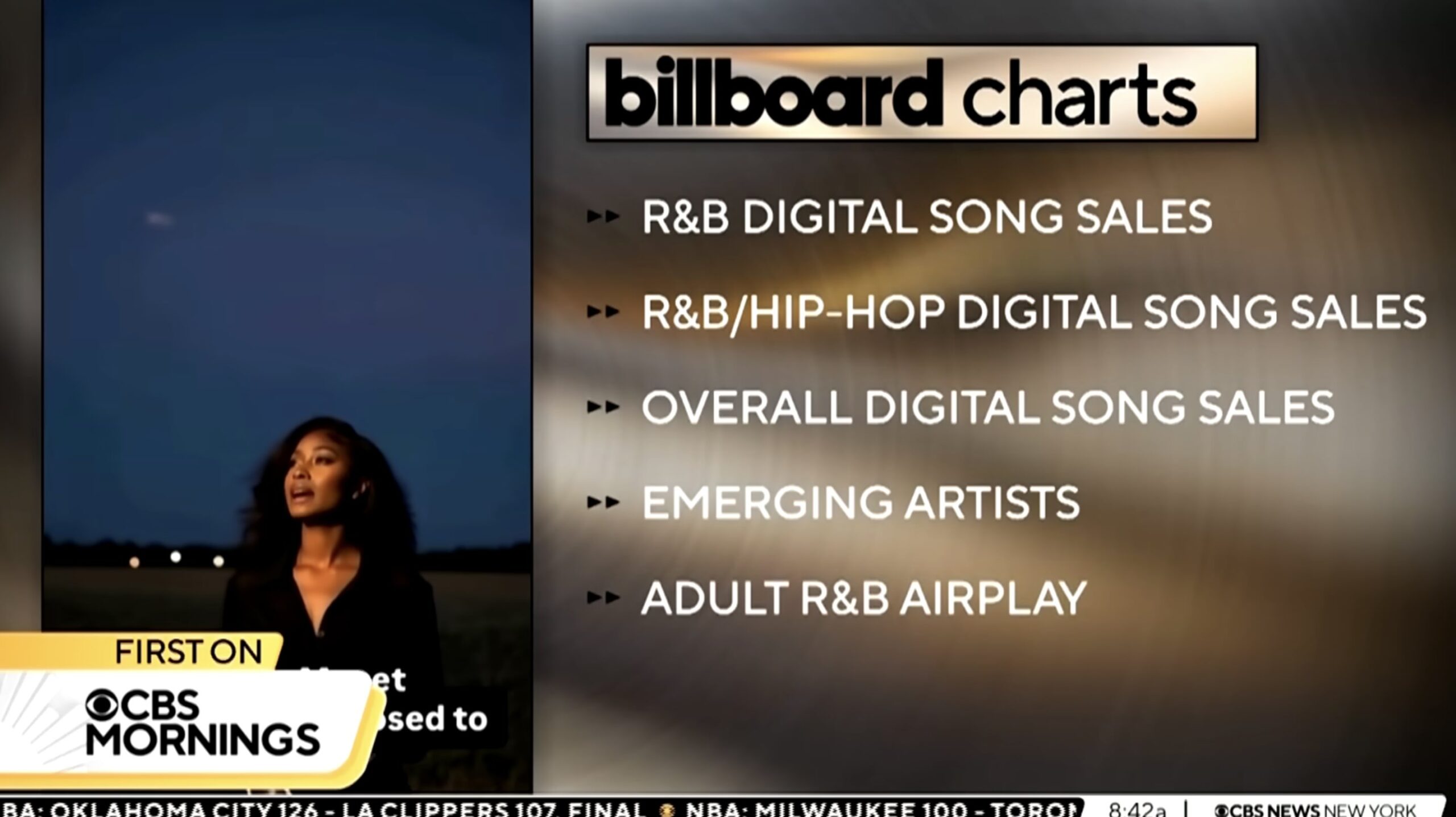
Xania Monet’s Billboard debut adds a separate data point. She was created by Mississippi-based poet Telisha Jones using Suno, writes roughly 90% of her own lyrics, and reached radio airplay without label infrastructure. Her catalog has accumulated 44.4 million official US streams and generated an estimated $52,000 across five songs in just over two months.
Traditional charts tell a different story
The contrast with mainstream chart data is structural. USC Annenberg Inclusion Initiative research found women represented 30% of Billboard Hot 100 year-end chart artists in 2022 and only 14% of songwriting credits. According to Chartmetric’s gender play gap analysis, the gap persists across streaming and chart data.
The traditional pipeline has multiple chokepoints: A&R sign-off, studio access, label development deals, radio promotion spend. Each one historically skews toward male-fronted acts in certain genres. AI music creation removes all of them. The tools cost the same for every creator. Distribution is direct.
The takeaway: The SIQA data may be measuring unmet audience demand that the traditional industry infrastructure never surfaced.
The contrarian read matters here, though. 1,551 tracks is a small dataset. The Q1 gender skew could reflect early adopter demographics in AI music creation, not a structural feature of the tools. Early adopters in certain AI-native communities (R&B, gospel, indie pop) may skew female, which would show up in chart data without proving any systemic change. The same data from Q2 could look different. That said, the TaTa Taktumi PMG signing and the Xania Monet bidding war (which reached $3 million) show that labels are watching these charts and acting on them.
What the SIQA data means for your release strategy

The access window for AI music tools is open now, before distribution infrastructure adapts and before Spotify’s AI crackdown policies tighten further. If you’re a female artist using AI tools, the Q1 2026 data suggests the current environment rewards audience-focused releases over industry-relationship-dependent ones.
If the gender ratio holds into Q2, industry analysts will start citing SIQA data in equity conversations. Labels will likely respond not with equity initiatives, but with competitive positioning: accelerating AI tool programs for female artists on their rosters. The window before that happens is narrow.
Frequently asked questions
Are female artists more successful on AI music charts than traditional music charts?
Based on Q1 2026 SIQA data, female-presenting artists held 37.2% of all chart positions, compared to 20–30% on traditional charts like the Billboard Hot 100. The dataset covers 1,551 tracks, so it’s early, but the gap is significant.
Who is Xania Monet and why is her Billboard chart debut significant?
Xania Monet is an AI music artist created by poet Telisha Jones using Suno. She debuted at No. 30 on Billboard’s Adult R&B Airplay chart in 2025, the first known AI music artist to chart on a mainstream Billboard radio chart without label promotion infrastructure.
What is SIQA and how do its charts work?
SIQA (Sonic Intelligence Academy) runs the first dedicated charting system for AI-generated music. Its Q1 2026 report tracked 1,551 tracks from 828 artists across 57 countries, measuring audience response to AI music independently of label investment or radio spend.
Does AI music remove barriers for female artists?
The Q1 2026 data suggests AI tools reduce structural friction: no A&R gatekeeping, no studio budget requirements, no label deal bottlenecks. The tools cost the same for every creator. Whether the gender ratio reflects that structural change or early adopter demographics will become clearer as more quarterly data accumulates.
About the author

Covering AI music tools, industry shifts, and news for music creators and professionals. Twice-weekly newsletter at aimusicpreneur.com.