Cafés are swapping licensed music for AI playlists to skip royalty fees
My stack My fav 6 tools for AI music after testing 70+
-
 ElevenMusic · Music generation
 -
 Moises · Stem separation
 -
 Controlla · Voice swap & cloning
 -
 Cryo Mix · Mixing + mastering
 -
 Neural Frames · Music videos
 -
 ONCE · Distribution
Some links are affiliate links — I earn a commission at no cost to you. Every tool here is one I run myself and truly believe in. This stack is proven.
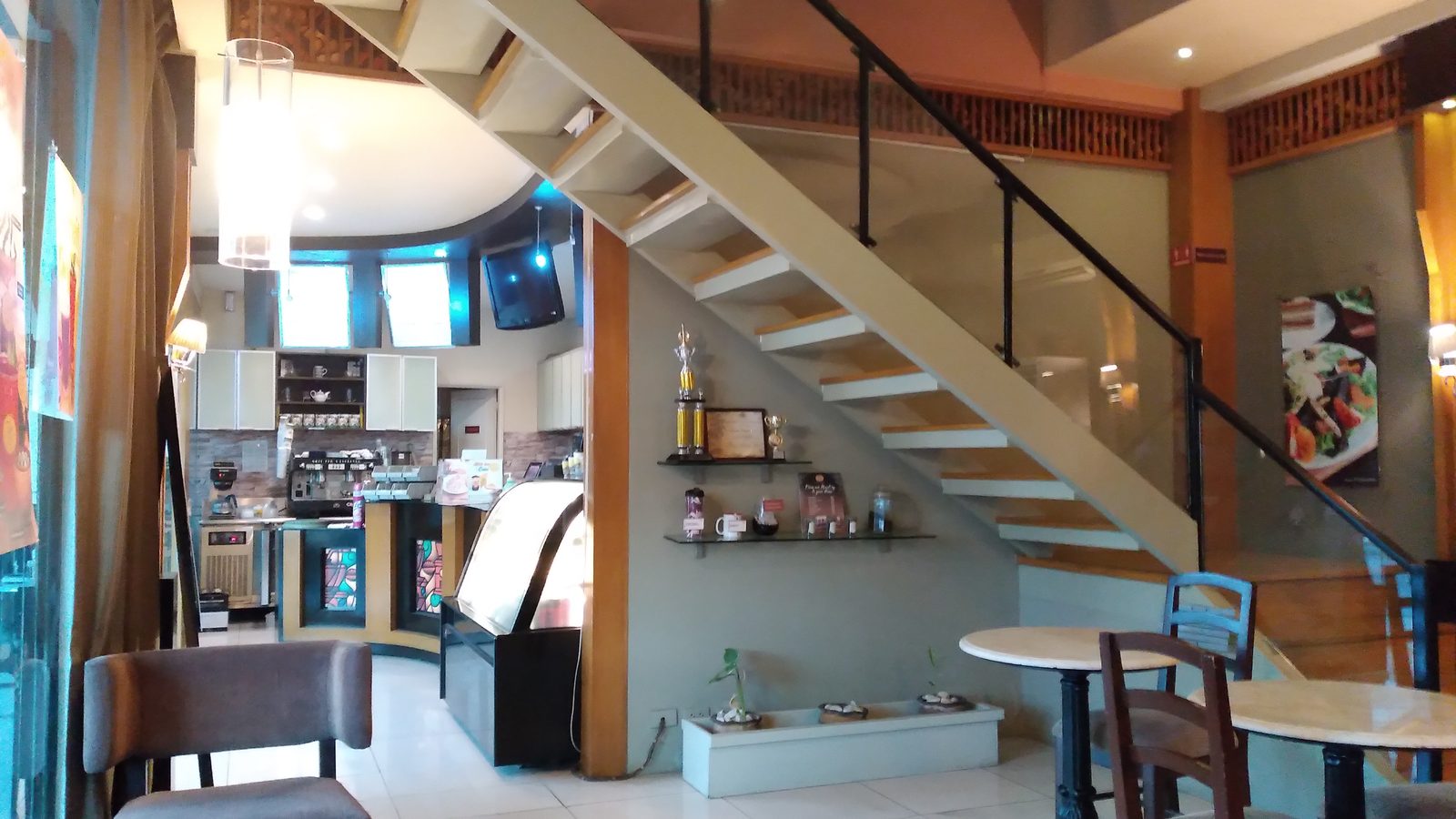
Cafés have started replacing licensed background music with AI-generated playlists, and the arithmetic behind it is blunt. The NZ Herald reported on August 8, 2026 how one New Zealand café owner weighed the annual cost of a music licence plus a streaming subscription against the margins on coffee, and switched the speakers to AI.
The pressure behind the switch is survival. Hospitality liquidations in New Zealand jumped 49% in the year to March 2026. Against margins like these, an app converting the prompt “early morning cafe jazz” into an endless playlist for a small subscription wins on price every time. The Herald puts the global AI music market at a projected $2.8 billion by 2030, and functional audio for businesses is one of its quietest, steadiest segments. Tools built for exactly this already exist, TuneTaxi pitched itself as background music for venues back in 2024.
Why an AI playlist means no performance licence
Playing music in a commercial space is a public performance, and venues pay a licence for it. In New Zealand it comes through OneMusic, the joint venture between APRA AMCOS and Recorded Music NZ. The licence covers the repertoire those societies control on behalf of songwriters and labels.
AI-generated tracks with no registered rightsholders sit outside the repertoire. Nothing to represent, nothing to license, nothing to pay. Royalty-free production music worked the same way for decades. The difference now is cost and volume: generation costs a venue near zero and the supply never runs out. On the upload side the flood is already documented, with AI tracks passing 50% of Deezer’s daily uploads this summer.
What venue royalties mean for a songwriter’s income
Background music money is invisible to most listeners and real to every PRO. Licences from shops, cafés, gyms and restaurants feed the public performance pool distributed to songwriters each year. It’s the passive slice of a writer’s income, the part earned while a barista steams milk under your song.
Every venue flipping to AI removes a recurring payer from the pool. A single café is pocket change. A measurable share of a country’s hospitality sector is a royalty stream drying up, and the writers who feel it first are the working ones whose income depends on volume across thousands of small rooms, never on hits.
Frequently asked questions
Do cafés need a music licence to play AI-generated music?
No, and this is the loophole driving the shift. Public performance licences from PROs like OneMusic NZ cover the repertoire their songwriter and label members control. A playlist of AI-generated tracks with no registered rightsholders falls outside the licensed repertoire, so a venue playing only AI music has nothing to license.
How much does a café music licence cost compared with AI background music?
The NZ Herald quotes one café owner who equates the annual music licence plus a streaming subscription to the profit on about 2,000 cups of coffee. AI background music apps generate unlimited playlists from a text prompt for a small subscription or nothing at all.
What do songwriters lose when venues switch to AI playlists?
Public performance royalties from shops, cafés, gyms and restaurants make up a meaningful slice of what PROs collect and distribute to songwriters each year. Every venue replacing licensed music removes recurring background royalty income, and unlike a lost stream, a lost venue tends to stay gone.
About the author

Covering AI music tools, industry shifts, and news for music creators and professionals. Twice-weekly newsletter at aimusicpreneur.com.