Patreon CEO calls AI training a “bloodbath” for creators, and he’s both a tech executive and a working musician
My stack My fav 6 tools for AI music after testing 70+
-
 ElevenMusic · Music generation
 -
 Moises · Stem separation
 -
 Controlla · Voice swap & cloning
 -
 Cryo Mix · Mixing + mastering
 -
 Neural Frames · Music videos
 -
 ONCE · Distribution
Some links are affiliate links — I earn a commission at no cost to you. Every tool here is one I run myself and truly believe in. This stack is proven.

Key Highlights:
- Patreon CEO Jack Conte demands Consent, Credit, and Compensation for creators whose work trains AI models
- Major labels negotiate AI licensing deals while independent artists lack bargaining power
- Conte’s dual role as tech executive and working musician gives his critique unusual credibility
Tech CEO and Musician Delivers Rare Dual Perspective
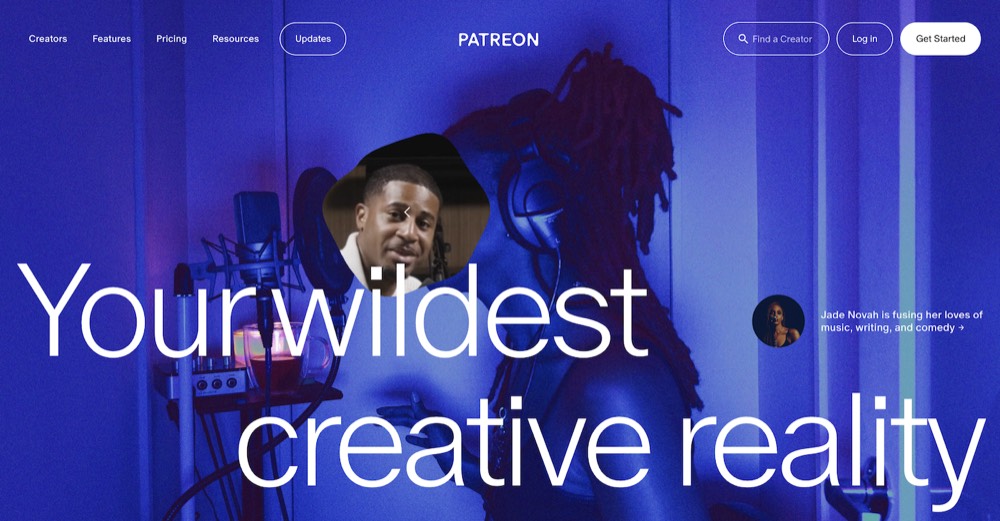
Jack Conte runs a $4B creator economy platform. He also makes music as half of Pomplamoose, a YouTube duo with 2M+ subscribers. On March 10, 2026, he posted a 43-minute video calling AI training practices a potential “bloodbath for the world’s creative people.”
His verdict on whether creators get consent, credit, or compensation from AI companies: “a big fat no.”
This mirrors the early streaming era when Spotify struck deals with major labels first. Independent artists received far less favorable terms. Understanding music royalty basics shows exactly what compensation creators miss when AI bypasses traditional licensing.
Conte Points to Content ID as Flawed Template

Conte cited YouTube’s Content ID mechanics as a potential model for AI attribution. The system lets rights holders detect and monetize unauthorized uses of their work.
The irony: Google built Content ID. Google is also being sued for AI music “”laundering”” through that same system. Spotify’s AI crackdown shows how enforcement struggles extend across platforms.
Major publishers have negotiated AI licensing agreements worth millions. If AI training qualifies as fair use legal analysis suggests, why pay anyone? The answer is leverage. Independent market data confirms solo creators lack it.
Independent Artists Need Provenance Documentation Now
The USCO AI updates signal federal policy shifts are coming. Creators who prove their work predates AI training cutoffs will have the strongest compensation claims.
Start with rights registration through your PRO. Explore Content Credentials (C2PA) for cryptographic provenance. Consider protective cloaking tools to confuse AI scrapers. Look at ethical voice licensing models that prove opt-in economics work.
The streaming economics history shows what happens when infrastructure gets built around label relationships. Don’t wait for platforms to protect you.
About the author

Covering AI music tools, industry shifts, and news for music creators and professionals. Twice-weekly newsletter at aimusicpreneur.com.