
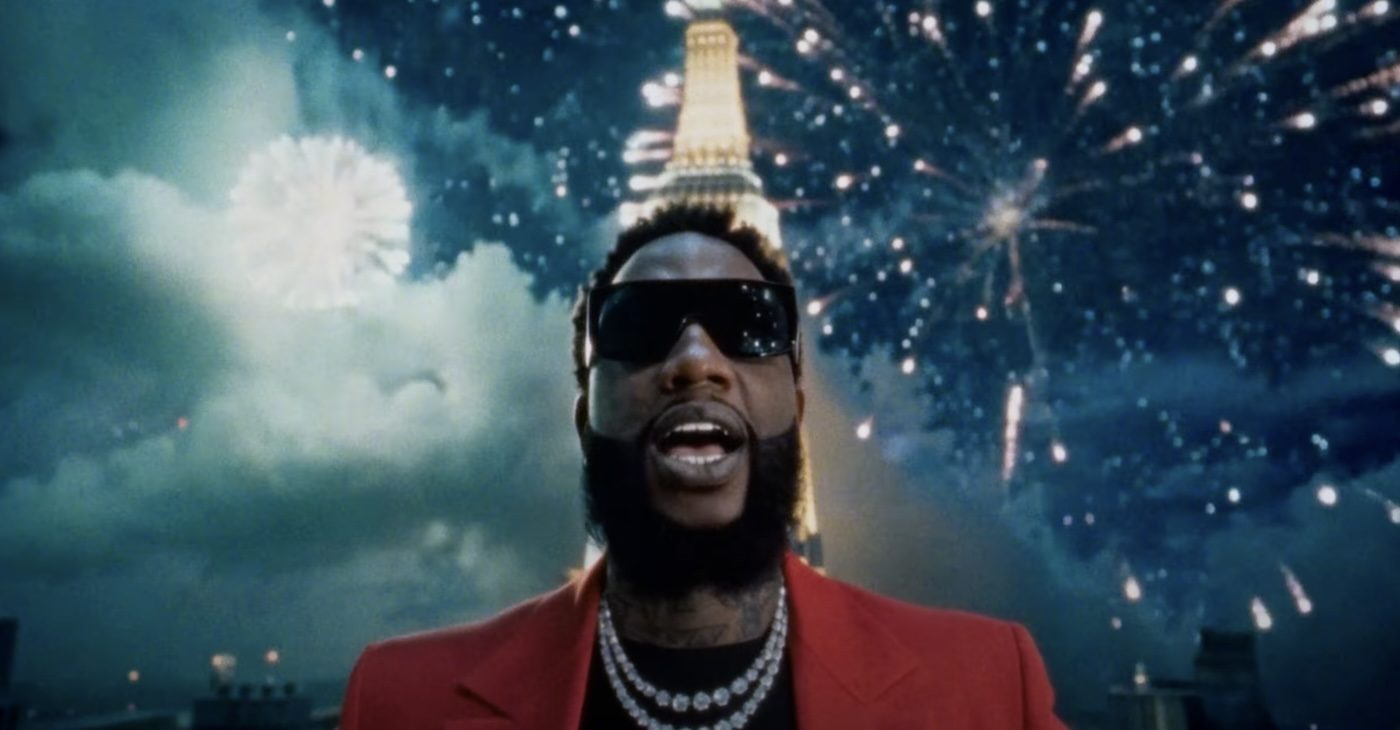
Gucci Mane just dropped an AI music video made by Harmony Korine’s studio EDGLRD and it’s actually pretty good
Key Takeaways:
- AI music videos can win over mainstream audiences when the quality matches the artistic vision
- Fast AI production lets artists create visual content without breaking the bank or spending months in production
- Hip-hop artists are leading the charge on AI integration, which could influence how the whole music industry approaches new tech
Gucci Mane just dropped an AI-powered music video for “Voices/Psycho” and it’s already pulling in close to 300,000 views. What’s surprising? Fans don’t seem to care that artificial intelligence created the visuals. They’re too busy praising both the track and the innovative video work. The visual was created by Harmony Korine‘s EDGLRD studio using just three photos of the rapper, showing how AI can boost artistic vision rather than replace it.
Fans Are Actually Into It
Instead of pushing back against the technology, listeners are giving props to both the music and the visuals. Comments like “best AI visual I’ve seen so far” and “A.I. bout to take over the video game” show that audiences are ready for this creative shift when it’s done right.

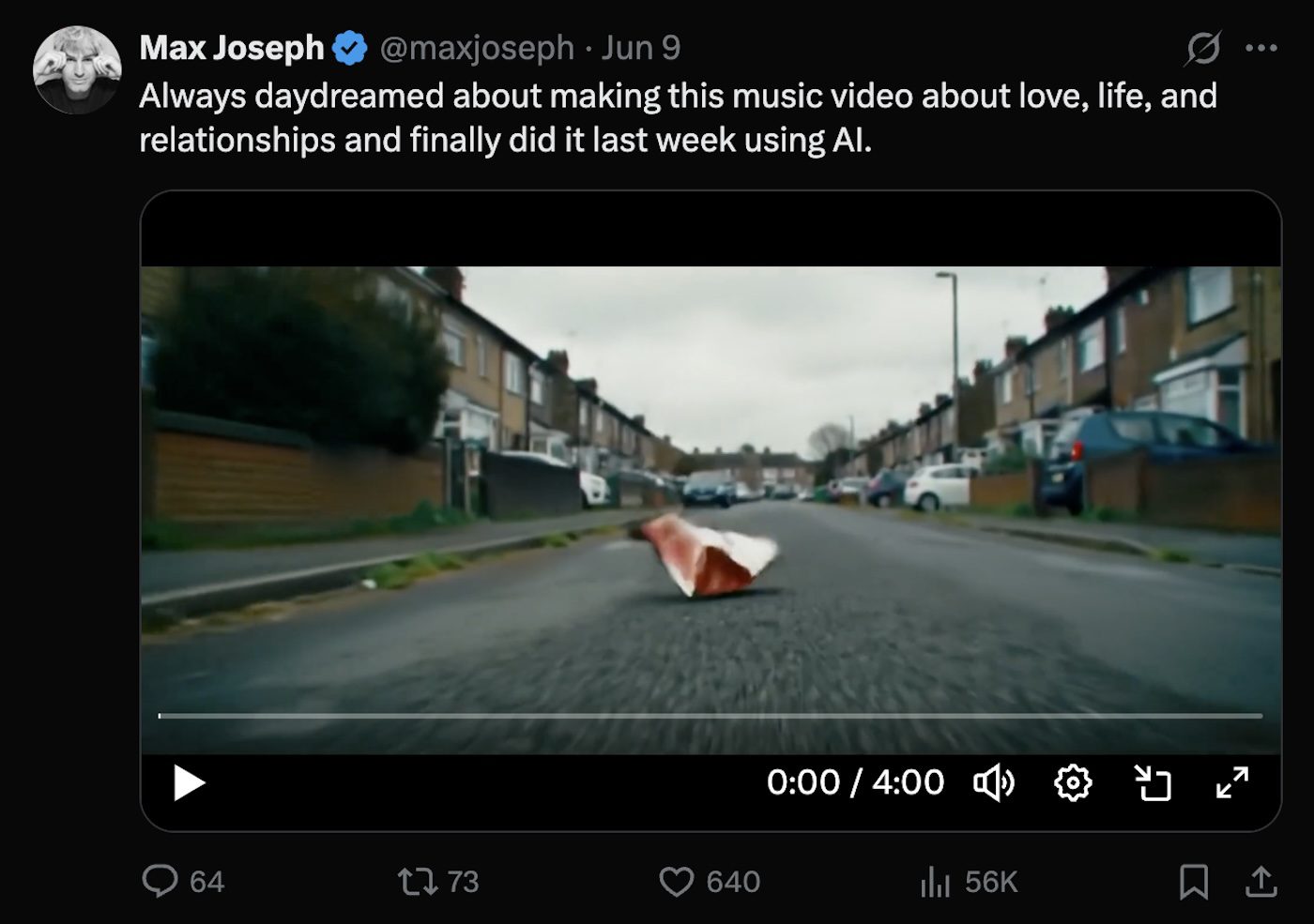
This follows a growing trend where AI music videos are gaining mainstream acceptance, from filmmaker Max Joseph’s unofficial Arctic Monkeys video created with Google Veo 2.0 to more personal projects like Scott Weiland‘s son Noah creating an AI music video for Slither that honor musical legacies. The video serves as a preview for Gucci’s October album “Episodes,” his biggest project yet that combines music with a companion book exploring mental health struggles.
What This Means for Music Videos
EDGLRD’s approach delivers “high-level creativity with emerging technology” in record time. This “low-lift process for the artist and high-impact for the fans” model could change how artists make visual content, especially for frequent releases.
When you can use tools like Seedance 1.0 to create videos quickly and cheaply, it opens doors for more experimental content without the traditional barriers of expensive production.
About the author

Covering AI music tools, industry shifts, and news for music creators and professionals. Twice-weekly newsletter at aimusicpreneur.com.