Australia's music industry calls AI training the largest IP theft in its history
My stack My fav 6 tools for AI music after testing 70+
-
 ElevenMusic · Music generation
 -
 Moises · Stem separation
 -
 Controlla · Voice swap & cloning
 -
 Cryo Mix · Mixing + mastering
 -
 Neural Frames · Music videos
 -
 ONCE · Distribution
Some links are affiliate links — I earn a commission at no cost to you. Every tool here is one I run myself and truly believe in. This stack is proven.
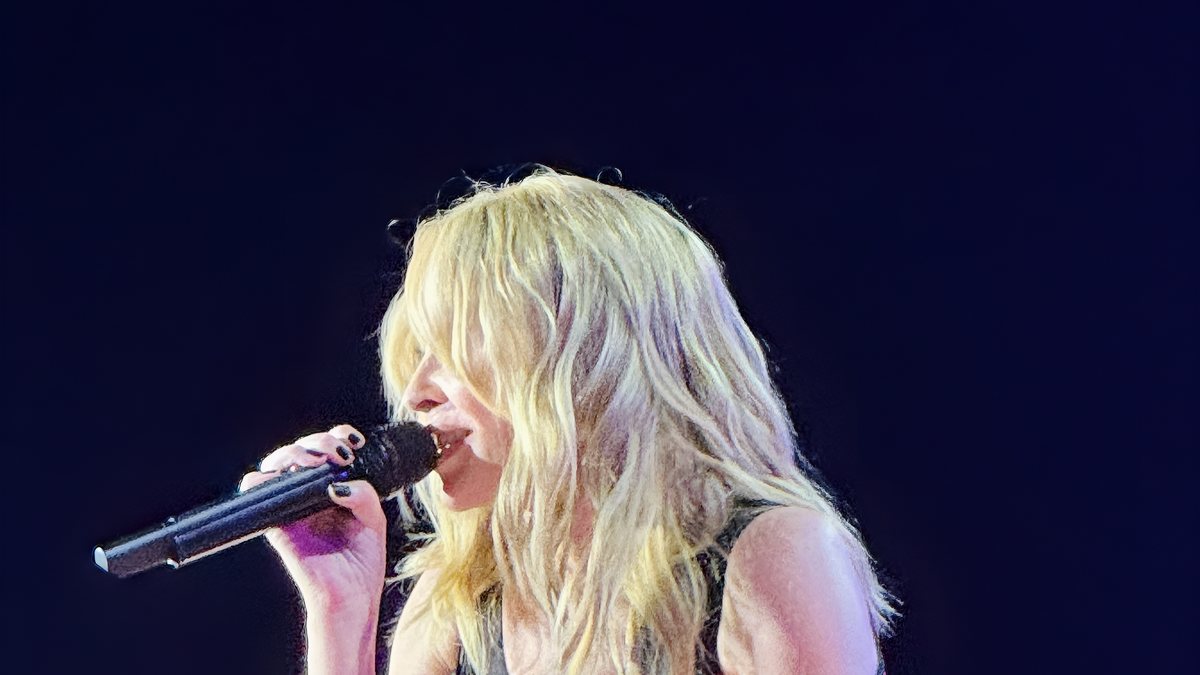
Australia’s leading music and creative organizations issued a joint open letter on June 30, 2026, demanding the federal government protect creators from mass-scale AI training. The coalition called the unauthorized use of Australian songs to train AI systems the largest theft of intellectual property in the industry’s history.
The largest theft of intellectual property in the history of our industry.
What the Australian music coalition is demanding
The letter, first reported by Digital Music News, brings together APRA AMCOS, ARIA, the Copyright Agency, the Australian Music Centre, the National Aboriginal and Torres Strait Islander Music Office, the Australian Publishers Association, Screenrights, Screen Producers Australia, and AIR, among others. Their ask is narrow and old-fashioned: consent and remuneration. The right to say yes or no, and to be paid when the answer is yes.
The trigger was concrete. The Atlantic revealed that millions of Australian and Aotearoa New Zealand works sat inside four giant song datasets used to train AI without the writers’ knowledge, consent, or payment. When artists searched the tool, they found their own catalogs. Kylie Minogue, Nick Cave, Tame Impala, Midnight Oil, and New Zealand’s Lorde are among the names reported as affected.
Why the government’s October 2025 line now matters
Canberra ruled out changes to Australia’s copyright regime in October 2025, declining to hand AI companies a training exemption. The coalition wants the government to hold that line and enforce it, and Music Victoria warned of mounting pressure to weaken those protections.
This is not the first Australian flare-up. ARIA chief Annabelle Herd already rejected calls to weaken copyright for AI, and the June letter widens that stance from one body to a united front.
The pattern across the last month is hard to miss:
- The Atlantic exposed four datasets holding millions of scraped tracks, the report that set off this letter.
- 31 creator organizations worldwide demanded consent and fair pay before labels sign AI deals, on June 23, 2026.
- SZA found 238 of her tracks in a training set and told other artists to check theirs.
What this means for songwriters whose work was scraped
If you release music, your catalog may already sit in one of these datasets, whether or not you live in Australia. The scraping did not stop at a border, and the Atlantic tool covers works far beyond one country.
Two practical moves. Check The Atlantic’s dataset tool to see if your work is listed. Then keep your rights metadata clean, so any future consent-and-pay system can actually match a payment to you. Consent only pays if the plumbing can find the person owed.
Frequently asked questions
What does the Australian music industry's 2026 AI open letter demand?
The June 2026 open letter asks the federal government to protect creators from unauthorized AI training by upholding and enforcing Australia's copyright law. Its two core demands are consent and remuneration, the right for creators to say yes or no and to be paid when the answer is yes.
Whose music was found in the AI training datasets flagged by The Atlantic?
The Atlantic reported that millions of Australian and Aotearoa New Zealand works appeared in four large song datasets used to train AI. Artists reported as affected include Kylie Minogue, Nick Cave, Tame Impala, Midnight Oil, and New Zealand's Lorde, among many others.
Has the Australian government ruled on AI training and copyright?
In October 2025, the Australian government ruled out changes to the country's copyright regime, declining to give AI companies a training exemption. The 2026 coalition wants that position kept and enforced as lobbying pressure to reopen the question grows.
About the author

Covering AI music tools, industry shifts, and news for music creators and professionals. Twice-weekly newsletter at aimusicpreneur.com.