AI music market could hit $3 Billion by 2028, according to GEMA and Sacem.
My stack My fav 6 tools for AI music after testing 70+
-
 ElevenMusic · Music generation
 -
 Moises · Stem separation
 -
 Controlla · Voice swap & cloning
 -
 Cryo Mix · Mixing + mastering
 -
 Neural Frames · Music videos
 -
 ONCE · Distribution
Some links are affiliate links — I earn a commission at no cost to you. Every tool here is one I run myself and truly believe in. This stack is proven.
Everything you need to know:
- 35% of musicians surveyed have already used AI tools, with younger artists most open to experimenting
- The report predicts the AI music market will grow exponentially to $3 billion globally by 2028 if regulations adapt successfully
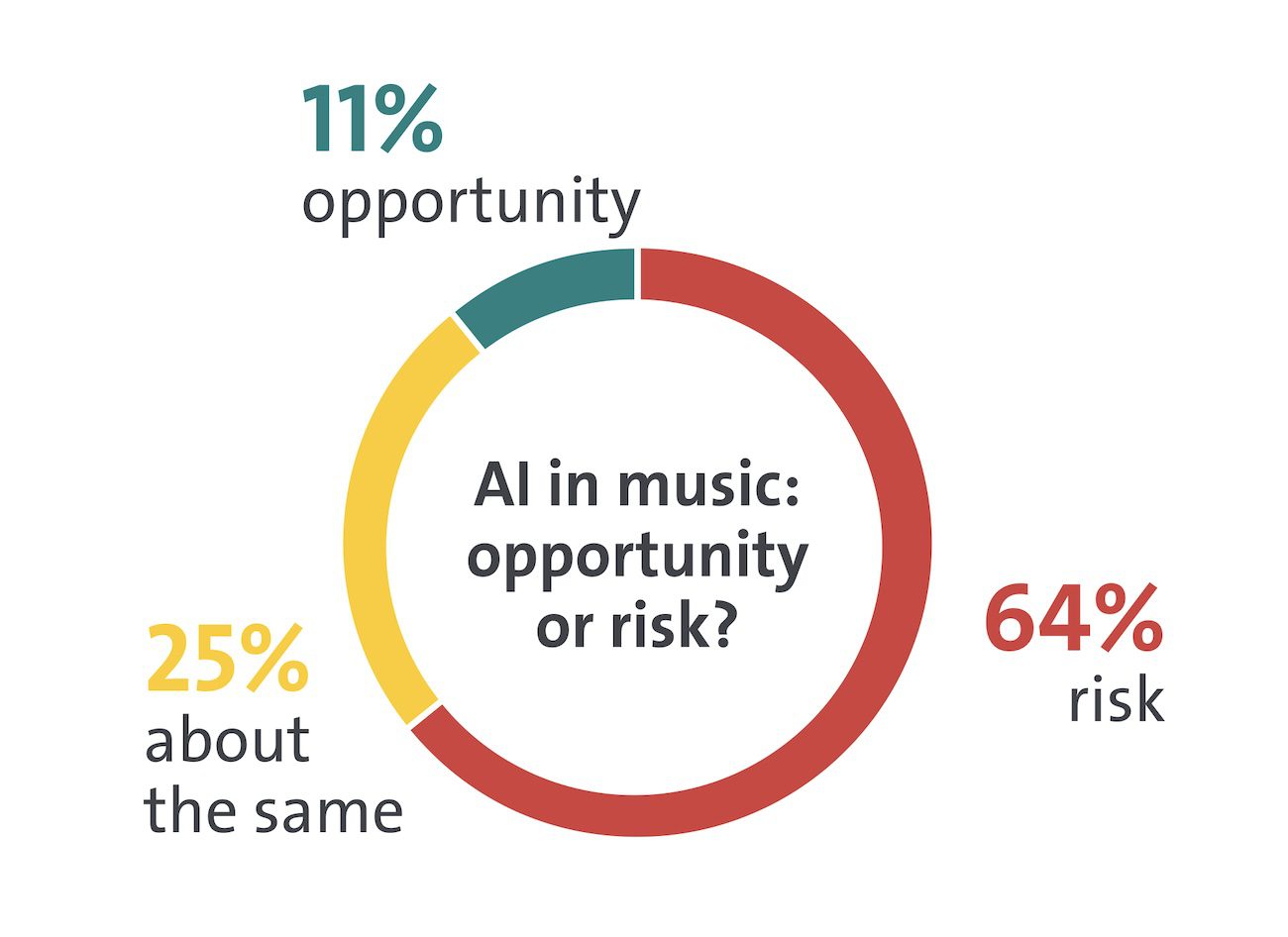
- 71% of musicians expressed concern that increased AI use could undermine their ability to earn money from their musical works
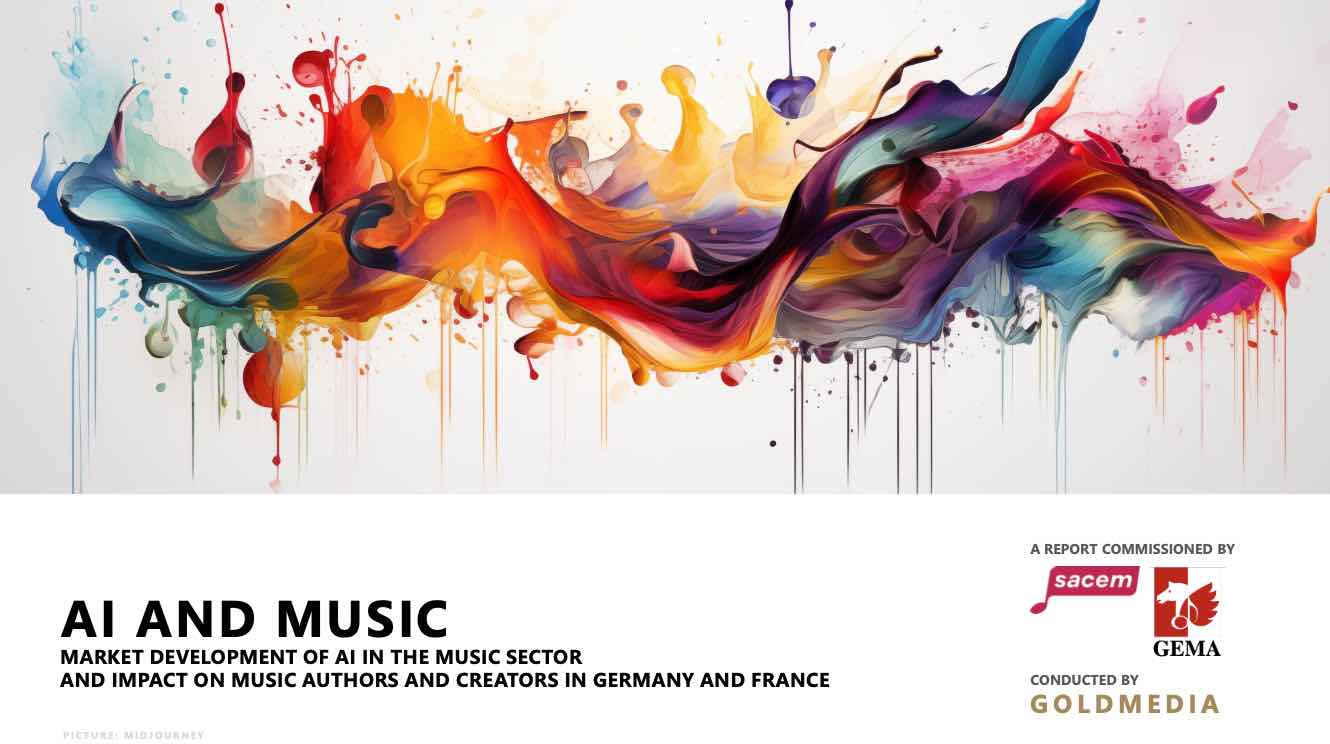
Two major European collecting societies, GEMA and Sacem, recently partnered on an important research project. Their new report analyzes how artificial intelligence will influence music creation and business in the coming years. According to their findings, AI-generated music could become a $3 billion global market by 2028.
Download the 192-page study here
The report starts by surveying over 15,000 musicians on their views and experiences of AI so far. It found that 35% have already used AI tools in their work, with younger artists being most open to experimenting. While many see creative potential, there are also worries about livelihoods. A notable 71% fear AI could undermine musicians’ ability to earn money from songs.
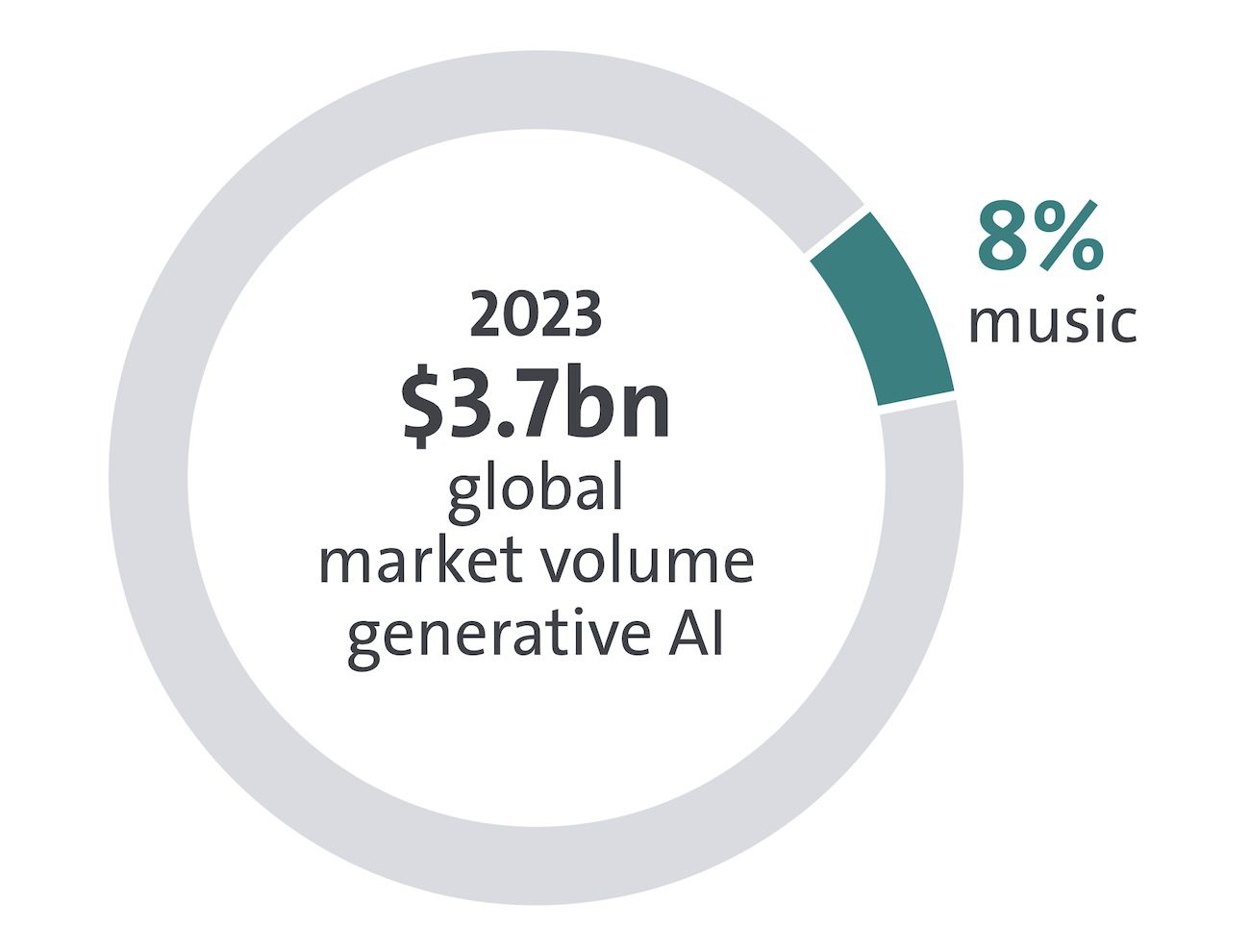
For context, the worldwide AI music market is estimated at $300 million today. The collecting societies project exponential growth to $3 billion within five years if regulations keep pace with innovation.
That forecast is ambitious given most startups are still refining business models. GEMA and Sacem recognize this early market is defining norms around ethics, compensation, and copyright compliance. Their study advocates policies promoting “credit, transparency, consent and remuneration” as AI’s role expands. This includes properly attributing AI-assisted works and ensuring humans, not just corporations, financially benefit.
As the European Commission considers new AI legislation, these societal stakeholders hope to influence discussions. Their U.S. counterparts like ASCAP and SoundExchange will also monitor these issues closely. Overall the aim is balancing creators’ rights with opportunities for educational and commercial applications of the technology.

“AI is an opportunity for creators but as always, it is our responsibility, us Europeans to define the ethic and economical framework in which intellectual property has to be respected. Regulations are access to freedom and not the reverse. It’s because we invented the rules of the road that we can travel safely.”
Jean-Michel Jarre
Electronic music pioneer and former CISAC president
This debate will intensify as the technical capabilities and market value of AI music systems grow significantly in the coming years. Collecting societies and independent artists alike want safeguards ensuring the human side of music thrives alongside intelligent technologies. With balanced policy frameworks and consent-based practices, many believe AI could enrich entertainment and become a major industry without disrupting creators’ livelihoods. The study provides a useful early examination of stakeholders’ perspectives as this partnership between people and machines continues evolving.Share
About the author

Covering AI music tools, industry shifts, and news for music creators and professionals. Twice-weekly newsletter at aimusicpreneur.com.