Controlla CEO Rohan Paul predicts 5 billion people will love AI music by 2040
My stack My fav 6 tools for AI music after testing 70+
-
 ElevenMusic · Music generation
 -
 Moises · Stem separation
 -
 Controlla · Voice swap & cloning
 -
 Cryo Mix · Mixing + mastering
 -
 Neural Frames · Music videos
 -
 ONCE · Distribution
Some links are affiliate links — I earn a commission at no cost to you. Every tool here is one I run myself and truly believe in. This stack is proven.
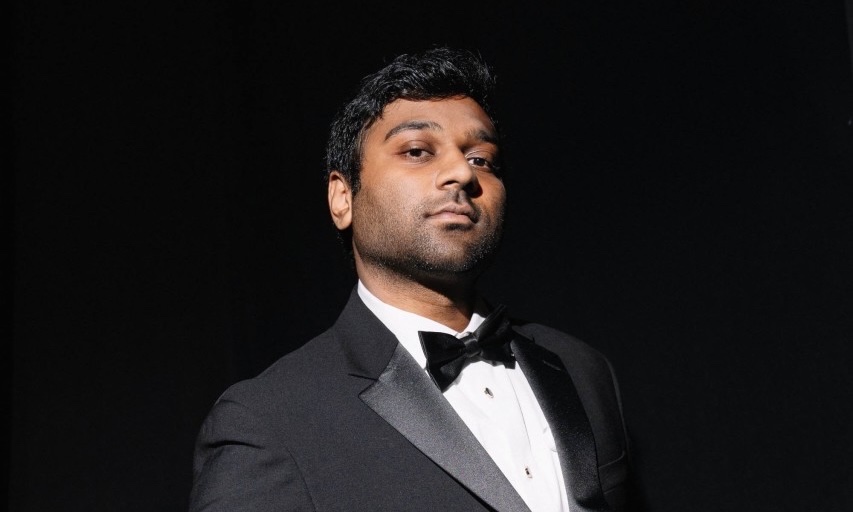
Rohan Paul, co-founder and CEO of AI singing platform Controlla, has a number in mind: 5 billion. That is how many people he believes will fall in love with AI music by 2040, in a prediction he laid out on LinkedIn.
Today, by his count, only about 200 million have tried it. The gap between those two figures is the bet his whole company is built on.
The furniture argument
Paul’s case runs on an analogy. Recorded music, he says, is like mass-produced furniture: one song, made the same way for everyone, heard the same regardless of your taste. Live performance is the handmade version, rare and expensive.
AI music and remixes, in his framing, are a private carpenter using machines to build a piece fit to your exact shape. The pitch is personalization. Anyone who loves a song, he argues, will eventually love a version that bends to their own taste even more.
The math behind the number
The rest is arithmetic. Paul points out that 90 to 95% of people enjoy music and 6 billion people have internet access. Against that base, he sees no future where fewer than 5 billion end up enjoying AI music or AI versions of the songs they already love.
He says the early signal is emotional, not technical. People send him personalized songs in their own voice that have made them cry, which is the kind of reaction static recordings rarely produce on demand.
Why give fans a static one-size-fits-all song when you can give them a living, breathing one?
Who is making the prediction
The forecast matters partly because of who is making it. While other platforms rushed to sell celebrity voices without permission, Paul argued for artists’ rights of publicity at the US Copyright Office and joined the panels behind the proposed NO FAKES Act.
Controlla trains its models with consent and pays direct royalties to the artists whose voices and songs it uses. Its Controlla Voice platform is used by more than 450,000 artists and has touched tracks with over 1 billion streams. This is a prediction from the consent-and-compensation side of AI music, not the scraping side.
What it means for artists
Paul frames the opening for musicians as a new layer of interactivity that puts fans first. He suggests artists vibecode a game where fans explore infinite variations of a song, or release a track in 5 genres, 5 languages and 5 voices and watch what spreads.
The throughline is experimentation as a door for new artists, not a threat to established ones. The fan, in his version, stops being a passive listener and starts shaping the music.
Frequently asked questions
Who is Rohan Paul?
Rohan Paul is the co-founder and CEO of Controlla, an AI music company founded in 2021. He has advocated for artists' rights of publicity at the US Copyright Office and was involved in panels behind the proposed NO FAKES Act.
What did Rohan Paul predict about AI music?
In a LinkedIn post, Paul predicted that 5 billion people will fall in love with AI music by 2040. He argues that personalized, adaptable versions of songs will eventually appeal to most listeners more than static recordings do.
Why does Rohan Paul compare AI music to custom-made furniture?
Paul argues recorded music is like mass-produced furniture, made one way for everyone, while a live show is handmade and AI music is a custom piece built for your taste. His point is that personalized, adaptable versions of songs will eventually appeal to listeners more than fixed recordings do.
Is Controlla's AI voice technology ethical?
Controlla trains its AI singing models with the consent of the singers and pays direct royalties to the creators whose music it relies on. Paul has positioned the company around consent and compensation rather than scraping voices without permission.
About the author

Covering AI music tools, industry shifts, and news for music creators and professionals. Twice-weekly newsletter at aimusicpreneur.com.