Watch CNBC dive into how AI music is shaking up the industry
My stack My fav 6 tools for AI music after testing 70+
-
 ElevenMusic · Music generation
 -
 Moises · Stem separation
 -
 Controlla · Voice swap & cloning
 -
 Cryo Mix · Mixing + mastering
 -
 Neural Frames · Music videos
 -
 ONCE · Distribution
Some links are affiliate links — I earn a commission at no cost to you. Every tool here is one I run myself and truly believe in. This stack is proven.
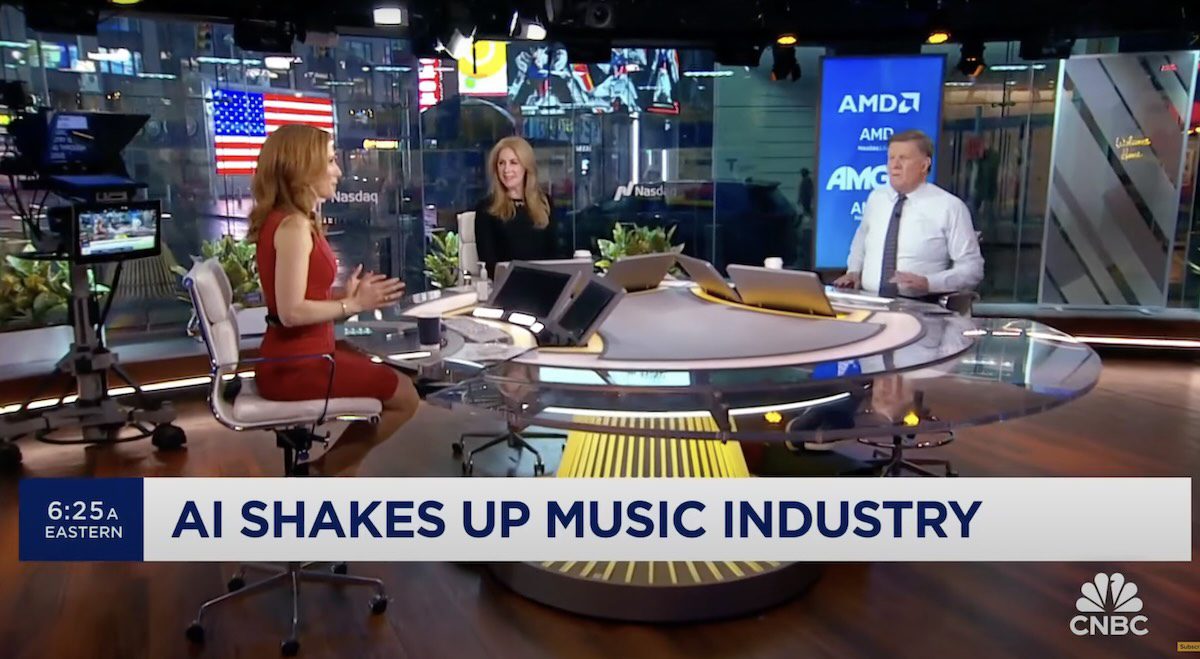
On a recent episode of CNBC’s Squawk Box Senior Media and Tech Reporter Julia Boorstin delved into the impact of AI on the music industry. Two decades after streaming music piracy threatened the industry, and in the wake of concerns about AI prolonging Hollywood strikes, a surprising development has emerged: a growing number of artists and music labels are embracing AI tools that replicate and manipulate artists’ voices.
Everything you need to know:
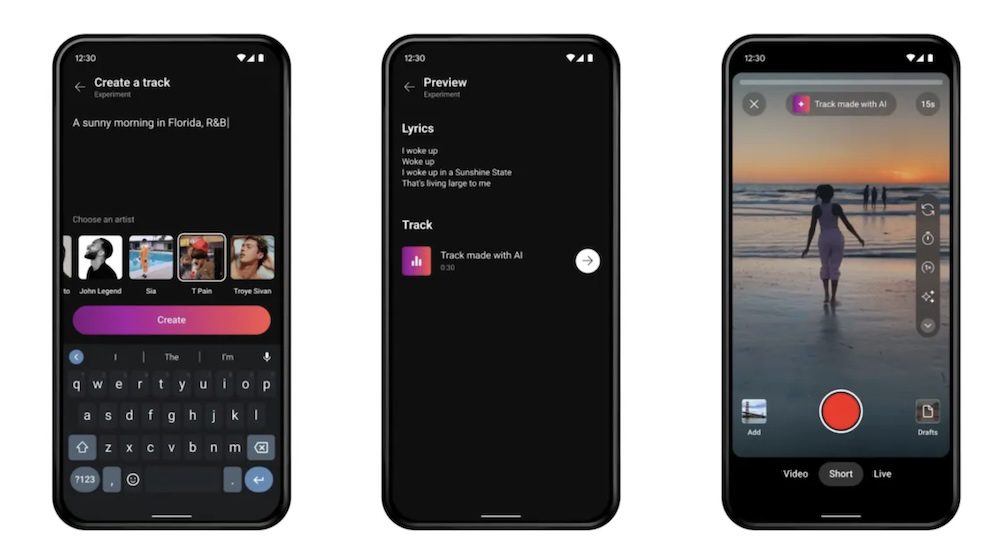
✓ YouTube’s Dream Track tool allows creators to generate AI songs with famous artists’ voices
✓ AI in music raises concerns about artist exploitation and the need for proper compensation
✓ The future of AI-generated music is both exciting and uncertain, with significant implications for the industry
Imagine Demi Lovato and John Legend singing a song just for you.
With YouTube’s Dream Track, it’s now a reality. 9 big-name artists are already on board. The AI music revolution has begun.
Major players like YouTube, in partnership with record labels such as Universal Music Group, are at the forefront of this change, experimenting with AI-generated music and tools like Dream Track.
Dream Track, currently being tested as part of YouTube’s short-form video platform, allows creators to generate AI-powered songs featuring the voices of famous artists. The tool has already garnered the participation of nine big-name artists, including John Legend, Demi Lovato, and Camila Cabello, who are being compensated for their involvement.
Artists face a choice: Adapt or get left behind.
The implications of AI-generated music are far-reaching, with the potential to revolutionize the way artists create and distribute their work. Michael Nash, Universal Music Group’s Executive Vice President of Digital Strategy, emphasizes the importance of embracing new technology and finding ways to effectively partner with AI to drive innovation.
However, the rise of AI in music also raises concerns about the potential exploitation of artists’ voices and the need for proper compensation and control over their intellectual property. YouTube is working to address these issues by establishing guard rails and ensuring that participating artists are fairly compensated.
The music industry’s history with disruptive technology, such as the piracy crisis of the early 2000s, has taught valuable lessons about the importance of adaptation. Artists like Grimes are already experimenting with AI, inviting fans to create songs using her voice and offering to split royalties if the songs become hits.
As AI-generated music becomes more accessible and sophisticated, it has the potential to democratize the creative process and enable a new era of personalized, custom-made music. However, it also poses challenges for up-and-coming artists trying to establish themselves in an increasingly competitive and tech-driven industry.
About the author

Covering AI music tools, industry shifts, and news for music creators and professionals. Twice-weekly newsletter at aimusicpreneur.com.