Key highlights
- Objective 3 acknowledges creator IP rights but explicitly protects AI “fair use” of training data — no licensing mandate, no opt-out, no compensation mechanism
- A federal preemption clause threatens to override state-level music creator protections in California, New York, and other states with pending AI training consent legislation
- Marsha Blackburn’s Trump American AI Act discussion draft, not the White House framework, is where actual creator protections are being written
The Trump White House published a National AI Legislative Framework on March 20, 2026, calling on Congress to pass federal AI law before individual states create conflicting regulations. The document sets out six objectives covering children’s safety, creator IP rights, free speech, energy, innovation, and workforce development. For music professionals, Objective 3 is the critical section, and it delivers considerably less than it appears to.
What the framework is and what it is not
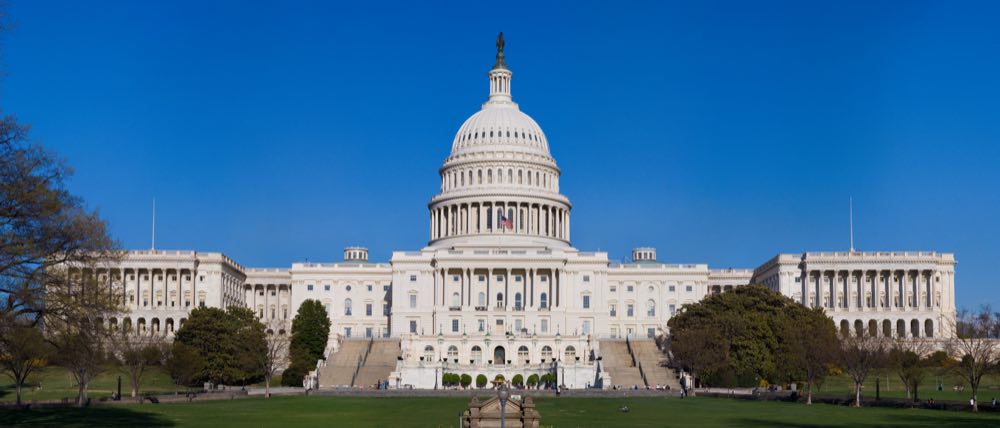 Public Domain No attribution required
This is a policy blueprint, not law. The Administration released it to give Congress, in the words of House Speaker Mike Johnson and Majority Leader Steve Scalise, “the necessary roadmap for legislation.” Copyright Alliance CEO Keith Kupferschmid praised the release while pointing to Senator Blackburn’s separate discussion draft as the bill with actual creator-protective provisions on training data. Congress still has to act before any of this becomes enforceable.
The 6 objectives and what they mean for your music career
Objective 1 calls on Congress to give parents tools to control their children’s device use and account settings. It requires platforms accessible to minors to implement features reducing risks of self-harm and sexual exploitation.
For creators distributing on TikTok, YouTube, or Spotify, this translates to tighter content moderation rules for AI-generated material on youth-facing platforms. AI content farms flooding streaming and social platforms with algorithmically generated children’s audio are squarely in scope here.
Expect stricter account verification and content review requirements on youth-accessible platforms over the next 12 to 18 months.
2. Federal action against AI-enabled music fraud
Objective 2 directs Congress to expand the government’s ability to combat AI-enabled scams and address national security risks. It also calls for streamlining data center permitting so AI infrastructure builds out faster.
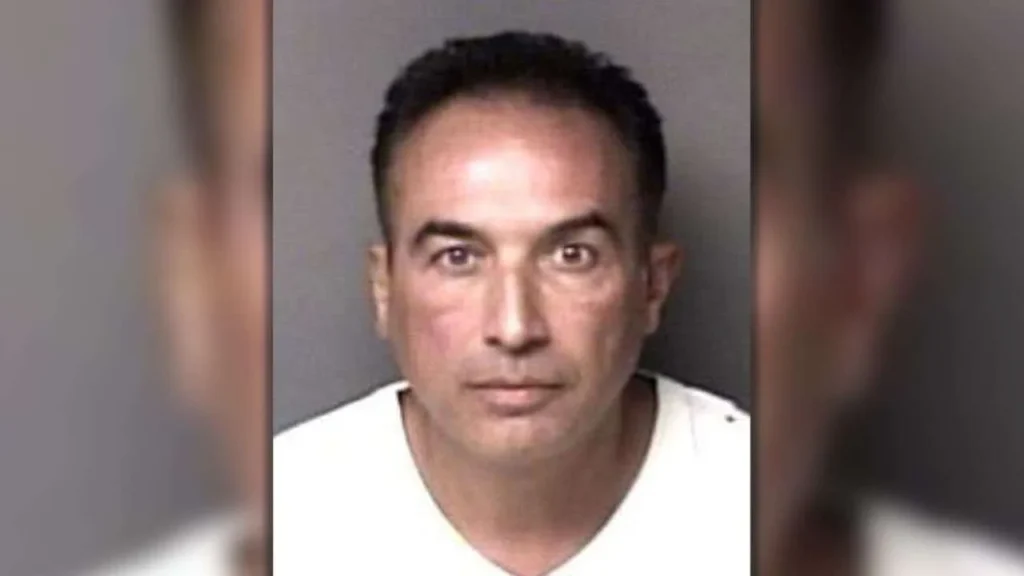 Source Digital Music News
The Michael Smith streaming fraud case — $8.1 million stolen using AI-generated songs and 1,040 bot accounts over seven years — is the direct real-world precedent this objective addresses. Federal enforcement against bot-driven streaming fraud is set to accelerate as a result.
Faster, cheaper infrastructure from streamlined permitting also means more AI music tools entering the market throughout 2026.
3. Creator IP gets acknowledged, AI fair use gets guaranteed (?!)
Read this objective closely. The framework states creative works “must be respected,” then adds immediately: “AI must be able to make fair use of what it learns from the world it inhabits.”
There is no licensing mandate. No opt-out. No compensation mechanism. The EU Copyright Directive’s TDM provision gives European rightsholders a legal right to exclude their works from AI training. The RIAA’s formal AI principles call for mandatory licensing before training on copyrighted works. This framework includes neither.
The framing mirrors how the DMCA positioned Section 512 in 1998 — a “balance” between creator rights and innovation. Section 512 became the safe harbor shield platforms used for decades to build billion-dollar businesses on creator content. Read the Google ContentID analysis for the structural parallel playing out now with AI training data.
4. AI content moderation faces new free speech limits
Objective 4 prohibits AI from being used to silence political expression or dissent. The language targets government censorship broadly rather than music platforms specifically.
For musicians, it creates an indirect argument against AI moderation systems removing politically charged songs — rap, protest music, or lyrically sensitive content automated systems flag as problematic. How this applies to streaming platforms will depend entirely on how Congress writes the final legislation.
Monitor how streaming platform AI rules evolve in 2026 as platforms adapt their content policies to the incoming federal framework.
5. Innovation push puts state-level creator protections at risk
Objective 5 calls for removing barriers to AI innovation and accelerating deployment across all industries. The framework explicitly warns against “a patchwork of conflicting state laws.”
The phrase is the hidden risk for independent artists. California and New York have both advanced AI training consent legislation requiring companies to seek permission before using creator content for model training. Federal preemption built on Objective 5 would override those protections entirely.
The CLEAR Act disclosure bill and the UK AI copyright debate show what creator-protective AI legislation looks like in practice. Without federal equivalents, state-level efforts are at immediate risk under this framework.
6. Federal funding for AI skills training reaches music education
Objective 6 directs Congress to expand AI workforce development and skills training programs. The Administration wants workers across all sectors to participate in AI-driven economic growth and create new jobs in an AI-powered economy.
For music producers and educators, this is the one objective with straightforward upside. Federal funding for AI skills programs is positioned to reach music tech education, DAW training, and producer development curricula in ways existing grant structures have not supported.
 Credit Photo by Gage Skidmore CC BY SA 20 via Wikimedia Commons
Patreon CEO Jack Conte argued a related point on creator value in the AI era — education and compensation for creators are two sides of the same argument. If you teach music production or run a training program, track how this workforce language translates into federal funding priorities over the next year.
The legislation music creators actually need to watch
The White House framework is a starting point, not a resolution. As Digital Music News reported, Blackburn’s nearly 300-page discussion draft — released March 18, 2026 — explicitly states unauthorized use of copyrighted works for AI training is not fair use. Industry lobbying from the Copyright Alliance, NMPA, and RIAA will intensify over the next six months as the Blackburn draft moves toward legislation the President can sign. The White House framework tells you what the Administration wants. The Blackburn bill tells you what creators are fighting for.
Frequently asked questions
What does Trump’s national AI framework mean for music creators?
The framework sets six federal AI policy goals for Congress to turn into law. For music creators, Objective 3 is the most significant — it acknowledges creator IP rights but explicitly protects AI “fair use” of training data with no licensing mandate, opt-out mechanism, or compensation requirement. It preserves the legal status quo AI companies have been defending in ongoing copyright litigation.
Does Trump’s AI framework require AI companies to pay for music used in training?
No. The framework contains no licensing requirement, no compensation structure, and no opt-out mechanism for creators. It places creator rights and AI fair use as co-equal policy goals, which gives AI companies the legal environment they have argued for in court cases against Suno, Udio, and others.
Will Trump’s AI framework override state laws protecting music creators?
The framework explicitly opposes a “patchwork of conflicting state laws,” signaling a federal preemption intent. Federal legislation built on this framework would override state-level AI training consent laws in California, New York, and elsewhere — states where independent artists have been pushing for stronger protections than the current federal baseline offers.
What is the Marsha Blackburn Trump American AI Act?
It is a nearly 300-page discussion draft released March 18, 2026 on blackburn.senate.gov. Unlike the White House framework, it includes language stating unauthorized use of copyrighted works for AI training is not fair use. It is the piece of legislation with creator-protective provisions worth tracking through the Congressional drafting process in 2026.
How does the US AI framework compare to EU rules for music creators?
The EU Copyright Directive 2019/790 gives European rightsholders a legal right to exclude their works from commercial AI training through the text-and-data mining opt-out provision. The US framework has no equivalent mechanism, meaning US music creators start with fewer enforceable protections than their European counterparts under the current policy direction.