Austrian band Lucy Dreams built an artificial band member before ChatGPT existed, and she’s not an AI
My stack My fav 6 tools for AI music after testing 70+
-
 ElevenMusic · Music generation
 -
 Moises · Stem separation
 -
 Controlla · Voice swap & cloning
 -
 Cryo Mix · Mixing + mastering
 -
 Neural Frames · Music videos
 -
 ONCE · Distribution
Some links are affiliate links — I earn a commission at no cost to you. Every tool here is one I run myself and truly believe in. This stack is proven.
Key Highlights:
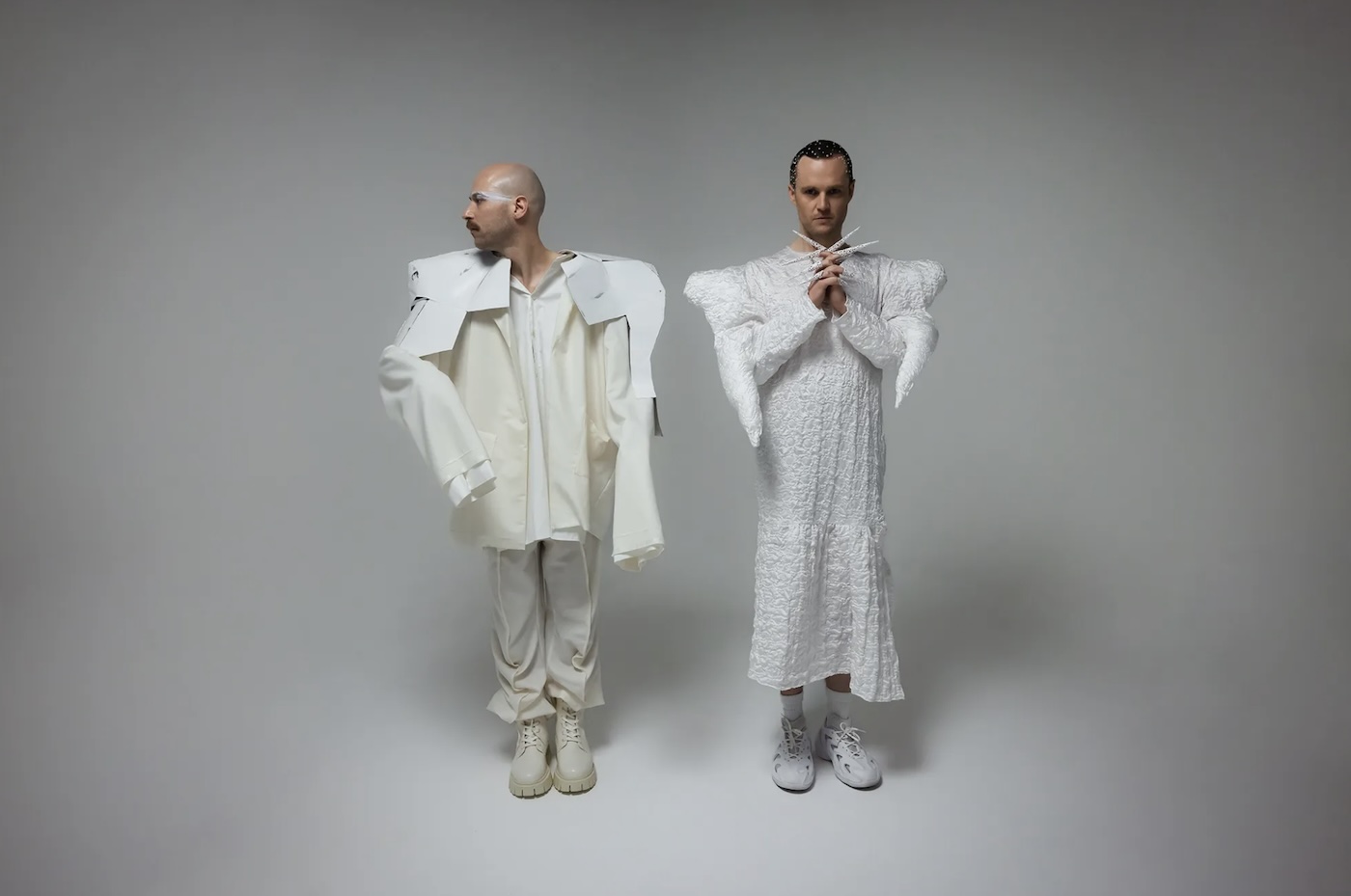
- Austrian band Lucy Dreams uses a specialized algorithm named Lucy that predates mass consumer tools like Suno AI
- The “Slow AI” approach treats technology as a bandmate while humans retain complete authorship
- This model avoids copyright issues by training exclusively on owned material
Bespoke Algorithm Predates ChatGPT Era Tools
Lucy Dreams built their artificial band member before Suno or ChatGPT existed. Lucy analyzes musical inputs and suggests melodic directions. The human members make every final decision.
This represents “Slow AI,” a philosophy where technology serves as a specialized collaborator rather than a replacement. The approach sidesteps the AI copyright ethics battles plaguing the industry.
Source Details the Human-Machine Partnership
The Music Ally Report describes Lucy as a closed-system tool that generates options while artists retain narrative control. The band treats cutting, shaping, and checking as true authorship.
Luminate Data shows streaming platforms receive over 120,000 daily uploads. Much of this content is generic slop. A Morgan Stanley report found 60% of young listeners engage with AI music, but they want compelling stories, not background noise.
Proprietary Tools Beat Generic Generators for Artists
The 1980s saw the Musicians’ Union History attempt to ban synthesizers. Hip-hop pioneers turned samplers into foundational instruments. History suggests AI will not replace musicians who maintain a distinct point of view.
Your opportunity: use ethical AI music tools to generate loops and stems. Own your model. Own your output. As Spotify’s AI policy tightens and AI music generators flood lower streaming tiers, human curation becomes your competitive edge.”
About the author

Covering AI music tools, industry shifts, and news for music creators and professionals. Twice-weekly newsletter at aimusicpreneur.com.