African musicians flag AI copyright blind spots that western debates are missing
My stack My fav 6 tools for AI music after testing 70+
-
 ElevenMusic · Music generation
 -
 Moises · Stem separation
 -
 Controlla · Voice swap & cloning
 -
 Cryo Mix · Mixing + mastering
 -
 Neural Frames · Music videos
 -
 ONCE · Distribution
Some links are affiliate links — I earn a commission at no cost to you. Every tool here is one I run myself and truly believe in. This stack is proven.
Key highlights
- South African copyright law protects recordings but not a musician’s voice frequency, vocal style, or recognizable timbre, leaving artists legally exposed to AI voice cloning.
- African artists face the same AI training data extraction as Western artists but without the emerging US or EU voice-protection frameworks to fall back on.
- Platform terms of service already permit AI training on uploaded music in many cases, creating an opt-in-by-default situation that inverts Creative Commons principles.
African artists face AI cloning with no legal recourse
OkayAfrica published a feature on April 27 gathering perspectives from African musicians on what AI is doing to their work and their rights. The piece surfaces a legal gap that most Western AI music debates have missed entirely.
South African copyright law protects recordings. It doesn’t protect a musician’s voice frequency, vocal style, or recognizable timbre. An AI system could clone a South African artist’s vocal identity in full and, under current local law, the artist would have no direct legal recourse. This gap exists while the US develops voice-protection frameworks like Tennessee’s ELVIS Act and the EU builds AI Act provisions that carry extraterritorial weight.
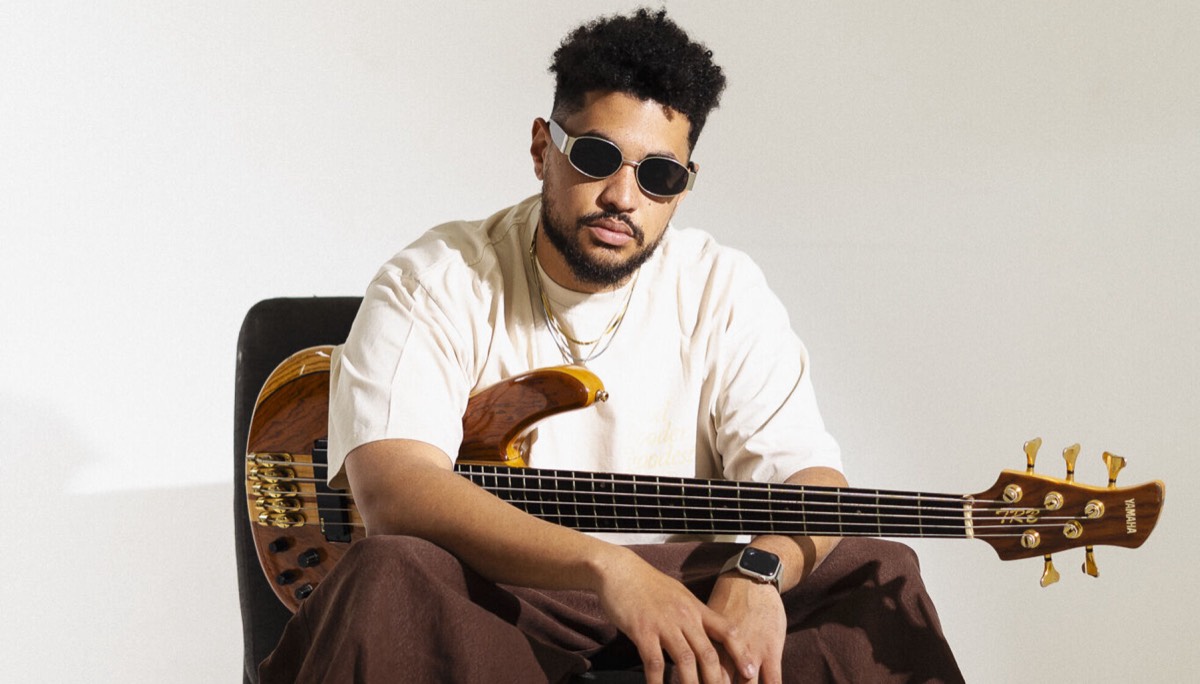
The OkayAfrica original report isn’t a panic piece. The artists quoted are measured. Benjamin Jephta, a South African bassist, says he’s “carefully optimistic” about AI working alongside live musicians. Siya Mthembu of The Brother Moves On argues the panic around AI is manufactured urgency driven by commercial interests. But Itai Hakim, a Johannesburg-based artist, lands the sharpest point: platform terms of service already permit AI training on uploaded music without artist compensation, effectively making opt-in sharing the default.
Extraction without compensation follows a familiar pattern
The takeaway: The AI training data debate in Africa isn’t new. It’s the same pattern that has defined the continent’s relationship with Western music platforms for decades.
The streaming era routed royalty payments through infrastructure built to systematically undervalue non-Western catalogs. Before that, decades of unauthorized sampling of African music by Western producers — from Paul Simon’s Graceland controversies to uncredited Afrobeat loops in electronic music — established extraction without compensation as the norm. AI training on publicly available African music catalogs continues that trajectory.
The economics make the stakes clear. The African music market generates an estimated $2–3 billion annually, with Nigeria, South Africa, and Kenya as primary markets. CISAC global report data shows sub-Saharan Africa accounts for less than 1% of global music rights revenue despite producing a significant share of culturally influential content. A CISAC estimate puts 25% of creators’ revenues globally at risk from AI by 2028. For African artists already operating on thin margins, that percentage hits harder.
The UK AI copyright fight that dominated headlines in March 2026 centered almost entirely on British and European creators. The Suno copyright fight is largely an American story. The indie AI lawsuit path requires legal infrastructure that artists in jurisdictions without voice protection can’t access in the same way.
Jurisdictional gaps create two-tier protection
AI companies training models on music from global catalogs face different legal exposure depending on where the original artist is based. An artist in the US or EU may have emerging voice-protection rights. An artist in South Africa, currently, doesn’t. This creates a two-tier system where African artists’ vocal identities are effectively open-source training material.
The South Africa Copyright Act framework hasn’t been updated to address these issues. The Copyright Amendment Bill has been stalled since 2019. The EU AI Act does carry extraterritorial provisions that could affect how AI companies handle content consumed within Europe, which means African artists whose music reaches European listeners may gain indirect protection through that route. But that’s a long way from targeted local legal cover.
The Tony Justice lawsuit model, where indie artists pursue class action without major label backing, requires the legal framework to exist in the first place. It doesn’t yet in most African jurisdictions.
What producers and artists working across African markets should do now
Audit your distribution agreements for AI training clauses. Standard contracts increasingly include broad data-use permissions that cover machine learning. If you uploaded music to any major platform in the last three years, the terms you agreed to likely include provisions you haven’t read.
Artists in jurisdictions without voice protection should explore trademark registration for distinctive vocal characteristics as a current workaround. It’s imperfect but provides one layer of defense. Producers working with African artists should push for explicit AI opt-out language in distribution deals now, before those deals become harder to renegotiate.
Frequently asked questions
Can AI legally clone an African artist’s voice?
Under South African copyright law as it currently stands, AI voice cloning of a musician’s style, timbre, or frequency pattern is not explicitly prohibited. The law protects recordings but not vocal identity itself. Artists have limited legal recourse compared to US states with laws like Tennessee’s ELVIS Act.
What did OkayAfrica’s report find about African musicians and AI?
OkayAfrica gathered perspectives from South African artists including Benjamin Jephta, Siya Mthembu of The Brother Moves On, and Itai Hakim. The consistent concern was not replacement but extraction: AI systems training on African music without compensation, and platform terms already permitting this by default.
How does the EU AI Act affect African artists?
The EU AI Act’s extraterritorial provisions apply to AI-generated content consumed within Europe. African artists whose music is streamed in EU countries may gain some indirect protection from these provisions, even without equivalent local legislation.
Why do African artists lack ELVIS Act-style voice protection?
South African copyright law protects recordings but not vocal style, timbre, or frequency, so there is no local equivalent to Tennessee’s ELVIS Act. The Copyright Amendment Bill has stalled since 2019, leaving African artists without the voice-cloning protection some US states now offer.
About the author

Covering AI music tools, industry shifts, and news for music creators and professionals. Twice-weekly newsletter at aimusicpreneur.com.