01
AI Music Newsletter
Every Wednesday, I share the latest AI music news and tools to help you stay up-to-date on industry trends and stay relevant in this very competitive music market.
Subscribe freeReady to join us?
Every week since 2023: the biggest AI music news, honest tool reviews, and step-by-step tutorials. Free newsletter, read by 2,000+ music professionals.
Trusted by industry leaders

About the founder
Christopher Wieduwilt
AI Music Educator & Journalist
I've been a musician for over 25 years — metal bands in Germany, a solo singer-songwriter project that toured the US coast to coast, 500,000+ plays on Myspace. Then Myspace crashed and I lost my entire fanbase overnight.
After that I worked inside the music industry for years on the business side: managing artists, working for record labels, organising concerts and festivals. Watched the same mistakes repeat on newer platforms.
In 2023, AI started reshaping everything: production, promotion, rights, revenue. I started covering it in August 2023, before Suno's public launch. 200+ stories since.
Today the site is read by 20,000 music professionals every month — Grammy-winning engineers, artists, and people inside Warner Music, AWAL, Believe, Songtradr, and UnitedMasters.
The Wednesday newsletter is where I go deeper: one news story, one tool tutorial, one promotion tip. Free.
How I can help
01
Every Wednesday, I share the latest AI music news and tools to help you stay up-to-date on industry trends and stay relevant in this very competitive music market.
Subscribe free02
My self-paced digital course "The AI Fanbase Builder" teaches you how to grow your audience, get attention on social media, build a newsletter, and monetize your fans.
View course03
Every Wednesday, 2,000+ music professionals trust my newsletter for AI insights and solutions. Place your brand where your ideal customers are already looking.
Book your sponsorship slotReader trust
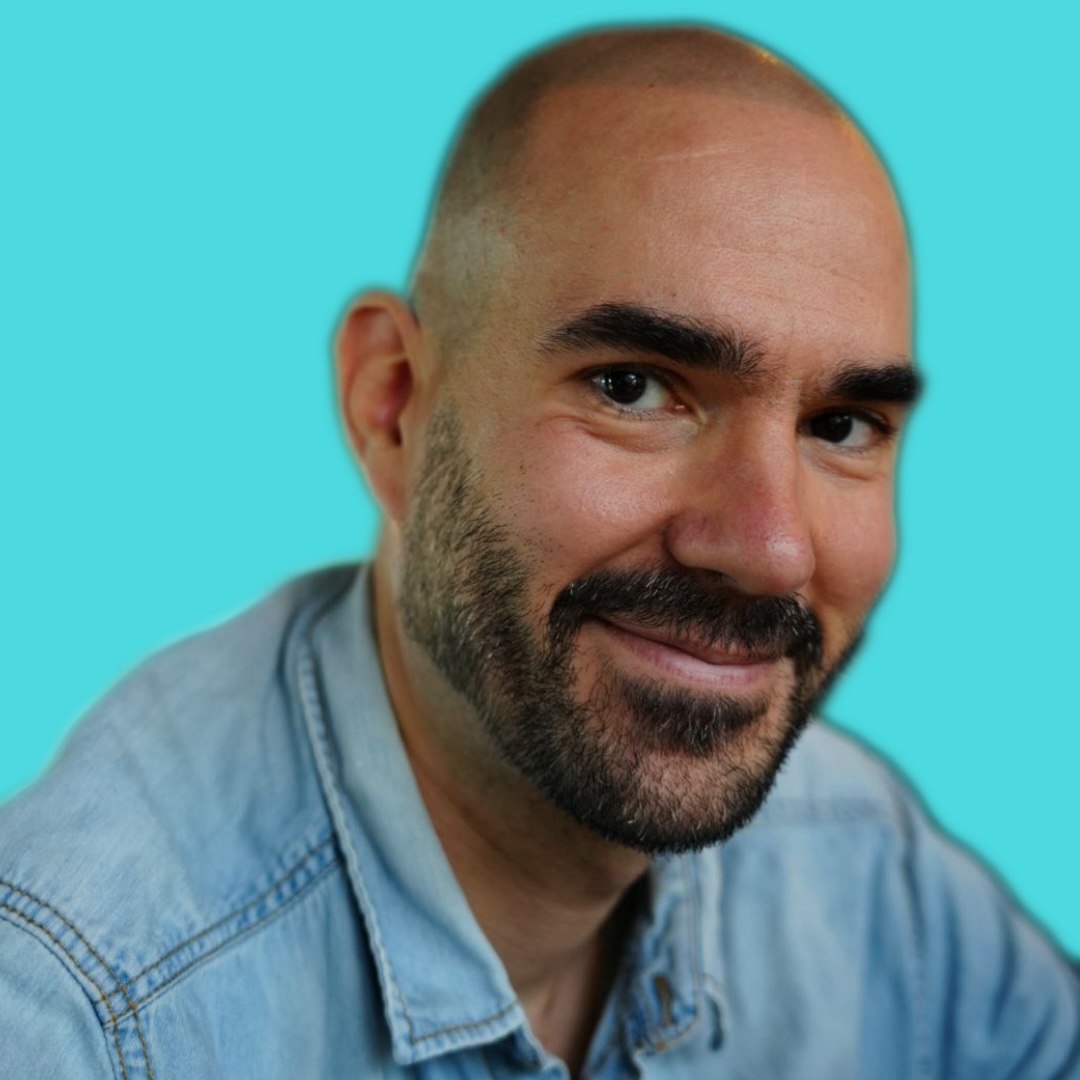
Chris will teach you how to use AI effectively to market your music, create content, and connect with your audience in ways you never imagined.
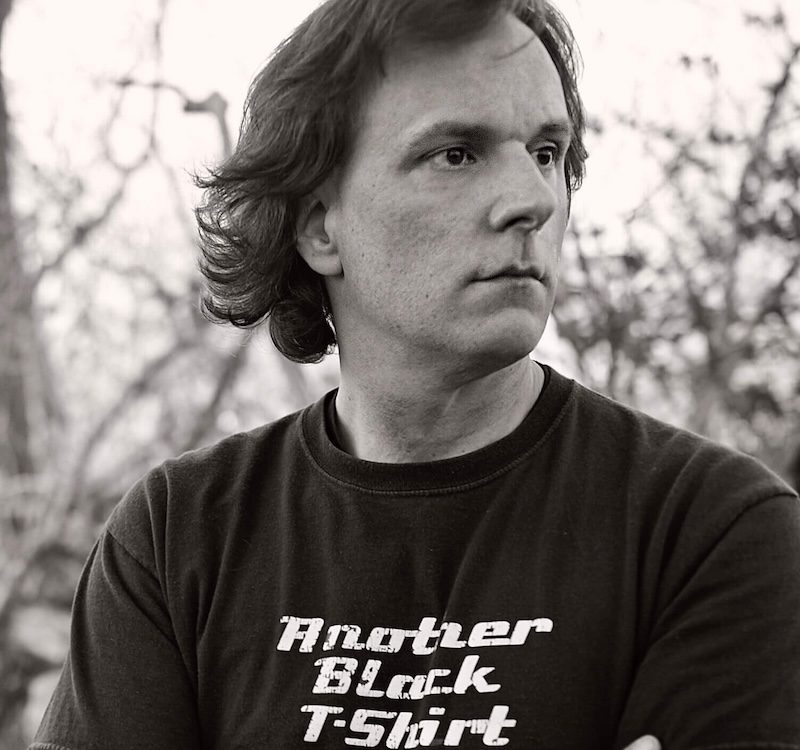
Mixing engineer (Ariana Grande, Aerosmith, KISS)
Christopher's AI Fanbase Builder course has completely changed the way I think about music promotion. He's my go-to for AI music developments and strategies, and his tools are an absolute game-changer for musicians.
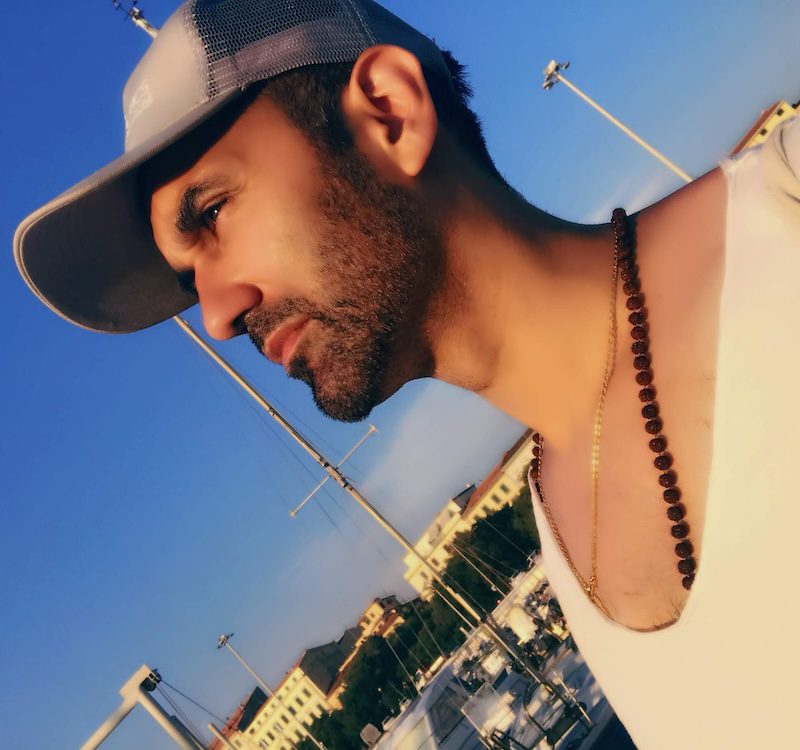
Music Producer (Shania Twain), DJ Swami
Chris has become a trusted source of what's new and relevant to music creators and, more importantly, how to put tools to work strategically to grow careers.
Former VP Marketing/Comm, Moises, Music.AI
What we cover
AI is reshaping the music industry — The AI Musicpreneur covers the latest AI music news every week.
Lawsuits, label deals, streaming policy shifts, AI artists landing on charts, and the tool launches working musicians need to know about.
You also get honest AI tool reviews and step-by-step tutorials for music production and music promotion. Every story focuses on what AI does to the music industry, and what this means for working artists, producers, and labels.
Read by 20,000 music professionals every month. Grammy-winning engineers, artists, and teams inside Warner Music, AWAL, Believe, Songtradr, and UnitedMasters. Running since August 2023, before Suno's public launch. 200+ stories published.
Tools coverage
There are hundreds of AI music tools out there. Most reviews tell you what a tool does. This site tells you whether it's worth your time.
The tutorials cover the full stack: AI song generation (Suno, Udio), stem separation (Audioshake, Lalal.ai), AI mixing and mastering (Cryo Mix, RoEx), voice cloning (Controlla, Kits AI), music video creation (Neural Frames, Runway, Pika), and promotion tools that move the needle for independent artists. Browse the best AI tools for music in one place, organized by what you're trying to do.
Newsletter
The AI music newsletter goes out to 2,000+ music industry professionals every week. Artists, managers, label staff, and AI music tech founders.
Each issue covers the week's biggest AI music news, a tool tutorial with step-by-step instructions, and a promotion tip you can run before Friday. Free to subscribe. No upsell on the first email.
Frequently asked
General outlets (Billboard, MBW) cover AI music when it's a major story. The AI Musicpreneur covers it every week, including smaller tool launches, policy changes, and industry moves that don't make mainstream headlines. If AI in music is your focus, a specialist source tracks it more completely.
The strongest AI music news coverage today comes from a small set of specialist sources. Music Business Worldwide and Music Ally cover the major label and policy stories. Hypebot covers the indie market. The AI Musicpreneur covers AI in music exclusively, every week, with honest tool reviews and step-by-step tutorials for working artists, producers, and labels. Pick the source matching your role.
It depends on what you're making. For song generation: Suno and Udio. For stem separation: Moises and Lalal.ai. For AI mixing and mastering: tools from iZotope, Waves, and LANDR. The AI tools directory covers the best AI tools by category. The AI music tools news section goes deeper: honest reviews, step-by-step tutorials, and practical guidance on how to use each one.
My article on What is AI music covers this in full: how AI models are trained on audio, what generation tools can and can't do, and where the copyright questions stand.
The short answer is no, but the longer answer matters more. Will AI replace musicians breaks down what AI can produce, what it can't, and where human artists still have ground that's hard to take.
Practice is shifting. The US Copyright Office has ruled that purely AI-generated output doesn't qualify for copyright protection. Is AI music copyrighted covers the current legal position, the active lawsuits, and what this means for artists using AI tools in their work.
The AI Musicpreneur newsletter goes out every Wednesday. It covers AI music news, tool tutorials, and promotion strategies. Read by 2,000+ music industry professionals. Free to subscribe.
Traditional DAWs give you full control with a steep learning curve. AI tools give you fast results with less manual work, but trade off some control. Most professional workflows now combine both — AI tools for ideation, stem separation, and mastering; the DAW for arrangement and final production decisions.
The Workshop, every Wednesday: a hands-on tutorial for one AI tool that helps you produce or promote your music. The Briefing, every Friday: only the AI music news worth your time.