Key highlights
- ElevenLabs launched the Music Marketplace on March 19, 2026, inside ElevenCreative. AI creators publish tracks generated with Eleven Music and earn when buyers purchase commercial licenses.
- Payout tiers are Social Media, Paid Marketing, and Offline. Creators receive USD via Stripe Connect or ElevenLabs credits. No fixed payout percentage is published.
- AI-generated music holds no copyright protection under US law. Creators publish under zero exclusivity and carry all legal liability themselves.
ElevenLabs already paid $11 million to voice creators
ElevenLabs’ Voice Marketplace has paid out over $11 million to voice creators. The company is running the same model for music: generate a track with Eleven Music, publish inside ElevenCreative, and earn when buyers license it for commercial use.
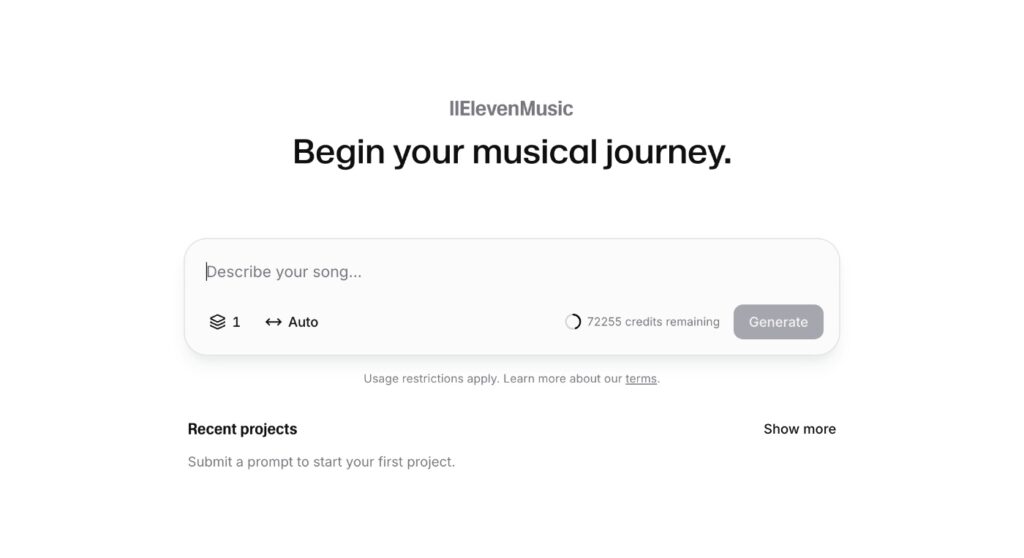
The Marketplace launched March 19, 2026. Since Eleven Music went live in August 2025, creators have generated 14 million songs on the platform. Producer Patrick Jordan-Patrikios, known for work with Sia, Nicki Minaj, and Britney Spears, is among the first creators listed. His statement: “This is where the music economy is heading, and I’m proud to be part of what comes next.”
Three license tiers and a Stripe payout structure
Buyers choose a license based on intended use. Social Media covers YouTube, podcasts, and social posts. Paid Marketing covers ads and sponsored content. Offline covers events, installations, and anything not covered by the first two.
ElevenLabs calculates your payout based on the buyer’s subscription tier and the credits used for the purchase. No fixed percentage split has been published. Payments go out in USD via Stripe Connect or in ElevenLabs credits. For scale, top Voice Marketplace creators currently earn around $4,000 per month, per TechCrunch’s Eleven Music coverage from August 2025.
Licensed training data is the competitive moat
The takeaway: Eleven Music was trained on licensed data from Kobalt and Merlin before the product launched, which is what makes a commercial marketplace viable where Suno and Udio face active lawsuits.
 Credit Entertainmentbusinessnl
The Udio Merlin deal arrived after legal pressure had already started. ElevenLabs built the licensing foundation first. Google’s Gemini Lyria 3 music model follows the same pre-cleared structure. Two platforms with licensed training data and 14 million tracks already generated marks the start of licensed AI music as a distinct commercial category.
The ElevenLabs $500M funding round at an $11 billion valuation gives the company the infrastructure to scale this marketplace. The IFPI 2026 music report puts the market these tracks are entering at $31.7 billion in global recorded music revenues in 2025.
What creators should know before publishing
The US Copyright Office confirms that purely AI-generated works without sufficient human authorship do not qualify for copyright registration. When you publish on the Music Marketplace, you own nothing in the legal sense. ElevenLabs’ own terms provide zero exclusivity, meaning two creators using similar prompts would produce identical tracks, and all legal liability falls on you.
The Decoder’s analysis frames it plainly: you are selling music you do not own. The model works for creators who treat it as passive licensing income, not as catalog building. China Styles built 22 million AI-generated streams into a record deal through a completely different route, one built on audience and label attention, not commercial licensing.
The Suno open access debate is a useful reminder that platform policies change. Any income built on a single marketplace carries concentration risk, regardless of how well the payout structure is built at launch.
Frequently asked questions
Can ElevenLabs users make money from AI music?
Yes. The ElevenLabs Music Marketplace launched March 19, 2026, inside ElevenCreative. Creators publish tracks made with Eleven Music and earn payouts when buyers purchase commercial licenses. Payments go out in USD via Stripe Connect or in ElevenLabs credits.
What is the ElevenLabs Music Marketplace?
It is a licensing library inside ElevenCreative where AI song creators publish tracks for commercial use. Buyers license tracks across three tiers: Social Media, Paid Marketing, and Offline. The model mirrors ElevenLabs’ Voice Marketplace, which has paid out over $11 million to voice creators.
Do creators own the music they sell on ElevenLabs?
No. The US Copyright Office confirms AI-generated works without human authorship do not qualify for copyright protection. ElevenLabs’ terms also provide zero exclusivity, so two creators using similar prompts would generate identical tracks. All legal liability sits with the creator, not with ElevenLabs.
How is ElevenLabs different from Suno and Udio for music?
ElevenLabs trained Eleven Music on licensed data from Kobalt Music and Merlin before the product launched. Suno and Udio launched without pre-cleared training data and now face active copyright lawsuits from major labels. The pre-cleared foundation is what makes ElevenLabs’ commercial marketplace viable right now.”