
YouTube partners with CAA to fight AI deepfakes – here’s what you need to know
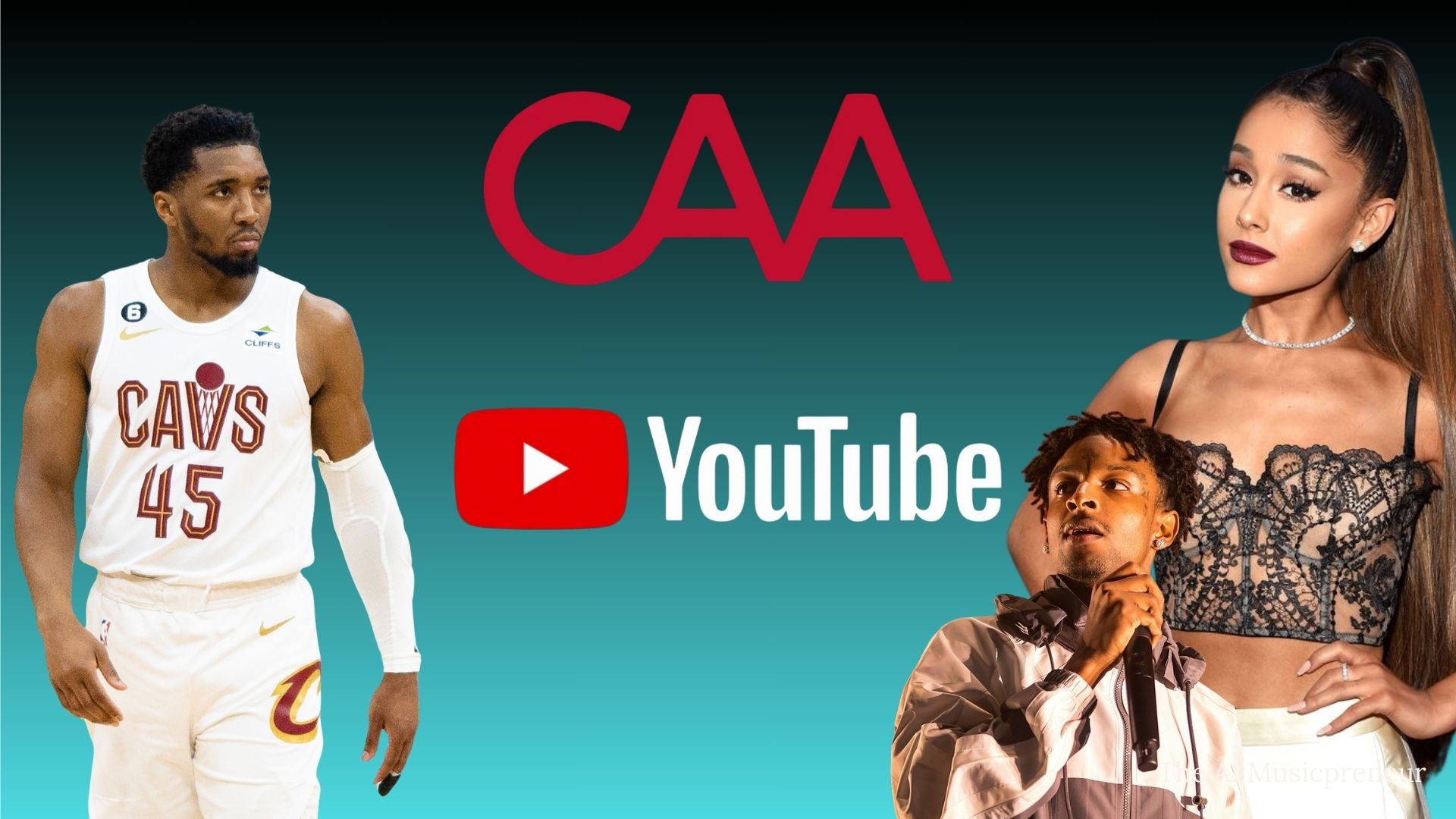
YouTube has announced a strategic partnership with Creative Artists Agency (CAA) to develop and test new AI detection tools that will help talent identify and remove unauthorized AI-generated content featuring their likeness.
As AI-generated deepfakes become increasingly sophisticated and prevalent across social media platforms, content creators and public figures face growing challenges in managing their digital presence. This initiative comes at a crucial time when the entertainment industry is grappling with unauthorized AI replications of talent.
KEY POINTS
- YouTube and CAA are collaborating on early-stage technology for AI-generated content detection
- The tool will help identify and manage content featuring talent’s likeness
- Initial testing will begin in early 2025 with CAA talent, including actors and athletes
- The platform will streamline the privacy complaint process for unauthorized AI content
DETAILS
The partnership focuses on developing technology that will:
- Identify AI-generated content featuring talent’s likeness
- Provide streamlined access to privacy complaint submissions
- Include feedback from CAA talent to refine detection systems
- Initially test with select CAA clients, including NBA and NFL athletes
Neal Mohan, YouTube’s CEO, states: “At YouTube, we believe that a responsible approach to AI starts with strong partnerships. We’re excited to collaborate with CAA, an organization that shares our commitment to empowering artists and creators.“
Bryan Lourd, CEO & Co-Chairman of CAA, adds: “Our AI conversations are centered around ethics and talent rights, and we applaud YouTube’s leadership for creating this talent-friendly solution, which fundamentally aligns with our goals.“
This partnership represents a significant step in addressing the growing concerns around AI-generated content and talent rights protection. As the landscape of AI voice technology evolves rapidly, our recent exploration of Joe Biden’s proposed ban on AI voice impersonation revealed the complex balance between protecting artists and fostering innovation in the creative space.
YouTube will begin testing the likeness management technology with CAA talent in early 2025, marking the first phase of a broader testing effort. The platform plans to use the feedback from this initial group to enhance and refine the tools before potential wider deployment. This development mirrors historical patterns we’ve observed in how the music industry survived disruptive technologies, though AI presents unique challenges that may require more sophisticated solutions.
The rise of AI-generated content has created new challenges for talent rights management. While examining AI voice cloning tools, I discovered that emerging technologies like Voice-Swap and Kits.AI are setting new standards for ethical AI voice generation with built-in copyright protection measures. This partnership represents one of the first major initiatives by a content platform to address these concerns systematically, potentially reshaping how we approach digital rights management in the age of AI.
About the author

Covering AI music tools, industry shifts, and news for music creators and professionals. Twice-weekly newsletter at aimusicpreneur.com.


