Music professionals need proven technology and tactics to protect their likeness from AI deepfakes.
The Taylor Swift deepfake incident exposed how vulnerable artists of this generation are to AI abuse. Grok AI generated explicit content without prompts, spreading across social media platforms within hours. Swift’s team responded with legal precision that independent artists need to understand.
These tactics work for any musician facing deepfake threats. Here are 9 strategies Taylor Swift’s team uses or could use that help you protect your own likeness and career.
JUMP LINKS:
The 9 Protection Tactics That Shield Your Likeness From AI Abuse
Swift’s legal team moves fast when deepfakes surface. Their approach combines immediate takedowns with long-term legal strategy. Whether you’re an independent artist or signed to a label, these methods scale to your situation.
 Credit: AI-generated by Ideogram
Speed matters more than perfection when deepfakes go viral. Swift’s team files takedown requests within hours of discovery.
The DMCA covers your likeness when used without permission. Most platforms honor valid takedown requests within 24-48 hours. Your goal is stopping spread before content gains traction.
Here’s what to include in your takedown notice:
- Your contact information and legal name
- Specific URLs where the deepfake appears
- Statement that you own rights to your likeness
- Good faith belief that use is unauthorized
- Physical or electronic signature
Pro tip: Create a template notice before you need it. When deepfakes surface, you want to act within the first few hours.
Example: Sony Music filed 75,000 takedowns of AI-generated content in 2024 alone. Their rapid response system processes requests in under 2 hours.
2. Register Trademark Protection For Your Name And Likeness
 Credit: AI-generated by Ideogram
Taylor Swift owns trademarks on her name, images, and even song lyrics. This gives her legal standing to challenge unauthorized use.
Trademark registration costs $250-$750 per class through the USPTO, and it also covers the use of images in association with your brand. You need separate filings for different uses like music, merchandise, and entertainment services.
The process takes 8-12 months but provides nationwide protection.
Key trademark categories for musicians:
- Entertainment services (Class 41)
- Sound recordings (Class 9)
- Clothing and merchandise (Class 25)
- Online content and streaming (Class 38)
Your trademark becomes stronger with consistent use and enforcement. Document every instance where you use your name commercially.
Quick rule: File for trademark protection before you need it. Once deepfakes surface, registration becomes reactive instead of proactive.
3. Build A Rapid Response PR Strategy
 Credit: AI-generated by Ideogram
Swift’s team controls the narrative when deepfakes and pornography deepfakes appear. They issue statements within hours, not days.
Your PR response needs three elements: acknowledgment, condemnation, and action. Acknowledge the fake content exists. Condemn the violation of your rights. Announce specific steps you’re taking.
Practical steps to deploy this fast:
- Draft template statements for different scenarios
- Identify which social media platforms you’ll use first
- Designate who speaks for your team
- Prepare talking points for media interviews
The ELVIS Act gives artists new legal grounds to challenge deepfakes. Reference current legislation in your statements to show you understand your rights.
Pro tip: Frame deepfakes as a threat to all artists, not just yourself. This builds industry support and media sympathy.
4. Document Everything For Legal Evidence
Swift’s legal team could maintain detailed records of every deepfake incident. This documentation becomes crucial evidence in court proceedings.
Screenshot every instance before platforms remove content. Save URLs, timestamps, and user information. Record how widely the content spread and who shared it.
Here’s your evidence collection checklist:
- Original deepfake content with metadata
- Platform where it appeared and user who posted
- Number of views, shares, and comments
- Any commercial use or monetization
- Your attempts to contact the creator
- Platform responses to your reports
Store images and evidence in multiple locations with backup copies. Courts require original files with intact metadata to verify authenticity.
Example: The Megan Thee Stallion deepfake case shows how proper documentation helps build stronger legal arguments against deepfake creators.
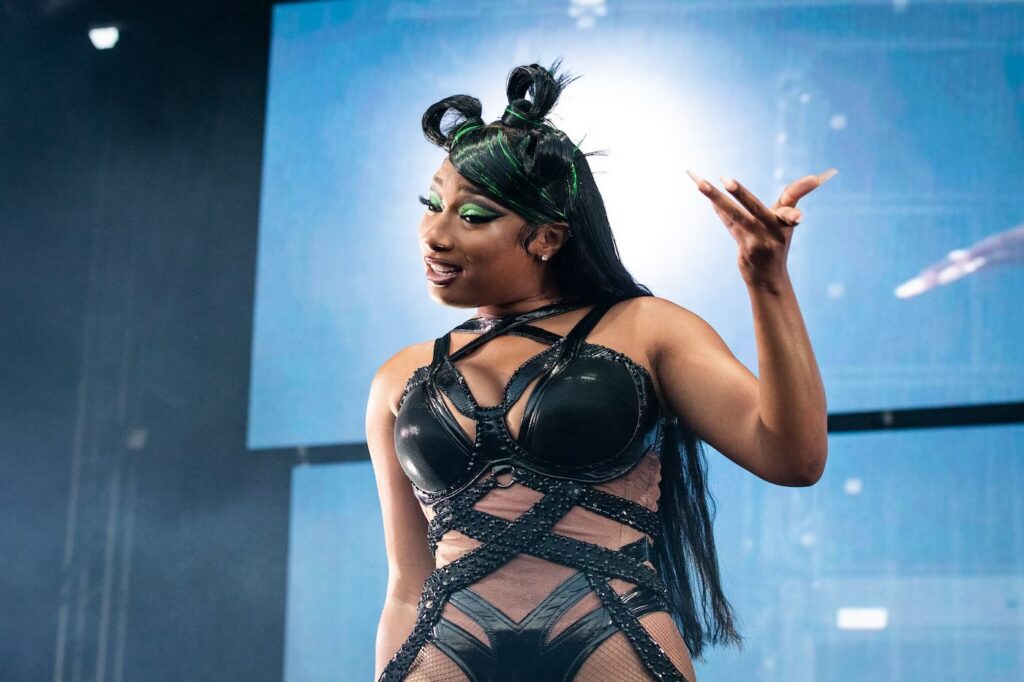 Foto: Eskil Olaf Vestre, NRK P3
Each social platform has different deepfake policies and reporting mechanisms. Swift’s team knows exactly which forms to use on each site.
YouTube partners with Creative Artists Agency on deepfake detection tools. Their reporting system prioritizes celebrity and artist complaints. TikTok has specific categories for synthetic media violations.
Platform-specific reporting strategies:
- Instagram: Use “Impersonation” and “Intellectual Property” categories
- Twitter/X: File under “Synthetic and Manipulated Media” policy
- YouTube: Select “Privacy” then “Non-consensual intimate imagery”
- TikTok: Choose “Synthetic media” under Community Guidelines
Each platform responds differently to reports. YouTube typically acts within 24 hours. TikTok reviews can take 3-5 days. Twitter responses vary widely.
Quick rule: Always use the platform’s official reporting tools first. This creates an official record of your complaint.
6. Send Cease And Desist Letters To Creators
Swift’s lawyers send formal cease and desist letters to deepfake creators and distributors. These letters often resolve issues without court action.
Your cease and desist letter needs specific legal language. Include your trademark registrations, copyright claims, and state law violations. Demand immediate removal and promise legal action if they refuse.
Essential elements for your letter:
- Clear identification of the infringing content
- Legal basis for your claims (trademark, copyright, publicity rights)
- Specific demands (remove content, stop distribution)
- Deadline for compliance (typically 10-14 days)
- Consequences for non-compliance
Many creators comply immediately when they receive formal legal notices. The cost of defending a lawsuit outweighs any benefit from keeping deepfakes online.
Pro tip: Send letters via certified mail and email to ensure the creator of the generation received your demands.
7. Pursue Federal Court Injunctions
When other tactics fail, Swift’s team could seek emergency court orders to stop deepfake distribution. Federal courts sometimes move quickly on these requests.
Preliminary injunctions require four elements: likelihood of success, irreparable harm, balance of hardships, and public interest. Deepfakes typically meet all four standards.
Your injunction request should target:
- The original creator of the deepfake content
- Platforms hosting the material
- Anyone commercially benefiting from distribution
Courts often grant temporary restraining orders within 24-48 hours. These immediately stop further distribution while your case proceeds.
The NO AI Fraud Act provides new federal remedies for deepfake victims. This strengthens your position in federal court.
Example: This year has already seen 179 documented cases of deepfake images and videos -surpassing all of 2024’s total incidents. Last year’s count of 150 represented a dramatic spike, climbing more than two and a half times above 2023 levels.
Elon Musk appeared in 25% of all deepfake content, resulting in billions in fraud losses, while Taylor Swift ranked as the second-most targeted celebrity, including deepfake pornography. Other frequent victims included Tom Hanks, Kanye West, Emma Watson, and Brad Pitt across various platforms.
8. Coordinate With Other Affected Artists
Swift’s team could work with other artists facing similar deepfake attacks. Coordinated responses carry more weight with platforms and lawmakers.
Joint legal actions reduce costs and increase media attention. When multiple artists file similar complaints, platforms prioritize responses. Lawmakers pay attention to industry-wide problems.
Ways to coordinate your response:
- Share information about deepfake creators and distributors
- File joint complaints with platforms
- Issue coordinated public statements
- Pool resources for legal action
Industry organizations like the Recording Industry Association provide coordination support. They maintain databases of known deepfake creators and effective response tactics.
Pro tip: Connect with artists who faced similar attacks. Their experience saves you time and money on legal strategy.
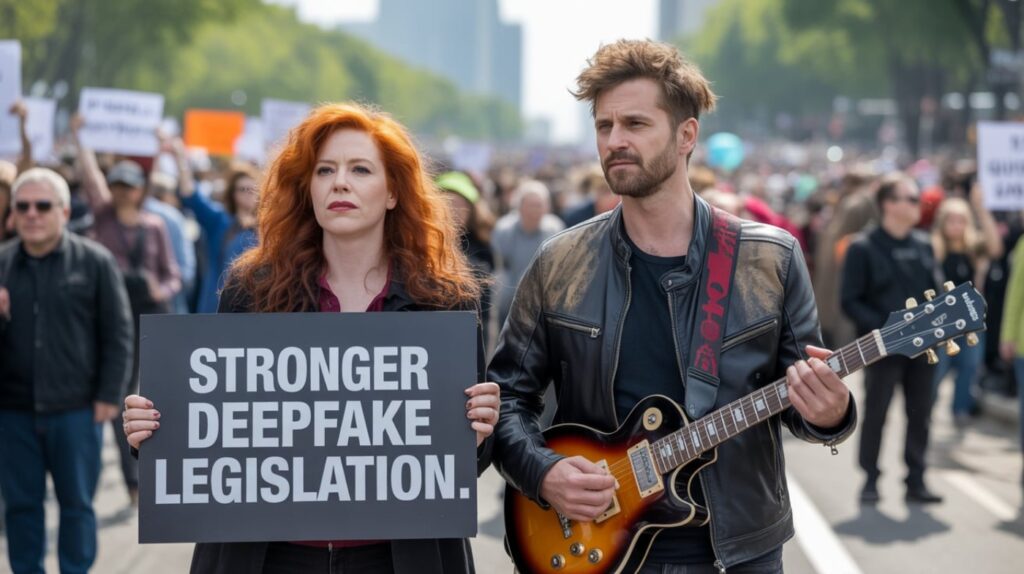
9. Lobby For Stronger Deepfake Legislation
 Credit: AI-generated by Ideogram
Taylor Swift and her team actively support new laws targeting artificial intelligence abuse. The Taylor Swift deepfake incident could spark congressional hearings on deepfake regulation.
Current federal law has gaps that deepfake creators exploit. New legislation would create specific criminal penalties and civil remedies for AI abuse.
Key legislative priorities for artists:
- Criminal penalties for non-consensual deepfakes
- Civil remedies with statutory damages
- Platform liability for hosting deepfake content
- International cooperation on enforcement
Contact your representatives about deepfake legislation. Personal stories from affected artists influence lawmakers more than industry lobbying.
Your voice matters in shaping future deepfake laws. The more artists speak up, the stronger protection becomes.
Quick recap of the key takeaways:
- File DMCA takedowns within hours of discovery
- Register trademarks before you need protection
- Control the narrative with rapid PR response
- Document everything for legal evidence
- Use each platform’s specific reporting tools
- Send formal cease and desist letters
- Seek emergency court injunctions when needed
- Coordinate with other affected artists
- Support stronger deepfake legislation
Which tactic will you implement first to protect your likeness?