How SZA’s producer turned a 1998 Ol’ Dirty Bastard VHS tape into “Forgiveless”
My stack My fav 6 tools for AI music after testing 70+
-
 ElevenMusic · Music generation
 -
 Moises · Stem separation
 -
 Controlla · Voice swap & cloning
 -
 Cryo Mix · Mixing + mastering
 -
 Neural Frames · Music videos
 -
 ONCE · Distribution
Some links are affiliate links — I earn a commission at no cost to you. Every tool here is one I run myself and truly believe in. This stack is proven.
Key Takeaways
- Archive everything: Today’s forgotten recordings could become tomorrow’s chart-toppers
- Technology enables creativity: AI tools like AudioShake can extract value from previously unusable sources
- Vision trumps perfection: Raw, authentic material often connects better than polished studio recordings
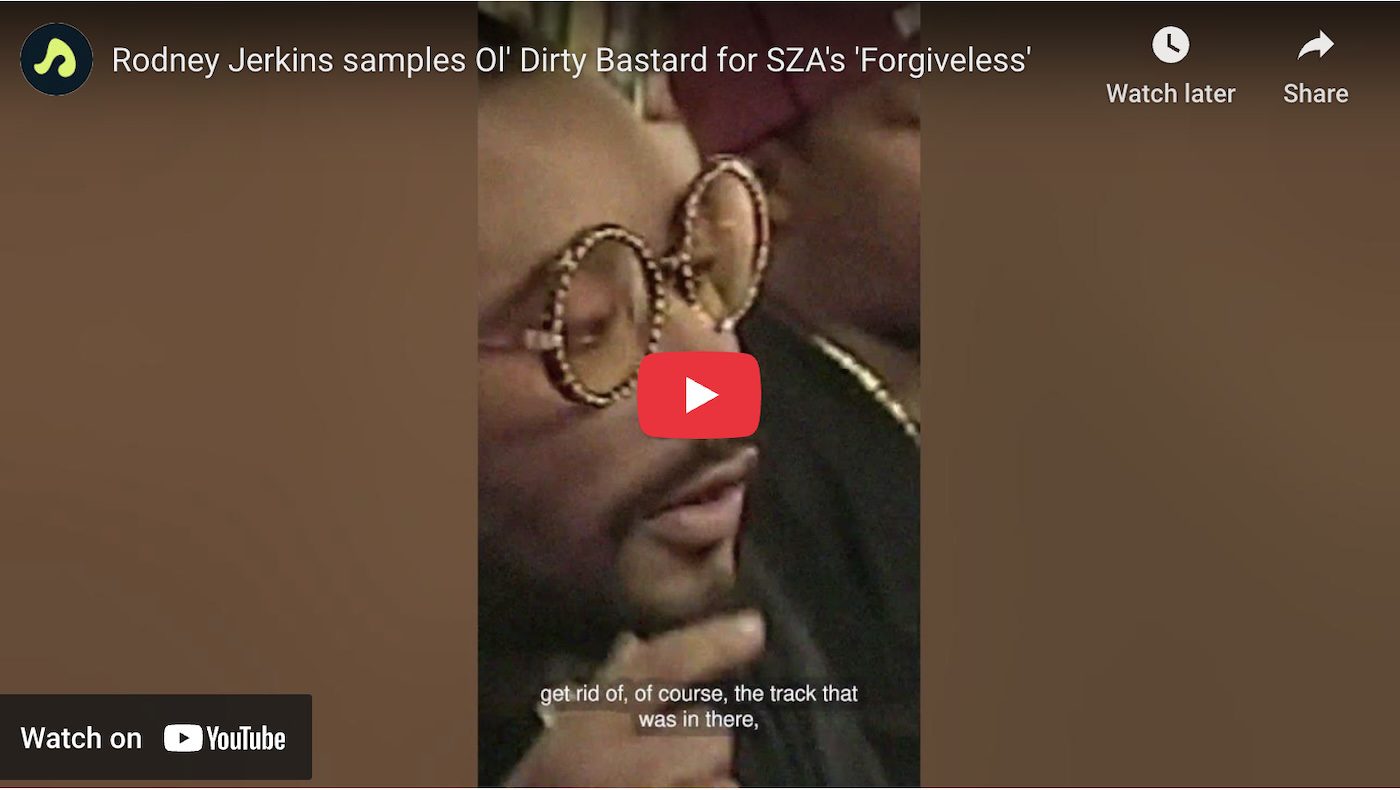
Grammy-winning producer Rodney “Darkchild” Jerkins was going through old footage for a documentary when he found something unexpected: a grainy 1998 VHS recording of Ol’ Dirty Bastard freestyling in his studio. Most people would have tossed it aside as old junk, but Jerkins saw potential.
That forgotten tape became the foundation for “Forgiveless,” the closing track on SZA’s number-one album SOS. Using AudioShake’s AI stem separation tech, Jerkins pulled ODB’s vocals from the decades-old tape and worked them into a modern production.
“He was in my studio and I didn’t have a session with him, he just was passing through and he just started rapping about a hundred bars,” Jerkins told Rolling Stone.
The challenge wasn’t just finding the right sample—it was getting clean vocals from noisy VHS audio that already had backing tracks mixed in. Modern AI stem separation tools like AudioShake solved this problem by pulling clean vocal elements from the analog recording.
This story goes beyond just cool technology—it shows how smart producers can turn old stuff into hits, similar to what we’ve seen with other AI music production projects like The Beatles’ “Now and Then”.
The Beatles used AI stem separation to isolate John Lennon’s vocals from a decades-old demo cassette, creating their first AI-assisted Grammy-nominated song. The same technology is now being considered for potentially two more Beatles tracks that could get similar AI treatment. While most of the music industry focuses on buying the newest equipment, Jerkins did something different.
He looked at what he already had and found a way to use it. “Forgiveless” proves that you don’t need the most expensive gear to make something great—you just need to spot the good ideas hiding in your old files.
If you’re a producer with boxes of old tapes or hard drives full of forgotten sessions, ask yourself this: what could you do with that material if you had the right tools to clean it up.
About the author

Covering AI music tools, industry shifts, and news for music creators and professionals. Twice-weekly newsletter at aimusicpreneur.com.