Spotify’s Prompted Playlists rolled out to Premium subscribers in the US and Canada. This feature lets you describe what you want to hear in your own words. The AI then builds a playlist based on your request, your listening history, and real-time music trends.
For musicians and music creators, this shift changes how listeners find your music. Understanding these seven capabilities helps you position your catalog for the new discovery era.
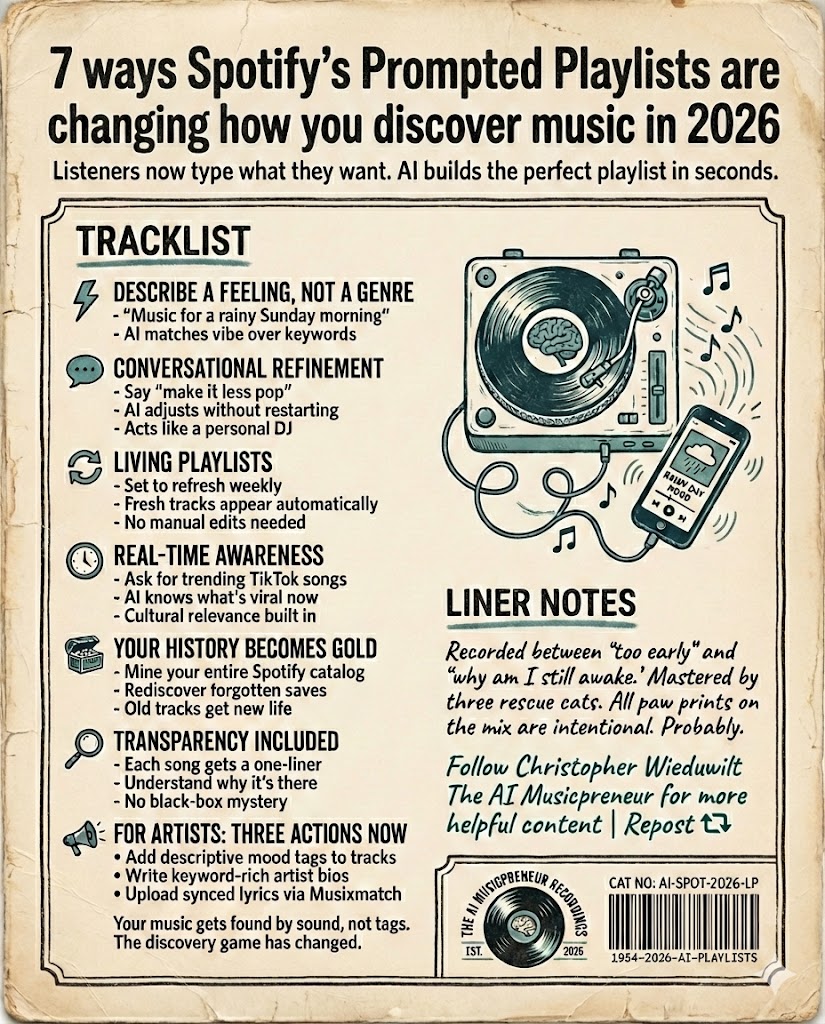
1. Semantic Vibe Replaces Keyword Search:
Traditional search required exact terms. You typed “80s Rock” and got results tagged with those words. Prompted Playlists work differently.
The system uses Text2Tracks generative retrieval to interpret abstract concepts. You describe a feeling. The AI translates it into acoustic attributes like tempo, key, and timbre.
Here is what this means for discovery:
- A prompt like “music that feels like a cold winter morning in Berlin” finds matching tracks without explicit tags
- The AI achieved 127% better accuracy than traditional retrieval methods in Spotify’s research
- Songs get matched by sonic profile, not metadata labels
Pro tip: Your track does not need a “winter” tag to appear in winter-themed playlists. The AI analyzes the audio itself and matches it to the described mood.
This approach solves a long-standing problem. An early version of Spotify AI playlists relied on simpler keyword-to-genre mapping. The 2026 version interprets full sentences and emotional states.
2. Your listening history becomes a discovery tool:
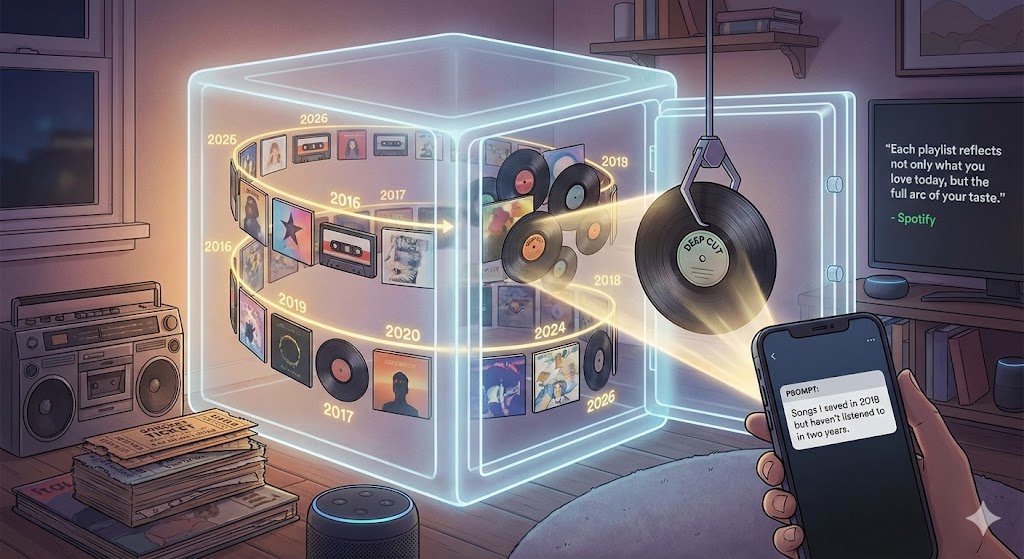
Prompted Playlists tap into your entire Spotify history. Not recent plays. Everything since you joined.
Spotify’s official announcement confirms that “each playlist reflects not only what you love today, but the full arc of your taste.”
You can issue prompts that mine your personal catalog:
- “Songs I saved in 2018 but haven’t listened to in two years”
- “Deep cuts from my top artists”
- “Tracks I loved but forgot about”
This turns the algorithm into a re-discovery engine. Listeners reconnect with music they already saved but stopped playing.
Example: A user in New Zealand during the beta test asked for “songs tied to specific moments, like late nights during the winter, while filtering out tracks they’ve overplayed recently.”
For artists, this means older catalog tracks get new exposure. A fan who saved your song three years ago might rediscover it through a nostalgia-focused prompt.
3.Real-Time cultural awareness shapes results:
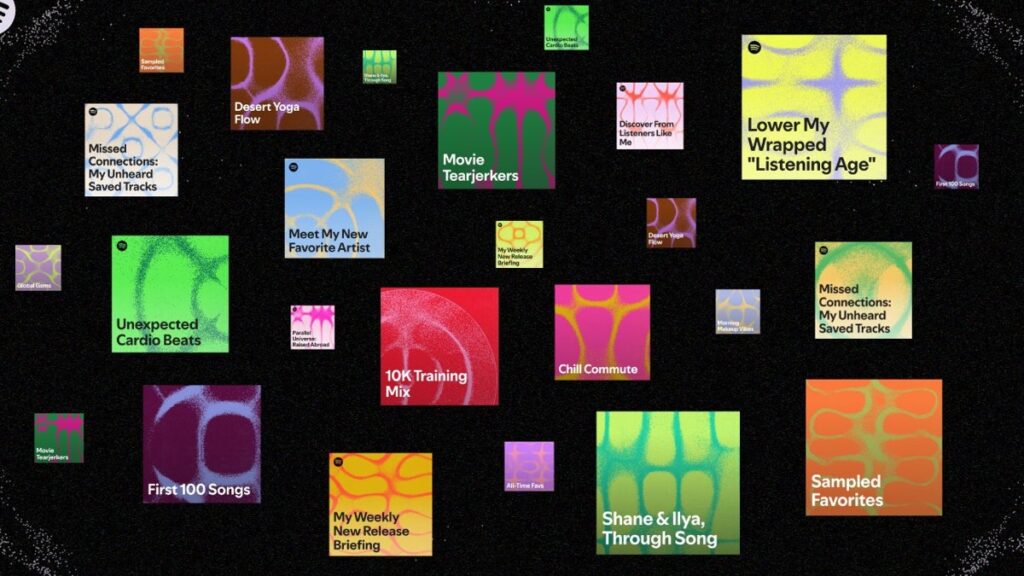 Credit: Spotify
The AI connects to what Spotify calls a “cultural knowledge graph.” It understands references beyond music.
You can ask for “songs trending on social media right now” or “tracks featured in recent hit reality TV shows.” The system knows which songs appeared in specific cultural moments.
Spotify’s promotional materials highlight this capability with example prompts like “”mood-boosting indie-pop for getting ready to go out with friends including songs recently featured on hit competition and reality shows.”
This feature bridges pop culture and audio discovery:
- Sync placements in TV shows become discovery triggers
- Viral moments on social platforms feed into recommendations
- Chart performance and trending data inform results
Spotify’s AI Playlist beta is expanding — and it’s going head-to-head with YouTube’s Ask Music feature, which offers similar cultural awareness.
4. Living Playlists Update Automatically:
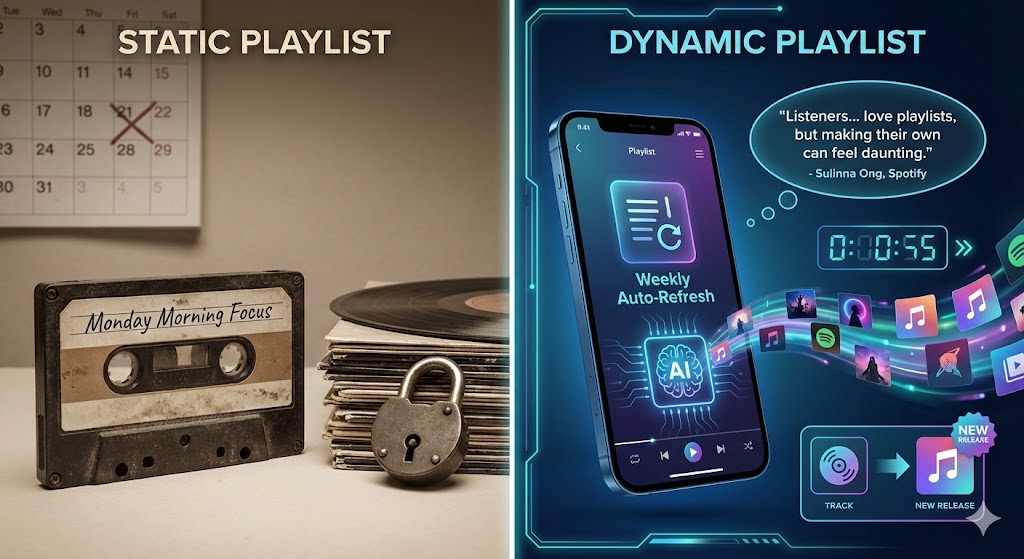
Traditional playlists stayed static. You made them once. They never changed unless you edited them manually.
Prompted Playlists introduce auto-maintenance. You set a playlist to refresh daily or weekly. The AI swaps tracks based on new releases and your evolving taste.
Sulinna Ong, Spotify’s Global Head of Editorial, explained the thinking: “We hear from listeners all the time that they love playlists, but making their own can feel daunting.”
Here is how dynamic refresh works:
- Create a prompt for “Monday morning focus music”
- Set it to refresh weekly
- The AI updates the tracklist every week with fresh selections
Pro tip: This feature creates ongoing discovery opportunities for your music. A track that fits a popular prompt type gets served repeatedly to different users as their playlists refresh.
Spotify’s algorithm control puts real power in the listener’s hands, without sacrificing freshness.
5. Explanatory notes reveal selection logic:
Algorithmic playlists like Discover Weekly never explained their choices. You got songs without knowing why.
Prompted Playlists include a one-liner note for every track. Each note explains the selection logic.
A note might read: “Added because it matches the high-tempo indie vibe you requested and is similar to Artist X you listen to.”
This transparency feature addresses the “black box” problem:
- Users understand why specific songs appear
- Trust builds between listener and AI
- Artists see how their music gets categorized
The feature is currently in beta. Spotify says “every song includes a quick one-liner that tells you exactly why it landed in your playlist.”
Music streaming algorithm bias research examines how recommendation systems favor certain artists. Explanatory notes give users visibility into these patterns.
6. Conversational refinement Mimics a Human DJ:
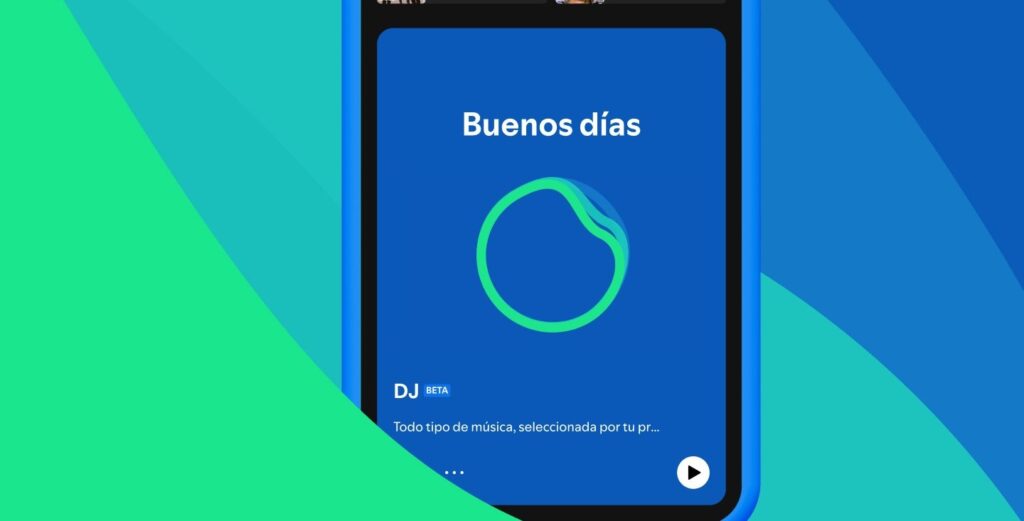
Discovery is no longer a single query. You can refine results through follow-up prompts.
If the initial playlist misses the mark, you adjust it:
- “Make it less pop and more instrumental”
- “Remove the slow songs”
- “Add more tracks from the 90s”
The system maintains context from your previous request. It adjusts the output without starting over.
LLM-based conversational music recommendation research shows how systems like TalkPlay integrate multiple retrieval methods for this kind of dialogue.
This changes playlist creation from passive consumption to active collaboration:
- You shape the results in real time
- The AI learns your preferences through the conversation
- Each refinement improves future recommendations
YouTube AI DJ playlist feature offers similar real-time adjustments, showing this is becoming an industry standard.
7. Scenario-Based Prompts Match Activity Arcs:
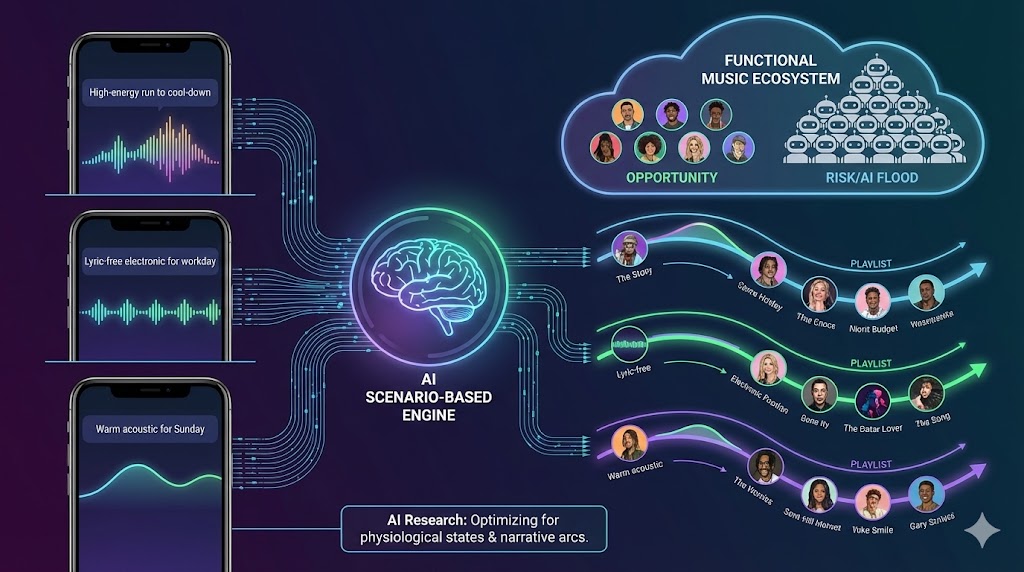
The system handles “functional music” requests. These are prompts tied to specific activities or physiological states.
Instead of browsing a “Workout” genre, you describe the trajectory of your activity:
- “High-energy hip-hop for a 30-minute run that keeps a steady pace before easing into relaxing songs for a cool-down”
- “Long, lyric-free electronic playlists to power through a workday”
- “Warm acoustic songs for a slow Sunday morning”
The AI structures the playlist to match the narrative arc. Energy levels rise and fall based on your described scenario.
Spotify’s AI research into personalized listening shows how agentic AI systems are built to optimize for exactly these functional use cases.
This creates both opportunity and risk for artists. Spotify’s ghost artists investigation revealed how functional music playlists often feature anonymous production music. and with AI music flooding streaming platforms, 99% never get played. But the ones that do? They’re targeting exactly these functional categories.
What This Means for Music Creators:
Prompted Playlists shift discovery from genre tags to semantic descriptions.
Your music needs to be “machine-readable” in new ways. Analysis of artist-centric royalty models reveals that streaming compensation increasingly depends on how listeners discover your music.”
With Amazon Music’s Maestro and Spotify’s AI-powered playlists both embracing prompts, this approach is quickly becoming the industry standard.
Three actions to take now:
- Enrich your metadata with descriptive mood and activity tags
- Write artist bios that include rich, searchable keywords
- Ensure lyrics are synced and uploaded through Musixmatch
Natural language understanding will reshape discovery. That future is now here.
The LLM cannot hear the soul of your track. It reads the data associated with it.
To be discoverable in the Prompted Playlist era, you need to optimize your metadata beyond standard fields. Think of this as Audio SEO, the music equivalent of search engine optimization.
For artists, the real work happens before upload.
Metadata optimization strategies that work:
- Use distributor fields to maximum capacity with descriptive tags beyond genre
- Rewrite artist bios to include rich, descriptive keywords the LLM can parse
- Ensure all lyrics are synced and uploaded via Musixmatch
- Include mood, activity, and situational descriptors in your track metadata
Your artist biography on Spotify is likely ingested by the LLM as training data. Instead of “Born in Texas, plays guitar,” write “Creates gritty, cinematic country-rock perfect for late-night drives and road trips, featuring distorted guitars and raspy vocals.”
Prompt engineering for marketing offers a new approach:
- Stop asking fans to “Check out my new song”
- Start asking fans to use specific prompts that include your music
- Reverse engineer prompts by analyzing what contexts your music fits
Pro tip: Use ChatGPT to analyze your track. Upload lyrics and a sound description, then ask: “”What Spotify playlist prompt would this song be the perfect answer for?”” Use the output to guide your marketing copy.
Future Outlook: From 2026 to 2030
The Prompted Playlist feature signals where music discovery is heading.
2026 marks the year of the prompt. Adoption will be driven by power users. Prompt sharing will become a social behavior, with influencers sharing their specific “”vibe recipes”” on social media.
By 2027-2028, expect agentic AI. The system will move from reactive to proactive. Using data from wearables and calendars, the AI could auto-prompt itself: “”I see your heart rate is elevated and you have no meetings. Playing stress-relief ambient mix.””
By 2030, the streaming market will likely split. A Premium tier will focus on human connection, fandom, and foreground art. A Utility tier, possibly ad-supported or bundled, will focus on infinite AI-generated functional music for background consumption.
For artists, the winners of this era will not necessarily be the best musicians in a traditional sense. They will be the most describable ones, those who understand that in a world governed by language models, the ability to translate sound into syntax is the ultimate competitive advantage.
Music streaming algorithm bias and fairness research examines how recommendation algorithms systematically favor certain artists while marginalizing others. Understanding these dynamics helps artists position their work strategically.
FAQ: Frequently Asked Questions About Spotify AI Playlists
How does Spotify AI Playlist differ from Discover Weekly?
Discover Weekly uses passive inference based on your listening behavior. Prompted Playlists let you actively steer the algorithm using natural language. You describe what you want, and the AI generates it. Discover Weekly guesses what you might like based on patterns. Prompted Playlists ask you directly.
The key differences include active versus passive discovery, natural language input versus behavioral inference, transparency through explanatory notes, and dynamic refresh options that Discover Weekly lacks.
Can I set my Spotify Prompted Playlist to update automatically?
Yes. After generating a Prompted Playlist, you can select daily or weekly refresh. The AI updates your playlist based on new releases and your evolving taste while maintaining your original prompt parameters.
How does the Text2Tracks technology behind Spotify Prompted Playlists work?
Text2Tracks uses generative retrieval rather than traditional search. The system assigns each track a Semantic ID derived from its vector representation. When you input a prompt, the LLM predicts which Semantic IDs match your description and generates the playlist directly.
This approach solves the cold start problem. New tracks can surface immediately based on their sonic profile, even with zero previous streams.
What prompts work best for Spotify Prompted Playlists?
Effective prompts combine multiple elements: mood, genre, activity, and context. “Mood-boosting indie-pop for getting ready to go out with friends including songs recently featured on hit competition and reality shows that fit my taste” outperforms “happy music.”
Best practices for prompt engineering:
- Be specific about emotional states and situations
- Reference your listening history when relevant
- Include cultural or temporal context
- Specify what to exclude as well as include
How can artists optimize their music for Spotify Prompted Playlists?
Focus on metadata optimization. Use descriptive tags beyond standard genre classifications. Rewrite your artist bio with rich keywords. Sync all lyrics through Musixmatch. The LLM reads your metadata to determine when your music fits a user’s prompt.
What impact does Spotify’s Prompted Playlists have on the music industry?
The feature accelerates commoditization of functional music. Artists in ambient, lo-fi, and instrumental genres face increased competition from low-cost content. The ghost artist phenomenon dilutes royalty pools. Major labels are pushing for artist-centric royalty models that value active listener streams higher than passive algorithmic plays.
How does Spotify AI Playlist compare to Amazon Music Maestro and YouTube AI DJ?
All three platforms now offer AI-powered playlist generation from natural language prompts. Spotify’s advantage lies in its deeper listening history integration and cultural knowledge graph. Amazon Music Maestro accepts emojis and emotions as input. YouTube AI DJ offers voice-based requests and real-time adjustments.
The competitive landscape shows AI playlist generation becoming standard across major streaming platforms.
Quick Recap
Key takeaways from the 7 ways Spotify Prompted Playlists is changing music discovery:
- Semantic vibe search translates abstract concepts into acoustic attributes with 127% better accuracy
- Sonic autobiography mining accesses your entire listening history for rediscovery
- Real-time cultural awareness connects music to trending moments and pop culture
- Living playlists refresh automatically based on your parameters
- Explanatory notes reveal why each track was selected
- Conversational refinement lets you adjust results through dialogue
- Functional discovery structures playlists around activity arcs and states
For artists, metadata optimization is now essential. For listeners, the power to shape your own discovery has never been greater.
Which feature will you try first this week?