Rick Beato tested AI music and even he couldn’t tell the difference
My stack My fav 6 tools for AI music after testing 70+
-
 ElevenMusic · Music generation
 -
 Moises · Stem separation
 -
 Controlla · Voice swap & cloning
 -
 Cryo Mix · Mixing + mastering
 -
 Neural Frames · Music videos
 -
 ONCE · Distribution
Some links are affiliate links — I earn a commission at no cost to you. Every tool here is one I run myself and truly believe in. This stack is proven.
Key Takeaways:
- AI music quality now surpasses critical detection in specific genres like dream pop and country
- Copyright frameworks lag behind creative AI’s capabilities by 12-18 months
- Listener preferences, not technical perfection, will drive AI music adoption
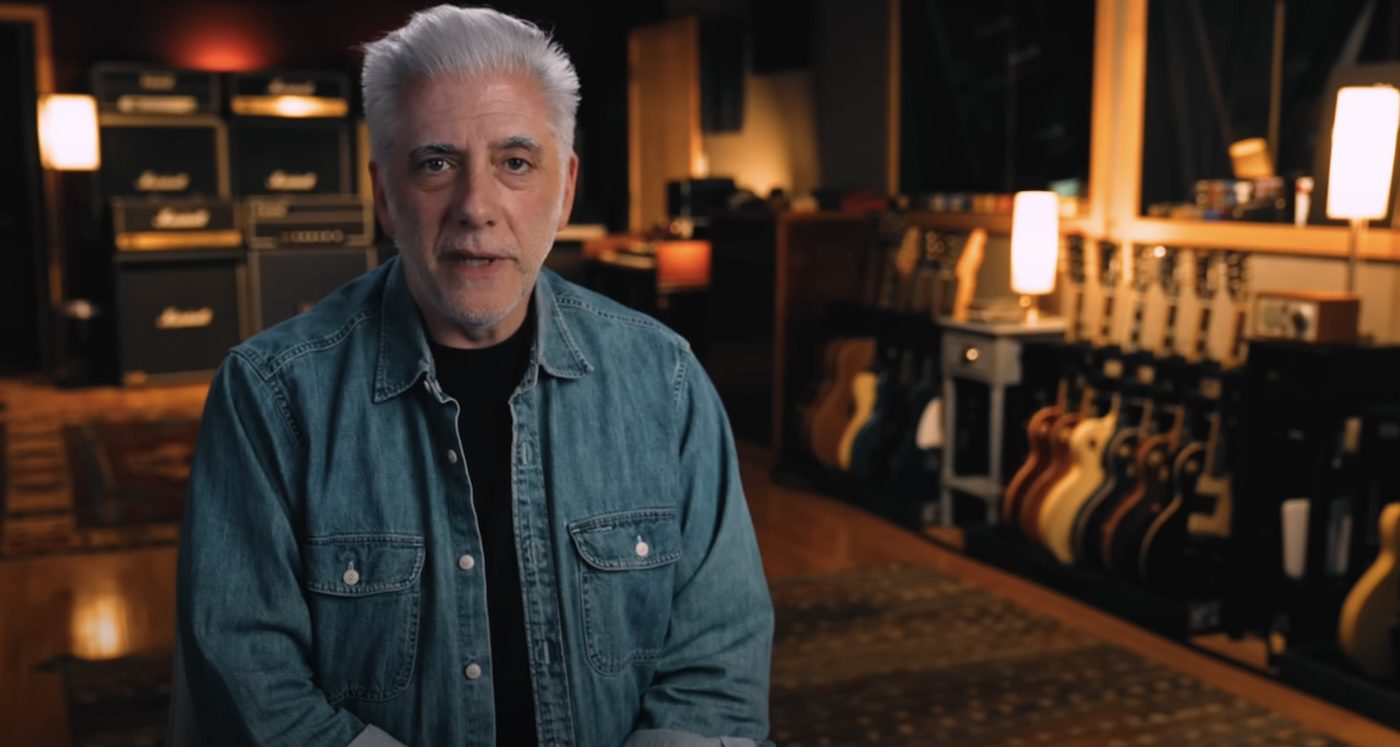
Music producer Rick Beato recently tested AI music platforms like Suno and Mureka’s AI song generator, but struggled to consistently identify flaws in the computer-generated tracks. This challenges his own arguments about AI’s creative limitations.
When the Expert Gets Confused
Beato opened his video confidently skeptical about AI music deserving copyright protection, referencing his 2023 Congressional testimony about AI in music. But when he played Suno’s dream pop track “These Hollow Hours,” he admitted, “Wow… that’s good,” surprised by its quality.
His listening tests revealed some contradictions:
- Technical flaws ≠ emotional impact: First, he noticed technical issues like “weird phasing” in some AI country tracks, but acknowledged most listeners probably wouldn’t care or notice the difference from commercial pop country. “Does this really sound that different than pop country?”
- Copyright logic vs. creative reality: Second, while he cited April 2025 U.S. Copyright Office guidelines requiring human authorship, he recognized AI’s improvements are making these legal distinctions increasingly difficult to apply.
- Professional bias vs. consumer tastes: Finally, despite industry resistance, Beato concluded, “People are going to like AI music,” contradicting colleagues who insist audiences will reject computer-created songs.
Beato highlighted how current law treats AI as a “tool” where only human-guided outputs qualify for copyright. But when AI platforms can create professional-sounding tracks from simple prompts (like Suno’s gothic folk piece with “slow chord tremolo guitar”), it’s getting harder to tell where the tool ends and the creator begins.
Why Musicians Should Care
The uncomfortable truth: If an experienced producer can’t consistently identify AI music, average listeners definitely won’t notice. This creates new possibilities but also serious concerns:
- Home producers could use AI for professional-sounding backing tracks
- Session musicians might lose work to AI instrumentals
- Copyright lawyers face the increasingly difficult task of defining “human input”
About the author

Covering AI music tools, industry shifts, and news for music creators and professionals. Twice-weekly newsletter at aimusicpreneur.com.