Skip to content
The AI Musicpreneur
The AI Musicpreneur
  • News
    • Music News
    • Tool News
  • AI Music Hub
    • ↳ Create AI Music Videos
  • AI Tools
    • All AI tools
    • ↳ AI mixing & mastering
    • ↳ AI music generators
    • ↳ AI music video generators
    • ↳ AI stem splitter
    • ↳ AI voice cloning
    • ↳ AI VST plugin
    • ↳ AI music FAQ
  • Music Promotion
    • The AI fanbase builder (Course + Prompts)
    • ↳ How to promote your music in 2025!
    • ↳ Write an artist bio with AI
    • ↳ Write a press release
  • Work With Me
    • Book Me As a Speaker
    • Promote Your AI Tool
    • About Me
  • News
    • Music News
    • Tool News
  • AI Music Hub
    • ↳ Create AI Music Videos
  • AI Tools
    • All AI tools
    • ↳ AI mixing & mastering
    • ↳ AI music generators
    • ↳ AI music video generators
    • ↳ AI stem splitter
    • ↳ AI voice cloning
    • ↳ AI VST plugin
    • ↳ AI music FAQ
  • Music Promotion
    • The AI fanbase builder (Course + Prompts)
    • ↳ How to promote your music in 2025!
    • ↳ Write an artist bio with AI
    • ↳ Write a press release
  • Work With Me
    • Book Me As a Speaker
    • Promote Your AI Tool
    • About Me
FREE PROMPTS

Drum machines, Auto-Tune, and AI: 3 times musicians declared music was over (and what happened next)
  • April 14, 2026
  • Picture of Christopher Wieduwilt - The AI Musicpreneur Christopher Wieduwilt - The AI Musicpreneur
I built a FREE AI prompt library that big labels & major artists are using
The AI Musicpreneur
✓ TikTok video scripts that get attention

✓ Press releases that get featured
✓ Newsletters fans actually read
✓ Bios that 3x profile clicks

Steal the prompts 1,400+ artists use to reclaim 15+ hours / week.

Read by industry leaders:

The AI Musicpreneur
I created a FREE 5-day email course that 1,400+ artists use to get fans who pay, not just play.
The AI Musicpreneur

What you’ll learn:
✓ Day 1: Define your USP
✓ Day 2: Create a song release strategy
✓ Day 3: Turn content ideas into videos
✓ Day 4: Win email subscribers with freebies
✓ Day 5: Turn them into fans that pay, not just play

Get the exact system that helps artists build careers they can live on.

Read by industry leaders:

The AI Musicpreneur
Whenever you're ready, there are 3 ways I can help you:
  1. The AI Fanbase Builder: My flagship course and prompt library endorsed by music industry leaders. The AI Fanbase Builder teaches you step-by-step frameworks for growing your audience, getting noticed on social media, and turning followers into paying fans. Come learn proven strategies to build a thriving music career with AI.
  2. AI Music Newsletter: Join 2,000+ music professionals who use my proven AI tools, prompts, and workflows. Subscribers save 10+ hours weekly on music creation and promotion tasks that used to take days.
  3. Promote your AI tool to 2,000+ music pros weekly: Put your music brand in my newsletter where musicians, producers and industry pros, including Grammy winners and label executives, are already looking for AI music tools and insights each Wednesday.

Trusted by industry leaders:

The AI Musicpreneur
4 AI music tools you need to know:

Get quality mixing & mastering in 1 place → RoEx 

Create music videos in seconds → Neural Frames.

Separate stems easily. 15% off with “aimusicpreneur” →  Lalal.ai

Create viral shorts in seconds. 10% off with “AIMUSIC10″→ Submagic.

The AI Musicpreneur
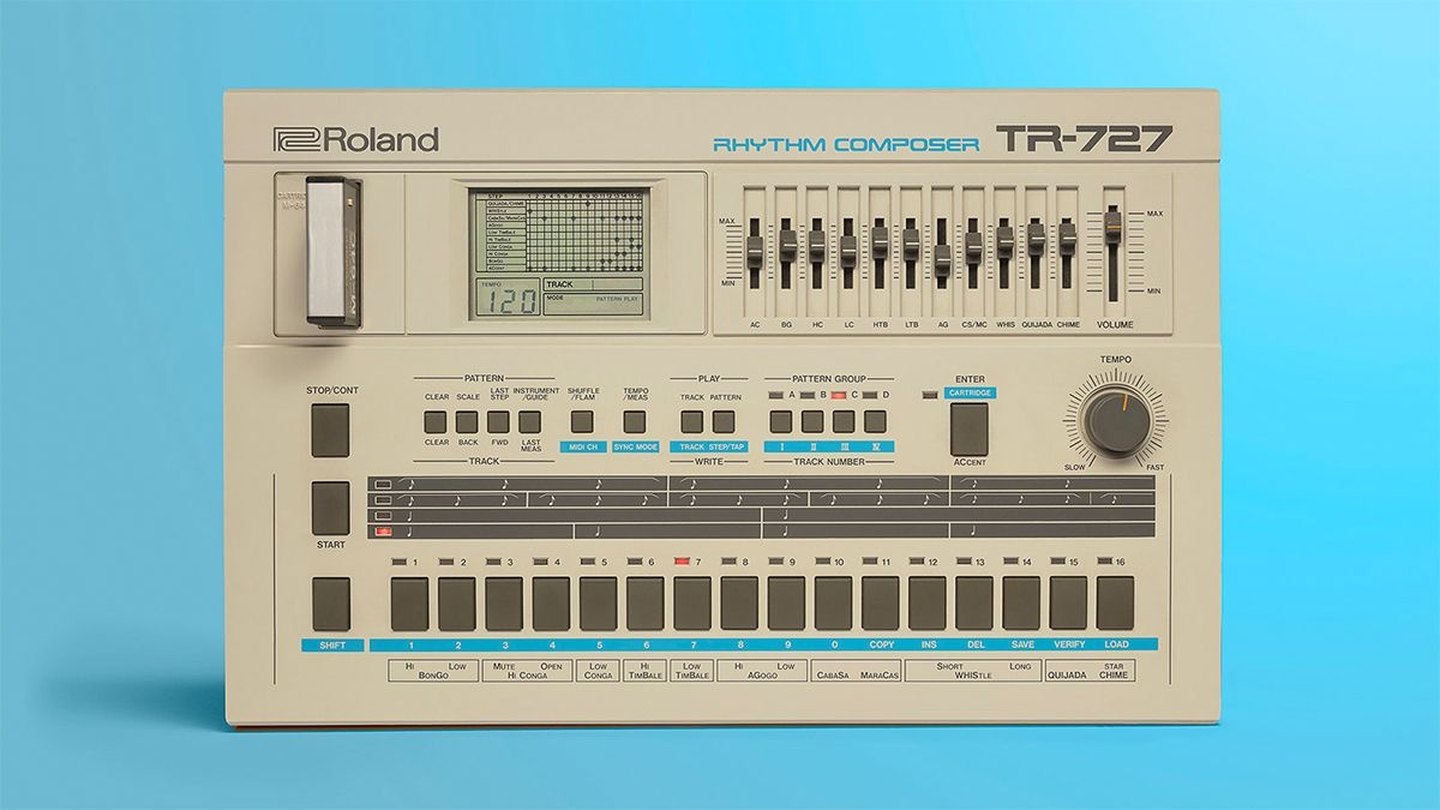
Source: MusicRadar Attribution (REQUIRED): Image credit: MusicRadar.
Musicians tried to ban drum machines in 1982, called Auto-Tune cheating in 1998, and now fear AI in 2026. Each panic birthed new genres instead of killing music.

Key highlights

  • The UK Musicians’ Union passed a motion to ban synthesizers and drum machines in 1982; the Roland TR-808 went on to define hip-hop, techno, and house
  • Auto-Tune was called the death of vocal talent in 1998; T-Pain and Kanye West turned it into a genre-defining instrument within a decade
  • AI-generated tracks account for 28% of Deezer uploads but only 0.5% of streams in 2026

3 music technologies that were supposed to end everything

Every generation of musicians has declared a new technology the end of music. Every time, they’ve been wrong. The technology became standard. Human musicianship adapted upward. New genres emerged that couldn’t have existed without the thing musicians tried to kill.

Here are the 3 biggest “music is over” panics in modern history, what actually happened, and what the pattern tells us about AI in 2026.

1. Drum machines: the UK Musicians’ Union tried to ban them

In May 1982, the Central London Branch of the UK Musicians’ Union passed a motion to ban synthesizers, drum machines, and electronic devices from professional sessions. The fear: automated rhythm would replace session drummers, destroy livelihoods, and reduce music to mechanical repetition.

The Executive Committee never adopted it as official policy, but the sentiment was real. Synth players formed a rival organization called the Union of Sound Synthesists in response.

Here’s what happened instead:

  • Afrika Bambaataa released “Planet Rock” in 1982 using the Roland TR-808, helping birth hip-hop and electronic dance music
  • The TR-808 became so foundational that Hank Shocklee of the Bomb Squad later said “it’s not hip-hop without that sound”
  • Juan Atkins used the 808 to produce “Clear” in 1983, a track that directly influenced Detroit techno
  • Used 808s dropped to $100 or less by the mid-1980s, putting production tools into the hands of young artists who created entirely new genres

The Roland TR-808 has been called hip-hop’s equivalent to the Fender Stratocaster. It’s been used on more hit records than any other drum machine. The New Yorker wrote that its bass drum sound is “part of America’s cultural DNA.”
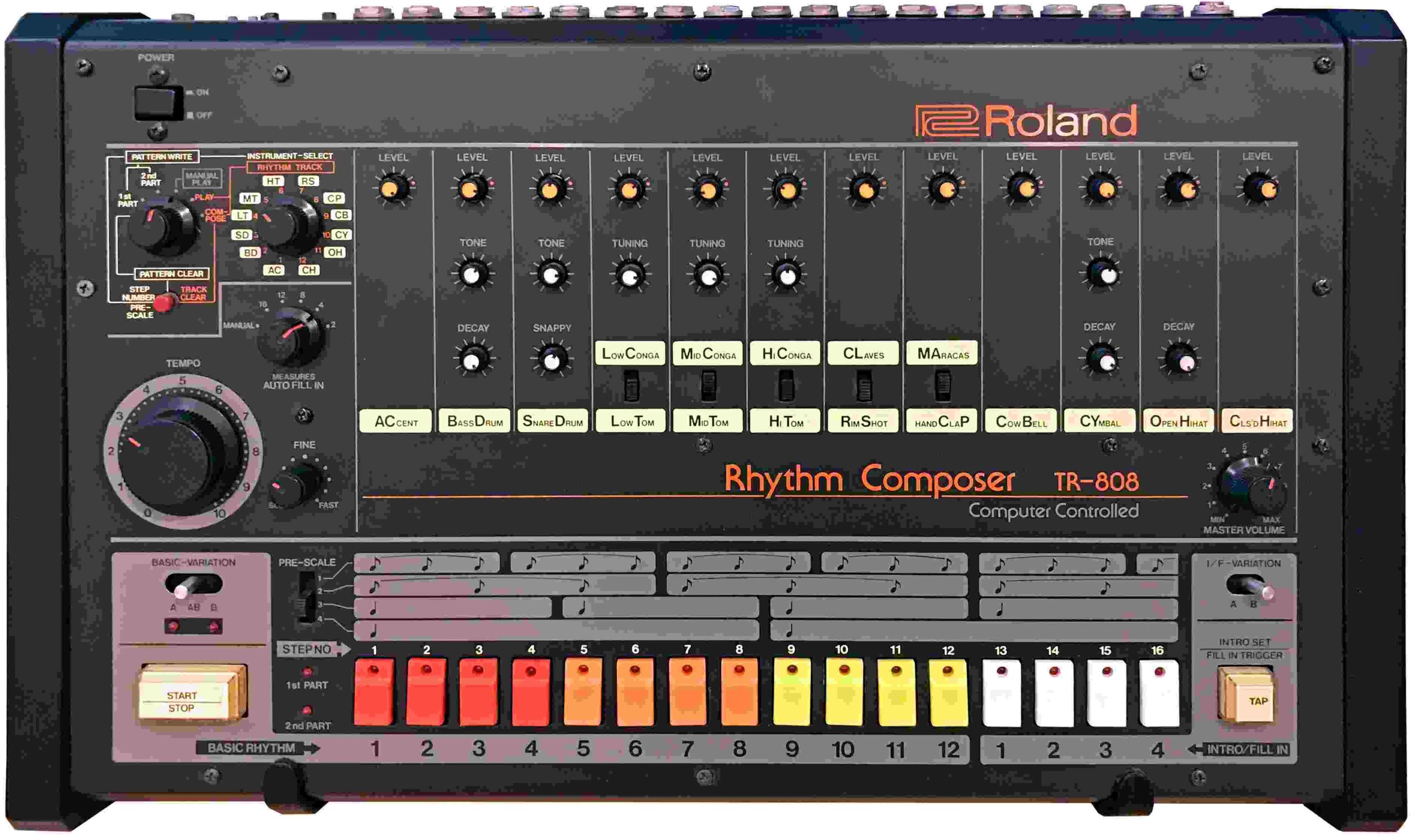
Roland TR-808 Rhythm Composer classic analog drum machine with red and yellow step buttons.
TR 808 Musical Instrument Museum Phoenix AZ by Bryan Pocius via Wikimedia Commons CC BY 20

The technology the union tried to ban became the sound of 3 decades of popular music.

Pro tip: The Sweetwater TR-808 history traces its full journey from commercial failure to cultural icon. Session drummers who adapted kept working. Those who refused were replaced by other humans who embraced the new instrument.
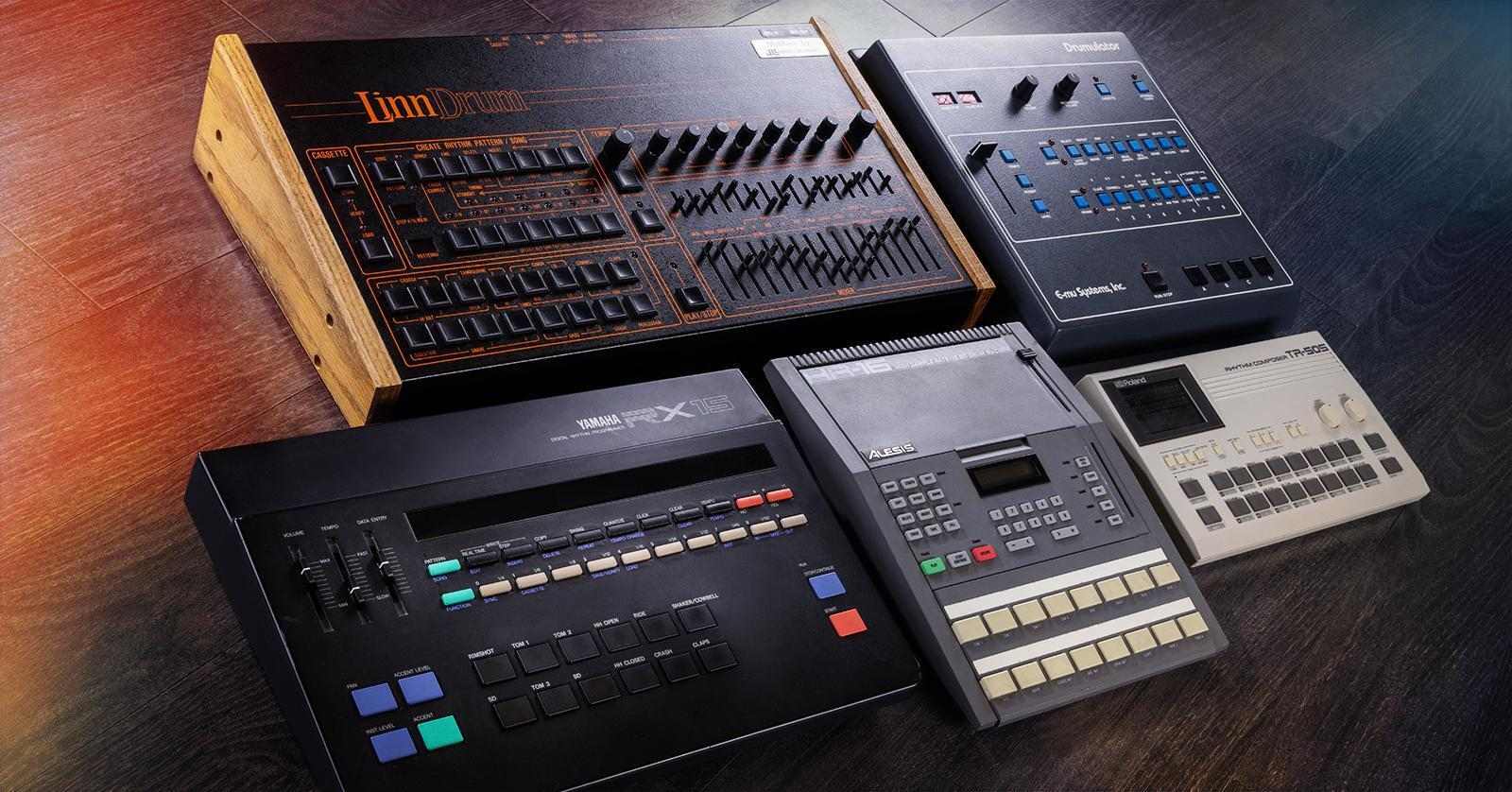
Five classic vintage drum machines including LinnDrum, Drumulator, Yamaha RX15, Alesis HR-16, and Roland TR-505.
Source Sweetwater InSync Attribution REQUIRED Image credit Sweetwater

2. Auto-Tune: the end of authentic vocal performance
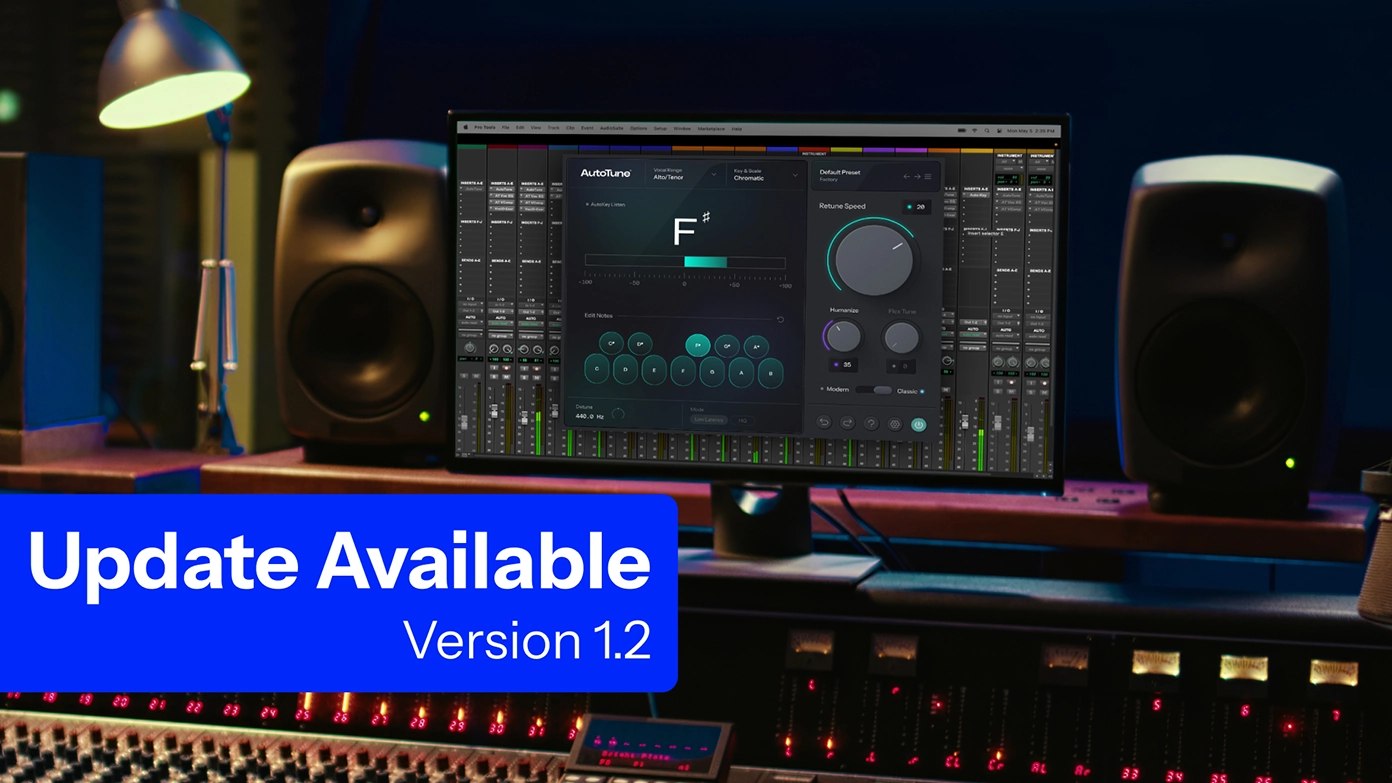
Antares Auto-Tune plugin Version 1.2 update screen on monitor in professional recording studio.
Image credit Antares Audio Technologies

Antares Audio released Auto-Tune in 1997 as a pitch-correction studio tool. Cher’s “Believe” in 1998 was the first major track to use the artifact as an audible effect. Critics and musicians called it cheating. Purists said it was the end of authentic vocal talent.

Within a decade, Auto-Tune split the vocal world in two.

T-Pain built an entire sound and career around it. Kanye West used it on “808s & Heartbreak” (2008) to create something new: a robotic emotional register that felt more vulnerable, not less. The pitch correction wasn’t hiding anything. It was an instrument.

On the other side, raw vocal performances became premium by contrast:

  • Adele’s unprocessed voice became a selling point, not a limitation
  • Chris Stapleton’s live vocal performances drew audiences specifically because they stood apart from pitch-corrected pop
  • Billie Eilish’s whisper-close microphone technique created intimacy that Auto-Tune couldn’t replicate

Auto-Tune didn’t homogenize vocal music. It bifurcated it. You either committed fully to the tool or committed fully to the naked human voice. Middle-ground mediocrity lost.

Today, an estimated 70-80% of commercial recordings use pitch correction transparently. Grammy-winning engineers treat it as a creative tool. Vocal coaches report increased demand for raw performance training specifically as a differentiator.

3. AI music generation: the panic we’re living through right now

The AI Musicpreneur

Deezer’s data puts a number on the current panic: 28% of all uploads to their platform are AI-generated. Recording industry lawyers are in active litigation with Suno and Udio over training data. The UK government ran an 11,500-response consultation on AI copyright. 88% of respondents opposed the proposed text-and-data-mining opt-out framework.

The pattern from sections 1 and 2 holds so far:

  • AI tracks are 28% of Deezer uploads but only 0.5% of streams
  • Spotify removed 75M spammy tracks in 12 months
  • Listeners aren’t choosing AI music at scale

But there’s a structural difference this time. Drum machines were tools musicians operated. Auto-Tune was a tool engineers applied. AI music generation doesn’t require the musician at all. It’s the first technology on this list that directly substitutes for the creator, not the process.

A Nature (2023) study found bias against AI-generated art actually enhances the perceived creativity of human-made work. The contrast makes human artistry more valuable, not less.

Example: China Styles (Margaret Bynum) used AI to process childhood diary entries documenting abuse into AI-generated lyrics. The pain was real. The AI was the vessel. The result hit No. 2 on Billboard R&B Digital Song Sales. That’s the centaur model, borrowed from chess after Deep Blue: human judgment plus AI capability outperforming either one alone.

The prediction the pattern supports

Drummer viewed from behind playing live on stage in front of a packed arena crowd with red cymbals.

Paul Delaroche looked at photography in 1839 and said “from today, painting is dead.” The 100 years after that produced Impressionism, Cubism, and Abstract Expressionism. Photography forced painting to become irreducibly, impossibly painterly.

The “this kills music” panic has been wrong 3 times. The interesting question isn’t whether AI kills music. It’s what human music becomes in response.

The answer from history: weirder, more human, more irreducible. Drum machines made drummers better. Auto-Tune made raw vocalists more valuable. AI will make human artistry, visible struggle, imperfection, and presence, the thing money chases.

The question for every musician reading this isn’t “will AI take my job?” It’s “what can I do that a prompt physically cannot?” The history says: whatever that thing is, lean into it hard.

Frequently asked questions

Did the Musicians’ Union really try to ban drum machines?

Yes. In May 1982, the Central London Branch of the UK Musicians’ Union passed a motion to ban synthesizers, drum machines, and electronic devices. The Executive Committee later adopted a more nuanced resolution, but the push to restrict the technology was real and well-documented.

Has a new music technology ever killed an existing genre?

No. Drum machines created hip-hop, techno, and house. Auto-Tune spawned new vocal styles and made raw performance more valuable by contrast. Each technology expanded the range of what music could be. No major genre has disappeared because of a production technology.

Is AI music different from drum machines and Auto-Tune?

Structurally, yes. Drum machines and Auto-Tune were tools humans operated. AI music generation can substitute for the creator entirely. But the market data so far follows the same pattern: AI tracks flood platforms (28% of Deezer uploads) while listeners choose human music (0.5% of streams). AI slop is present but not dominant.

What is the centaur model in music?

After IBM’s Deep Blue beat Garry Kasparov in 1997, Kasparov invented “centaur chess”: human plus machine teams that outperformed both pure humans and pure AI. Applied to music, the centaur model means using AI for production capabilities while keeping human expression, emotion, and judgment irreplaceable. China Styles’ Billboard hit is an early example.

Will AI make human music more or less valuable?

History and current research both point to more valuable. A Nature study found bias against AI art enhances perception of human creativity. The photography parallel suggests AI will push human music toward radical authenticity and imperfection as differentiators, the same way photography pushed painting toward abstraction.

Whenever you’re ready, there are 3 ways I can help you:

  1. The AI Fanbase Builder: My flagship course and prompt library endorsed by music industry leaders. The AI Fanbase Builder teaches you step-by-step frameworks for growing your audience, getting noticed on social media, and turning followers into paying fans. Come learn proven strategies to build a thriving music career with AI.
  2. AI Music Newsletter: Join 2,000+ music professionals who use my proven AI tools, prompts, and workflows. Subscribers save 10+ hours weekly on music creation and promotion tasks that used to take days.
  3. Promote your AI tool to 2,000+ music pros weekly: Put your music brand in my newsletter where musicians, producers and industry pros, including Grammy winners and label executives, are already looking for AI music tools and insights each Wednesday.
Previous
Next
author avatar
Christopher Wieduwilt - The AI Musicpreneur Founder, Content Creator
Christopher Wieduwilt, founder of the AI Musicpreneur, combines 15 years of music industry experience with AI expertise to empower artists. Having navigated the highs and lows himself, Christopher now shares AI music tools and strategies to help artists create, promote, and grow their fanbase. His mission is to guide musicians in winning 1,000 true fans in the AI era.
See Full Bio
Music Promotion AI music promotion AI stem separation AI mastering AI music generators
social network icon social network icon
Share the Post:

Related Posts

The AI Musicpreneur

Splice launches 3 GenAI tools (Variations, Craft, Magic Fit) that modify human-made samples. Sample creators get paid per source use and per AI variation downloaded.

Splice’s new GenAI tools modify human-made samples and pay creators per download, but the platform hasn’t addressed whether creators consented.

Read More
The AI Musicpreneur

AI-generated music: Art or Craft? Collingwood’s 1938 Answer:

Collingwood defined art vs. craft in 1938. AI music generators fit his definition of craft. MIT and UCLA brain research backs him up, 87 years later.

Read More
The AI Musicpreneur

I built a free AI prompt library that big labels & major artists are using.

✓ TikTok video scripts that get attention
✓ Press releases that get featured
✓ Newsletters fans actually read
✓ Bios that 3x profile clicks

Steal the prompts 2,000+ artists use to reclaim 15+ hours / week.

Read by industry leaders:

The AI Musicpreneur
The AI Musicpreneur

Follow me

Tiktok
Linkedin

Best AI TOOLs

  • AI mastering tools
  • AI music generators
  • AI music video generators
  • AI stem separation
  • AI voice cloning
  • AI mastering tools
  • AI music generators
  • AI music video generators
  • AI stem separation
  • AI voice cloning

Promotion

  • Course + Prompts: AI fanbase builder
  • Prompts: AI fanbase builder
  • Guide: AI music promotion
  • Guide: Write a press release
  • Guide: Write an artist bio
  • Course + Prompts: AI fanbase builder
  • Prompts: AI fanbase builder
  • Guide: AI music promotion
  • Guide: Write a press release
  • Guide: Write an artist bio

LEGAL

  • Impressum
  • Cookie Policy (EU)
  • Privacy Policy
  • Advertise here
  • Cookie Policy (UK)
  • Opt-out preferences
  • Cookie Policy (CA)
  • Cookie Policy (AU)
  • Cookie Policy (ZA)
  • Cookie Policy (BR)
  • Impressum
  • Cookie Policy (EU)
  • Privacy Policy
  • Advertise here
  • Cookie Policy (UK)
  • Opt-out preferences
  • Cookie Policy (CA)
  • Cookie Policy (AU)
  • Cookie Policy (ZA)
  • Cookie Policy (BR)

© The AI Musicpreneur 2026

Manage your privacy
We use technologies like cookies to store and/or access device information. We do this to improve browsing experience and to show (non-) personalized ads. Consenting to these technologies will allow us to process data such as browsing behavior or unique IDs on this site. Not consenting or withdrawing consent, may adversely affect certain features and functions.
Functional Always active
The technical storage or access is strictly necessary for the legitimate purpose of enabling the use of a specific service explicitly requested by the subscriber or user, or for the sole purpose of carrying out the transmission of a communication over an electronic communications network.
Preferences
The technical storage or access is necessary for the legitimate purpose of storing preferences that are not requested by the subscriber or user.
Statistics
The technical storage or access that is used exclusively for statistical purposes. The technical storage or access that is used exclusively for anonymous statistical purposes. Without a subpoena, voluntary compliance on the part of your Internet Service Provider, or additional records from a third party, information stored or retrieved for this purpose alone cannot usually be used to identify you.
Marketing
The technical storage or access is required to create user profiles to send advertising, or to track the user on a website or across several websites for similar marketing purposes.
  • Manage options
  • Manage services
  • Manage {vendor_count} vendors
  • Read more about these purposes
Manage options
  • {title}
  • {title}
  • {title}
Manage your privacy
To provide the best experiences, we use technologies like cookies to store and/or access device information. Consenting to these technologies will allow us to process data such as browsing behavior or unique IDs on this site. Not consenting or withdrawing consent, may adversely affect certain features and functions.
Functional Always active
The technical storage or access is strictly necessary for the legitimate purpose of enabling the use of a specific service explicitly requested by the subscriber or user, or for the sole purpose of carrying out the transmission of a communication over an electronic communications network.
Preferences
The technical storage or access is necessary for the legitimate purpose of storing preferences that are not requested by the subscriber or user.
Statistics
The technical storage or access that is used exclusively for statistical purposes. The technical storage or access that is used exclusively for anonymous statistical purposes. Without a subpoena, voluntary compliance on the part of your Internet Service Provider, or additional records from a third party, information stored or retrieved for this purpose alone cannot usually be used to identify you.
Marketing
The technical storage or access is required to create user profiles to send advertising, or to track the user on a website or across several websites for similar marketing purposes.
  • Manage options
  • Manage services
  • Manage {vendor_count} vendors
  • Read more about these purposes
Manage options
  • {title}
  • {title}
  • {title}