Researchers at the University of Tennessee have created HarmonyCloak, an innovative tool that prevents AI models from learning and copying musical compositions.
This comes at a crucial time when the music industry grapples with increasing concerns about AI’s impact on creative rights.
AI models like ChatGPT, Microsoft CoPilot, and Suno are revolutionizing content creation by drawing from vast internet databases to generate everything from text to music. However, this technological advancement raises significant concerns about copyright protection, particularly for musicians.
As Assistant Professor Jian Liu points out, these AI systems often train on copyrighted material without proper authorization, potentially threatening the livelihood of artists, especially in Tennessee where the music industry serves as a crucial economic engine.
HarmonyCloak addresses these concerns through an innovative approach that integrates low-pressure sounds into musical compositions.
How it works
HarmonyCloak integrates subtle, low-pressure sounds into music that are virtually imperceptible to human ears but effectively disrupt AI learning patterns. When AI attempts to analyze “cloaked” music, it produces discordant, incoherent arrangements instead of accurate replications.
Assistant professor Jian Liu at the University of Tennessee at Knoxville led the development of HarmonyCloak alongside doctoral student Syed Irfan Ali Meerza and assistant professor Lichao Sun from Lehigh University in Pennsylvania. While not professional musicians themselves, all three share a deep appreciation for music, with Meerza even composing in his spare time.
The team brought together complementary skills to create HarmonyCloak:
- Liu and Meerza contributed expertise in audio processing, speech recognition, and generative AI
- Sun provided foundational work in unlearnable data
- Their combined knowledge enabled them to develop this groundbreaking protection system
Development process:
The team followed a methodical approach to perfect HarmonyCloak:
- Started with audible perturbations to verify the “cloaking” effectiveness
- Experimented with high and low frequencies to find the optimal range
- Refined the system to use low-pressure notes that human ears typically can’t detect
- Tested extensively with approximately 50 participants to validate the tool’s effectiveness
Testing and effectiveness:
The tool’s effectiveness has been rigorously validated through blind testing with approximately 50 participants. Only one audiophile could detect minimal perturbations in two out of 15 samples, demonstrating HarmonyCloak’s remarkable ability to protect music while maintaining its listening quality.
Industry Impact
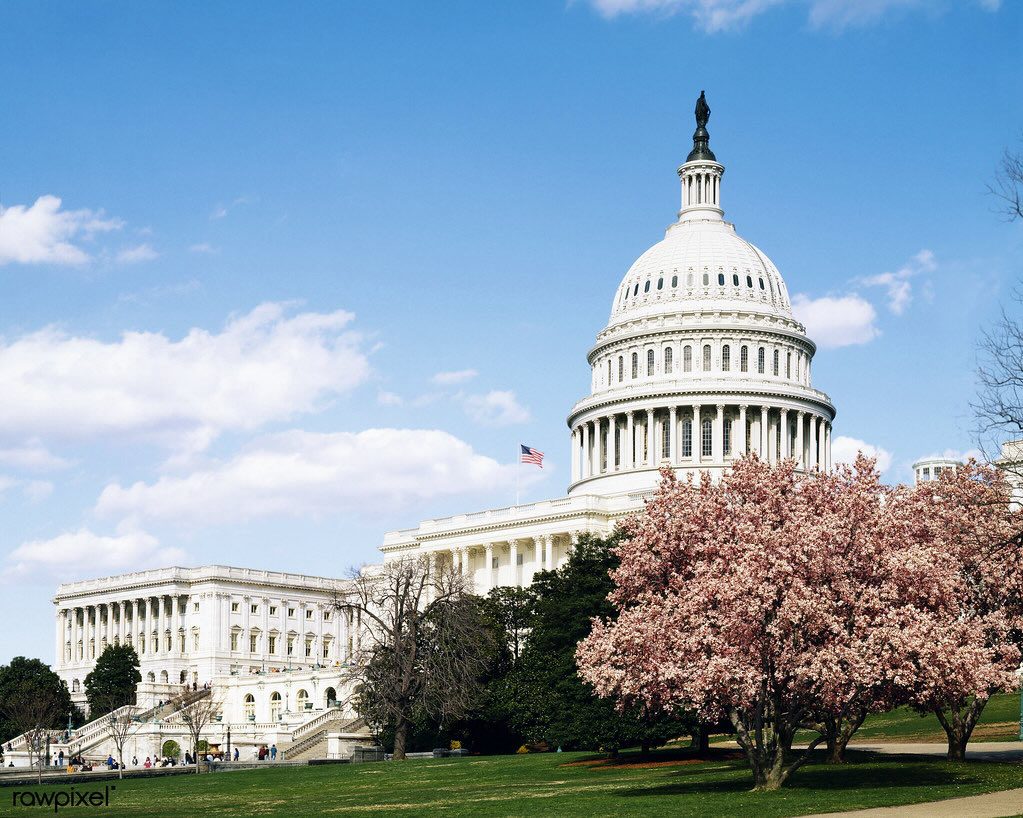
This development aligns with Tennessee’s recent ELVIS Act, which protects artists against unauthorized use of their voices and likenesses.
As explored in our previous coverage of how AI stem separation enables customized sync licensing options, the music industry continues to seek balance between technological advancement and creative rights protection.
Future implementation:
The research team plans to release HarmonyCloak as a free tool in 2025, making it accessible to musicians seeking to protect their intellectual property. This initiative parallels other protective measures in the creative industry, such as the University of Chicago’s Glaze and Nightshade tools for visual artists.
Industry context:
This development comes at a critical time when artists and labels are increasingly concerned about AI’s impact on music creation. As discussed in our recent article about AIOK’s mission to develop industry standards, the industry is actively seeking solutions to ensure ethical AI use in music production.
The emergence of HarmonyCloak represents a significant step forward in protecting musicians’ rights while allowing for technological progress. It offers a practical solution for artists concerned about AI’s potential to replicate their work without permission, ensuring their creative and economic interests remain protected in an increasingly AI-driven world.