Timbaland creates AI music artist TaTa for A-Pop genre
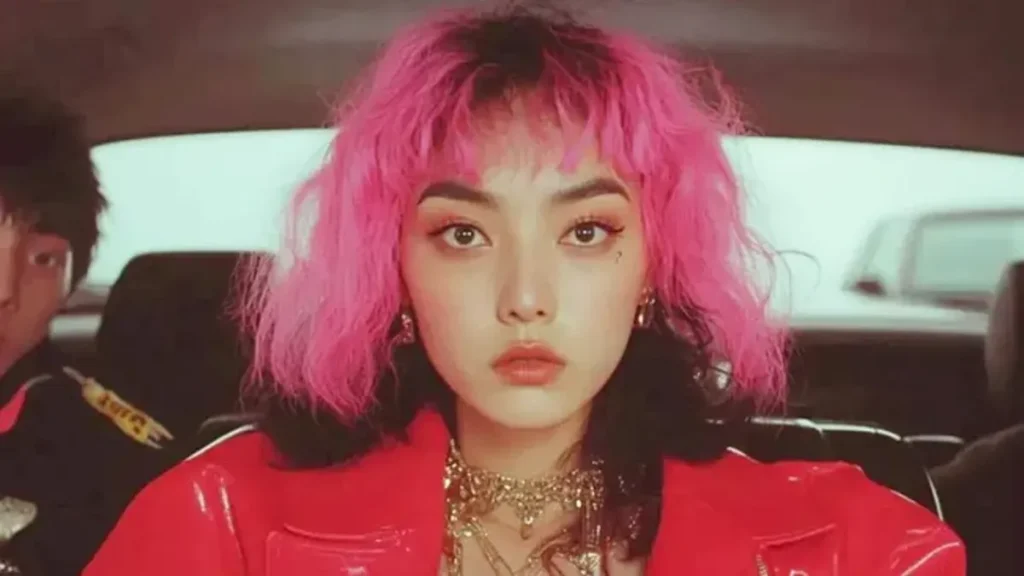
After signing with AI music company Suno, producer Timbaland is creating a new AI-focused genre called “A-Pop” through his company Stage Zero.
The company introduced TaTa, an AI-generated artist with pink hair who uses a voice Timbaland discovered while testing his demos on Suno’s platform.
Timbaland now serves as creative director at Suno and plans to make TaTa seem real through social media and AI-generated images.
Murf AI creates rap song about PowerPoint meetings
Murf AI released “The PPT Rap,” a music video with vocals created entirely by AI voice technology.
The song uses Murf’s “Natalie” voice with natural speech patterns to mock presentation overload.
This launch promotes Murf’s new PowerPoint plugin that creates voiceovers directly from speaker notes without leaving the app.
The plugin helps training teams and marketers make narrated presentations faster.
The rap will be available on Spotify, YouTube Music, and Apple Music.
AI Music Pioneer David Cope Dies at 83

David Cope, who developed the EMI algorithm in the 1980s, has passed away.
His early artificial intelligence system raised important questions about human creativity and machine-generated music.
The EMI algorithm was one of the first AI tools to compose music that challenged listeners’ perceptions of what constitutes authentic artistic expression.
Cope’s work laid the groundwork for today’s AI music generation tools.
Suno Launches DAW-Style AI Song Editor
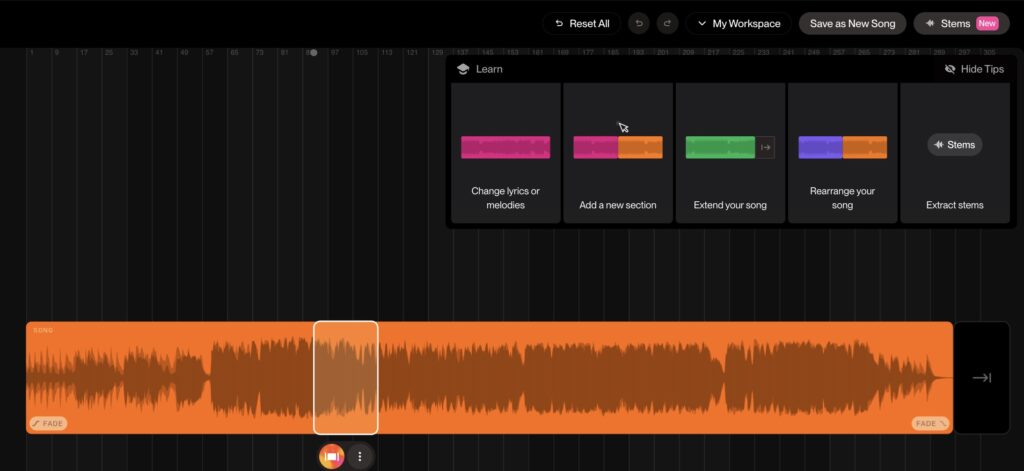 Screenshot
Suno launched new features that give artists more control over their music creation.
Users can now upload audio files up to 8 minutes long, including work-in-progress tracks or hummed melodies.
The upgraded Suno AI Song Editor lets creators replace lyrics, rework sections, and adjust creativity levels.
A new stem separation tool allows artists to export individual parts and continue editing in other music software.
SourceAudio Launches AI Dataset Licensing Marketplace

SourceAudio has introduced a new marketplace for licensing AI training datasets.
The platform aims to connect music rights holders with AI companies looking for legal training data.
This development addresses growing concerns about unauthorized use of copyrighted music in AI model training and provides a legitimate pathway for compensation.