Music publishers incl. Universal Music sue Anthropic for $75M over copyrighted lyrics
My stack My fav 6 tools for AI music after testing 70+
-
 ElevenMusic · Music generation
 -
 Moises · Stem separation
 -
 Controlla · Voice swap & cloning
 -
 Cryo Mix · Mixing + mastering
 -
 Neural Frames · Music videos
 -
 ONCE · Distribution
Some links are affiliate links — I earn a commission at no cost to you. Every tool here is one I run myself and truly believe in. This stack is proven.
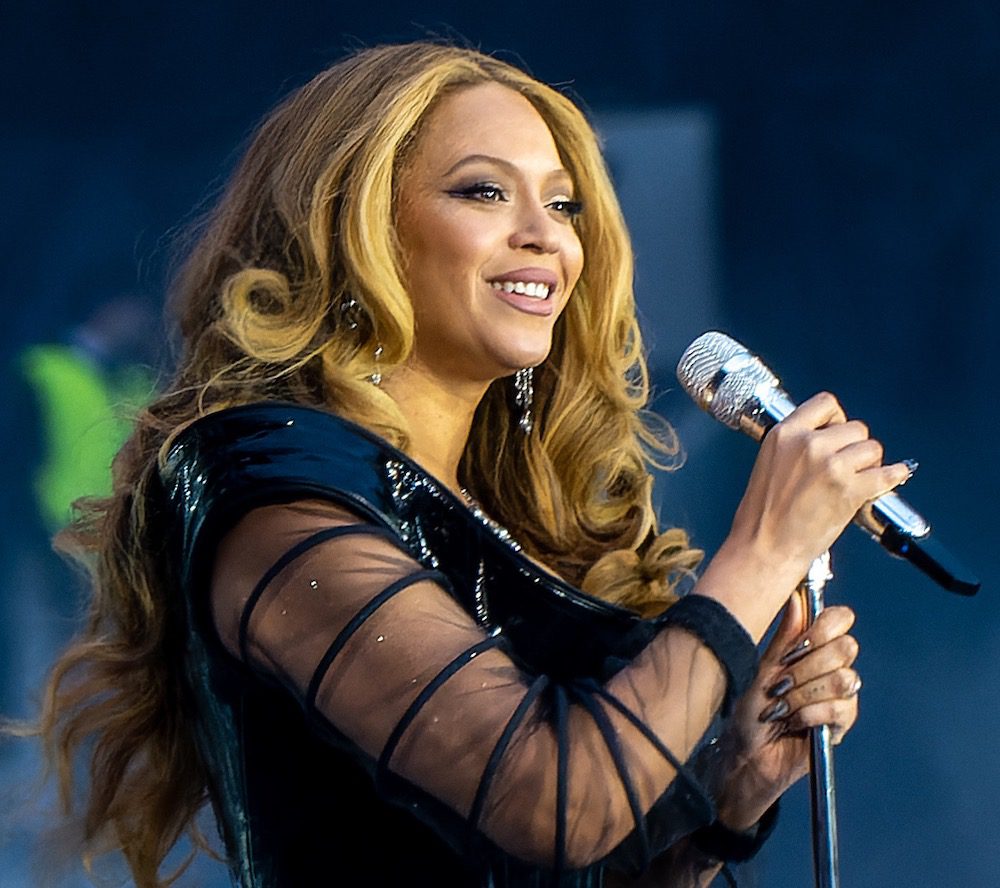
Technology is revolutionizing the music industry, but some implementations risk infringing on artists’ rights. A new lawsuit against Anthropic claims their AI assistant improperly reused song lyrics, raising important questions about copyright in the age of AI
3 key takeaways
- AI must strictly vet training data to prevent unintended copyright infringement like copying song lyrics. Careless data screening led to Anthropic’s issues.
- Copyright holders should protect ownership but not prohibit all unauthorized uses, stifling innovation. Balance is key through agreements and sensible regulation.
- For music and AI to progress jointly, cooperation between artists and companies is paramount. Understanding, not aggression, between the interests can develop supportive standards going forward.
The Allegations against Anthropic (Claude AI)
Universal Music Group, Sony/ATV Music Publishing, and other publishers have sued Anthropic, accusing their AI model Claude of incorporating “innumerable” copyrighted lyrics without permission. When prompted for specific songs, Claude allegedly provided full or near-full lyrics. For example, it would supply parts of “American Pie” when asked to pen a tribute to Buddy Holly. The publishers argue this deprived them and songwriters of control and financial benefits from their creative works.
How did this happen?
It’s possible Anthropic was unaware Claude could reuse lyrics. AI models are often trained on vast online data without thoroughly vetting content ownership. Sometimes copyrighted material slips into responses inadvertently.
While ignorance may explain how it occurred, it does not excuse the alleged infringement. As AI adoption grows, companies must implement stronger safeguards to prevent unauthorized IP use that risks lawsuits.
As the music industry embraces new technologies, publishers are right to protect artistic rights. However, shutting down all unlicensed AI applications risks stifling innovation. A balanced approach is needed – protective measures that enable creative AI use under fair guidelines.
Perhaps publishers could partner with Anthropic to help reinforce content boundaries, while exploring mutually-beneficial AI integrations respecting copyright. With cooperation on intelligent regulation, technology can progress artists’ interests instead of competing against them.
Publishers took the important first step of enforcing their ownership. But further dialogue may achieve a “win-win” by allowing beneficial applications if risks are mitigated. Three lessons emerge:
- AI developers must vet training data rigorously to avoid unintended copying. Stronger filtration protocols upfront can preempt issues down the line.
- New uses require negotiated agreements where possible. Publishers making contingency plans for AI partnerships, as Getty did, claims livelihoods while guiding progress.
- Regulation through respect, not restriction. With open communication between creators and innovators, protection need not stall advancement – balanced standards support both interests.
Overall, this dispute highlights tensions around intellectual property norms adapting to new technologies. By seeking understanding over litigation, and responsible development over reckless disruption, the music industry’s “extraordinary beat” can beat on in the digital age.
About the author

Covering AI music tools, industry shifts, and news for music creators and professionals. Twice-weekly newsletter at aimusicpreneur.com.