Gov. Bill Lee to safeguard Tennessee’s music legacy in the AI era with new regulation
My stack My fav 6 tools for AI music after testing 70+
-
 ElevenMusic · Music generation
 -
 Moises · Stem separation
 -
 Controlla · Voice swap & cloning
 -
 Cryo Mix · Mixing + mastering
 -
 Neural Frames · Music videos
 -
 ONCE · Distribution
Some links are affiliate links — I earn a commission at no cost to you. Every tool here is one I run myself and truly believe in. This stack is proven.
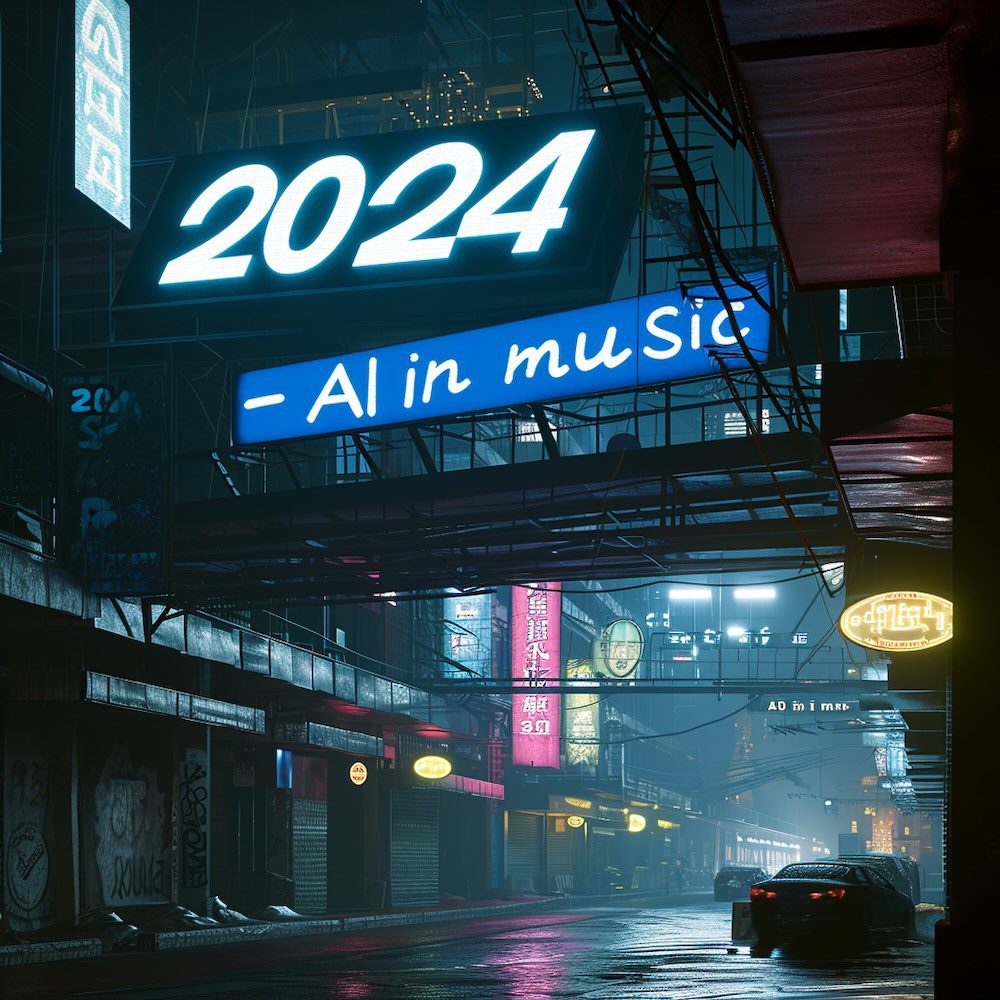
Over the past year, issues around the use of artificial intelligence technologies and digital rights have come to the forefront. As music continues to move online, songwriters, performers and other music industry stakeholders face new challenges presented by AI. Now, Tennessee is taking a leading role to address these issues through new legislation.
Everything you need to know:
- Tennessee currently protects image and likeness rights, and the new bill will expand this to also cover AI issues
- Artists, songwriters, and industry stakeholders will attend the announcement of the legislation next week
- Other states and countries are also pursuing new laws around artificial intelligence and digital rights
Tennessee already has laws in place to protect against unauthorized use of a person’s image and likeness. Governor Lee’s upcoming bill will modernize these protections to also encompass the emerging issues raised by artificial intelligence technologies.
Specifically, it aims to safeguard musicians’ voices and musical performances from being replicated or generated without permission by AI systems. By extending its rights laws to cover new digital uses and mediums, Tennessee is future-proofing creative work.
To announce the bill, Governor Lee will be joined by various Tennessee-based artists, songwriters, and music businesses. Their presence underscores the collaborative approach taken in crafting legislation that encourages continued innovation while respecting content creators. As both an epicenter of the country music industry and a leader in new technology sectors, Tennessee is well-positioned to spearhead balanced policies around music and emerging technologies.
Tennessee is not alone in recognizing the need for updated regulations regarding artificial intelligence and digital rights. Several other states like California have also proposed or passed new bills focused on deepfakes and digital likenesses in recent years. Meanwhile, countries like the UK are weighing comprehensive codes of conduct around AI development and use. As discussion on these issues ramps up globally, Tennessee’s new protections for music could help shape the conversation going forward.
In conclusion, by pursuing this legislation, Tennessee demonstrates a commitment to both empowering further advances in artificial intelligence and defending the livelihoods of those in the music industry. As digital technologies continue to progress, nuanced policies like this will be critical to balancing innovation with content ownership online.
About the author

Covering AI music tools, industry shifts, and news for music creators and professionals. Twice-weekly newsletter at aimusicpreneur.com.