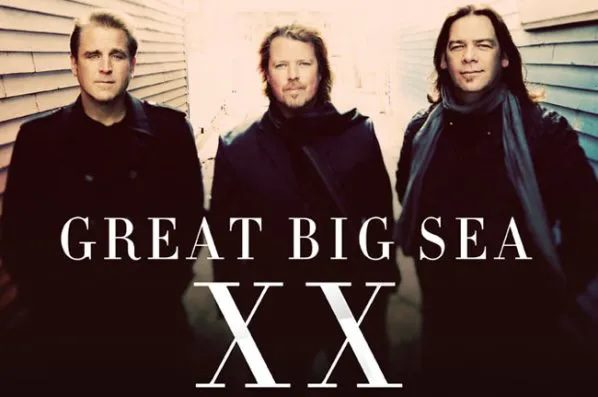
For over 20 years, the Canadian folk-rock band Great Big Sea has been filling the boots of Newfoundlanders and music lovers alike with their signature blend of Irish and Celtic sounds. But now, artificial intelligence may be threatening to tread on their turf.
Everything you need to know
✓ Bob Hallett of Great Big Sea dismissed AI mimicry of their style, scoring computer songs a measly 2/10.
✓ AI currently lacks humanity but is progressing rapidly through immense training data.
✓ Musicians foresee a future blending human feeling with tech, if authenticity remains.
Bob Hallett is not impressed with AI
When AI song generating tools like Suno were used to craft tracks attempting to mimic the Great Big Sea style, founding member Bob Hallett wasn’t overly impressed. Giving the computer-made songs a score of just two out of ten, he noted that aspects like the lyrics and instrumentation felt “strange” compared to the band’s usual high quality.
On the surface, this may seem like yet another case of AI failing to live up to the artistry of humans. But as Jimmy Lin, director of the University of Waterloo’s AI institute explains, we shouldn’t be too quick to judge. The machine-learning algorithms behind tools like Suno are advancing at a rapid pace, constantly improving based on the massive datasets used to “train” them.
In simple terms, AI systems learn by recognizing patterns in existing examples. The more music an algorithm is exposed to, the better it can emulate different styles when prompted. So while early attempts at recreating Great Big Sea may have missed the mark, with sufficient data these programs could eventually master their Celtic folk sound.
Great Big Sea comments on limitations of AI music
 ©David Howells 2012
www.davehowellsphoto.com
©David Howells 2012
www.davehowellsphoto.com
Of course, there are still limitations. As Bob Hallett noted, AI lacks the human qualities of sincerity and real emotion that draw listeners in. Machines can replicate technical musical aspects like drum patterns or vocal melodies, but soul remains uniquely human.
Another challenge is avoiding legal grey areas around copying artists without consent. Companies using huge troves of existing songs to fuel their AI face potential copyright issues down the line, as Microsoft recently learned when sued over training ChatGPT on New York Times articles.
Yet for the time being, music makers like Hallett remain philosophical about AI’s role. As platforms like YouTube have squeezed artist revenues, technology was already disrupting industries. And he sees potential benefits, like AI generating personalized jingles for ads targeting niche audiences.
Overall, while computers continue advancing, Hallett believes people will always crave real connections with artists expressing authentic feelings through music. As AI systems evolve, the divide between human and machine-made tracks may narrow – but our preference for sincerity ensures a Great Big Sea will still have plenty of waves to sail on.
AI in music: Evolution or echo of authenticity?
The debate raises thought-provoking questions. On one hand, AI offers new creative avenues when guided by humans. Yet over-reliance on algorithms could diminish art forms if they replace heartfelt human perspectives. Perhaps the ideal future involves balances of both.
Musicians adapting smartly to change endured for centuries. So as technology transforms how albums reach fans, crafting moves people remains the surest stay for bands seeking long voyages. Whether AI poses storms or calms oceans ahead depends on navigating progress judiciously, making sure humans chart courses computers never could.
While AI is rapidly improving at music generation, authentic human emotion remains difficult for machines to replicate genuinely. But as technology evolves, finding balanced roles leveraging both AI and human qualities could keep musical arts sailing smoothly into new eras.