The traditional mixing process has long been a time-consuming and technically demanding aspect of music production. Many musicians and producers spend countless hours tweaking parameters and organizing tracks, often at the expense of their creative flow.
With the emergence of AI-powered mixing tools, we’re witnessing a revolutionary shift in how audio professionals approach their craft.
Here are the most effective ways AI is reshaping the mixing landscape:
1. Automated track organization
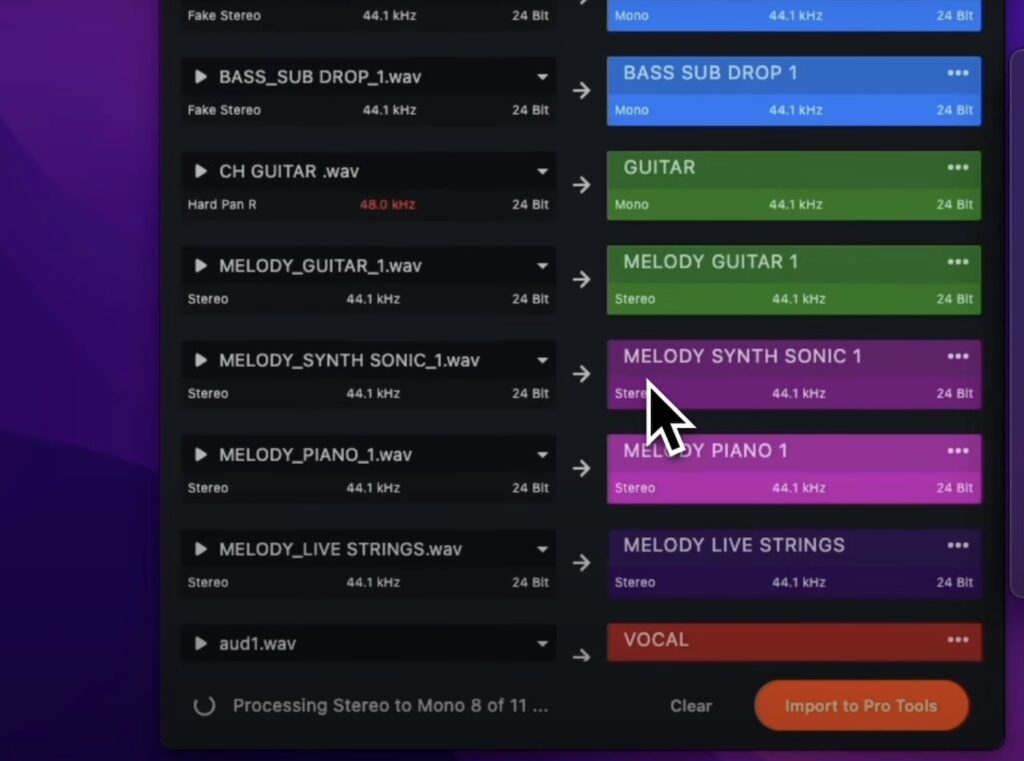
Gone are the days of manual track labeling and organization. AI tools like Forte! now automatically analyze and categorize your audio files, identifying instruments and applying appropriate colors and labels.
This smart organization system saves mixing engineers up to 3 hours per session, allowing them to focus on the creative aspects of mixing rather than tedious file management
2. Intelligent stem separation
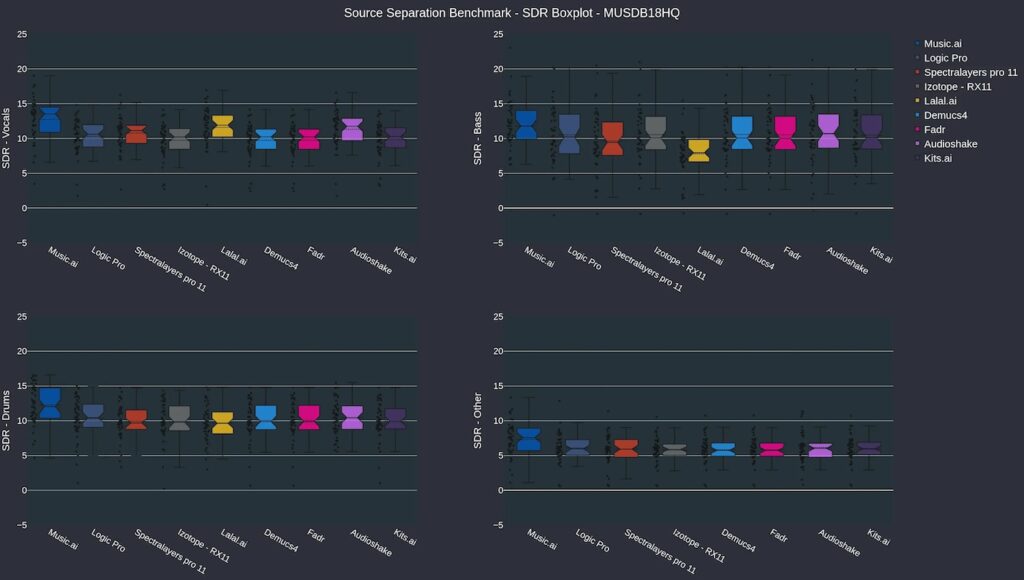
Modern AI tools can now separate full tracks into individual stems with unprecedented accuracy. Tools like music.ai, Audioshake and LALAL.AI enable engineers to isolate vocals, drums, bass, and other instruments, providing granular control over each element of the mix.
This technology has transformed how we approach remixing and problem-solving in complex mixing scenarios.
3. Live Performance Integration
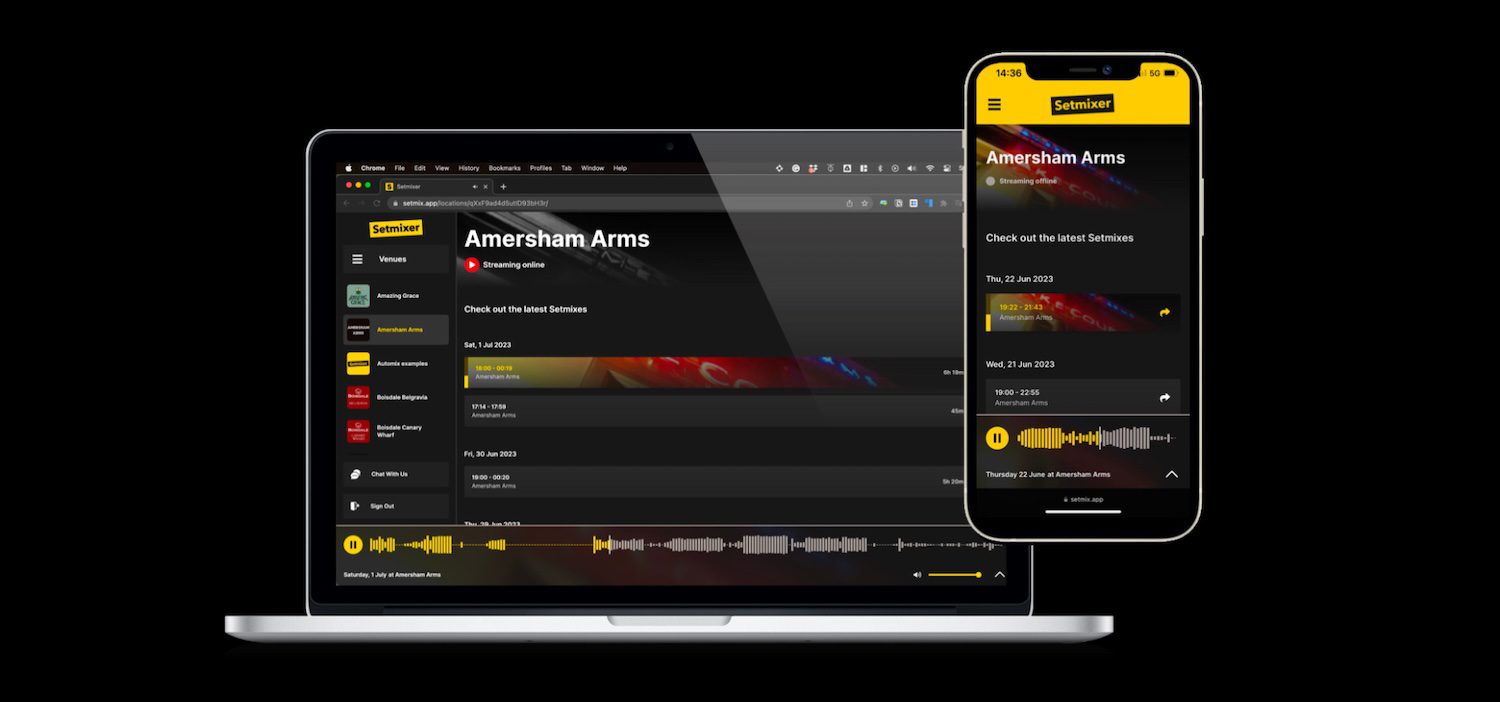
AI is transforming live music mixing through innovations like Setmixer, which captures up to 64 separate tracks during live performances and automatically creates balanced mixes.
This technology preserves the raw energy of live performances while ensuring professional-quality sound, opening new revenue streams for venues and artists alike.
4. Adaptive processing

The latest AI mixing tools can automatically adjust processing parameters based on the source material. Platforms like RoEx analyze your tracks and apply optimized settings for EQ, compression, and other effects, creating a professional sound while maintaining the unique character of your music.
This technology is particularly valuable for musicians who may not have extensive engineering experience.
5. Reference mix AI
Modern AI mixing platforms now incorporate reference mix analysis capabilities. RoEx can analyze professional reference tracks and automatically adjust your mix parameters to match the sonic characteristics of successful commercial releases.
This technology helps achieve consistent, industry-standard results while maintaining the unique character of your music.
Expert Insight
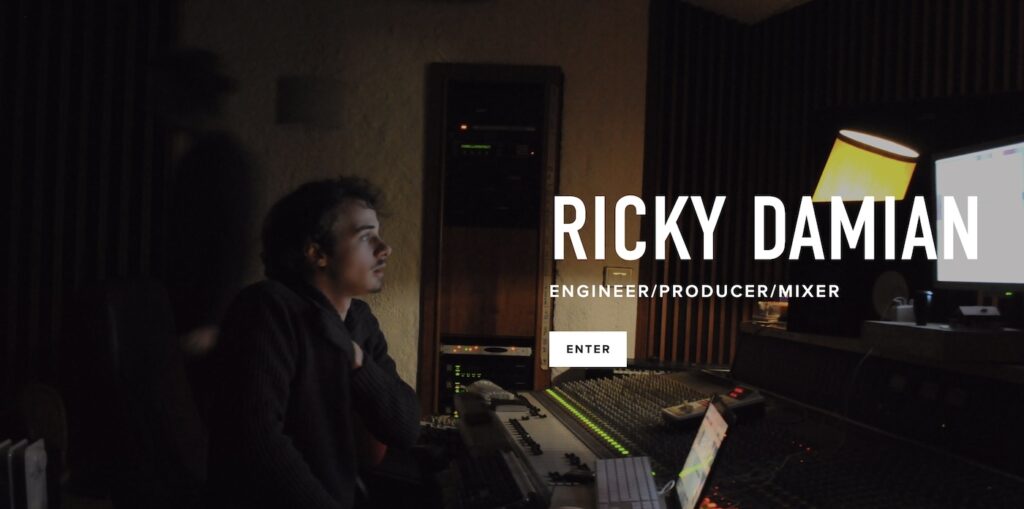
Grammy-winning mix engineer Riccardo Damian notes that AI automation is transforming the economics of mixing: “Mixing a song takes me from 10 to 15 working hours. In the first 2 in preparing everything, and throughout the work, I wish many tasks were automated”
This perspective highlights how AI tools are not just improving efficiency but fundamentally changing the mixing profession.
Looking Ahead
As AI mixing technology continues to evolve, we can expect even more sophisticated tools that bridge the gap between technical precision and creative expression. While these advancements won’t replace human engineers, they’re democratizing access to professional-quality mixing and enabling artists to achieve polished results more efficiently than ever before.
To stay competitive in this evolving landscape, mixing engineers should focus on developing essential skills for the AI age that complement rather than compete with artificial intelligence.
For those interested in exploring AI mixing tools, I’ve previously covered The best 4 free AI mixing and mastering tools.
Remember, while AI streamlines the technical aspects of mixing, it’s still essential to develop your critical listening skills and understanding of fundamental mixing principles. The goal is to use AI as an enhancer of your creative process, not a replacement for musical judgment.