With the push of a button, find your extraordinary beat. AI is transforming the music industry by putting creative power in the palms of every artist, amateur or pro. Through intuitive interfaces, AI tools analyze your vision and produce tailored tracks to match. Curious to join the rhythm revolution? Read on to explore how AI music generators work and which options best fit your style.
How does AI music work?
Making AI music is simpler than you think. At its core, AI systems are trained on extensive databases of existing songs. By recognizing patterns in melodies, harmonies, and rhythms, AI learns the fundamental building blocks of musicality. Tools like Mubert, Soundful, Korus and more then apply this knowledge to spontaneously compose original works tailored to your prompts.
Whether you describe an emotion, select a genre, or provide a genre and mood, the AI deconstructs your input and puts the sonic puzzle together seamlessly.
How to make AI songs?
While the technology powering AI music works similarly across platforms, their features and pricing vary. Some top AI music generators to consider include:
Tool 1 – Mubert
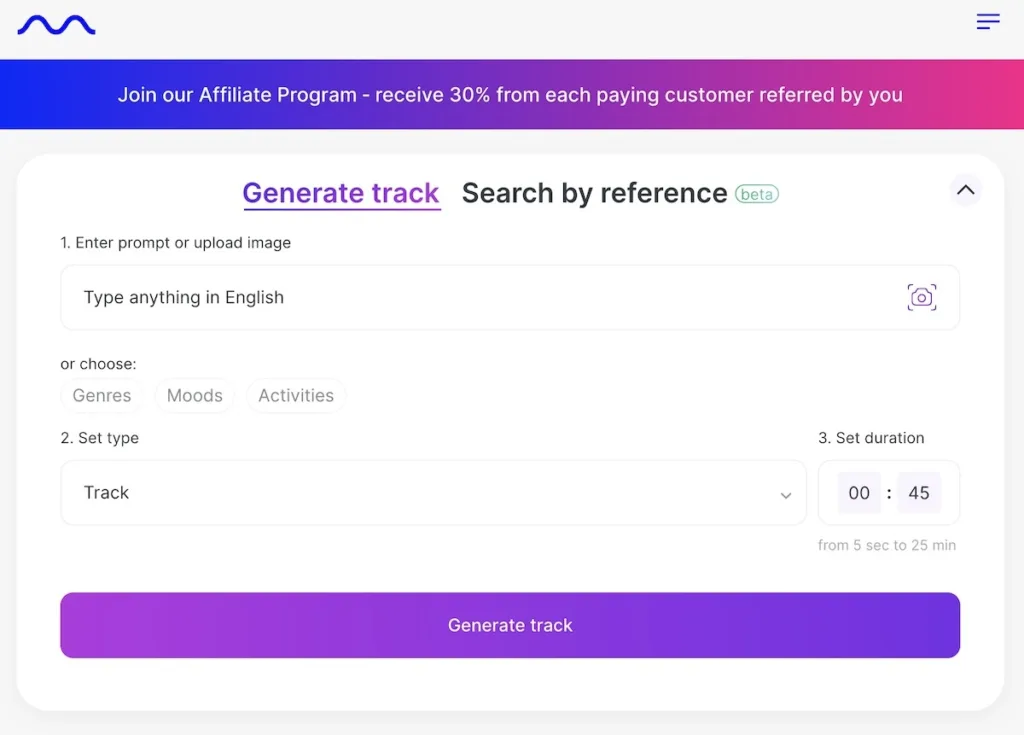
Mubert excels for content creators thanks to its intuitive Render feature. With a few clicks, craft moody scores that energize your videos and podcasts.
Tool 2 – Soundful
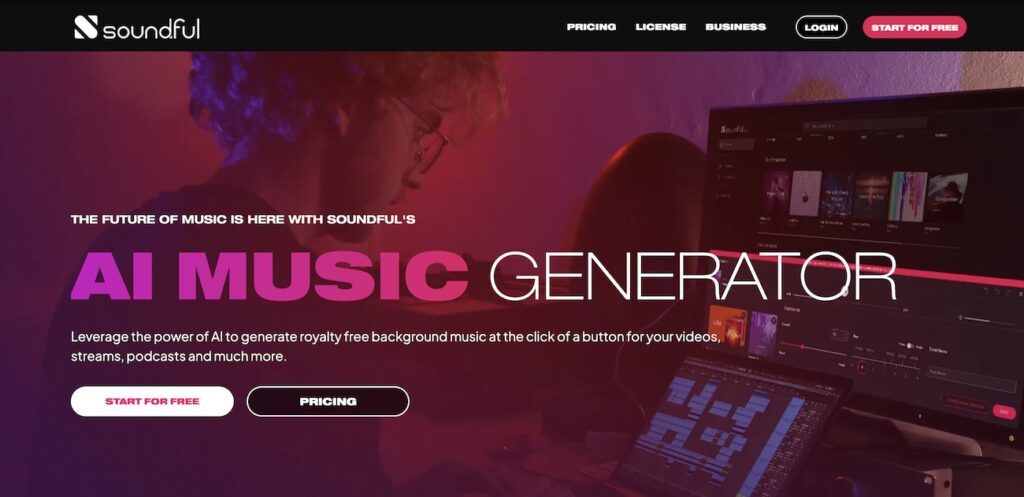
Soundful delivers Hollywood-worthy soundtracks accessible to all through simple templates and controls. Upgrade your membership to claim full copyright of refined AI compositions.
Tool 3 – Korus
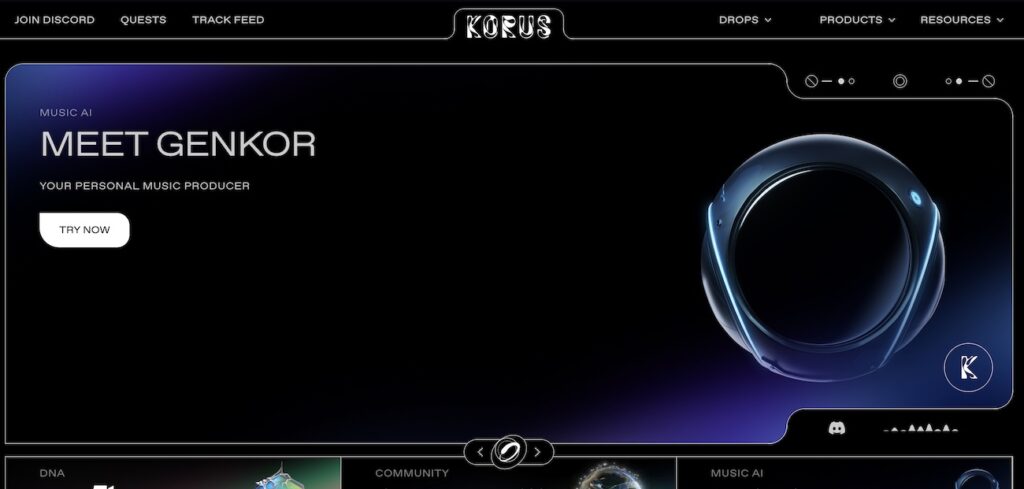
At Korus, dynamic 3D characters called Kors jam alongside your productions. Train these AI collaborators with exclusive ‘Artist DNA’ to explore uncharted sonic territories.
Tool 4 – Beatoven
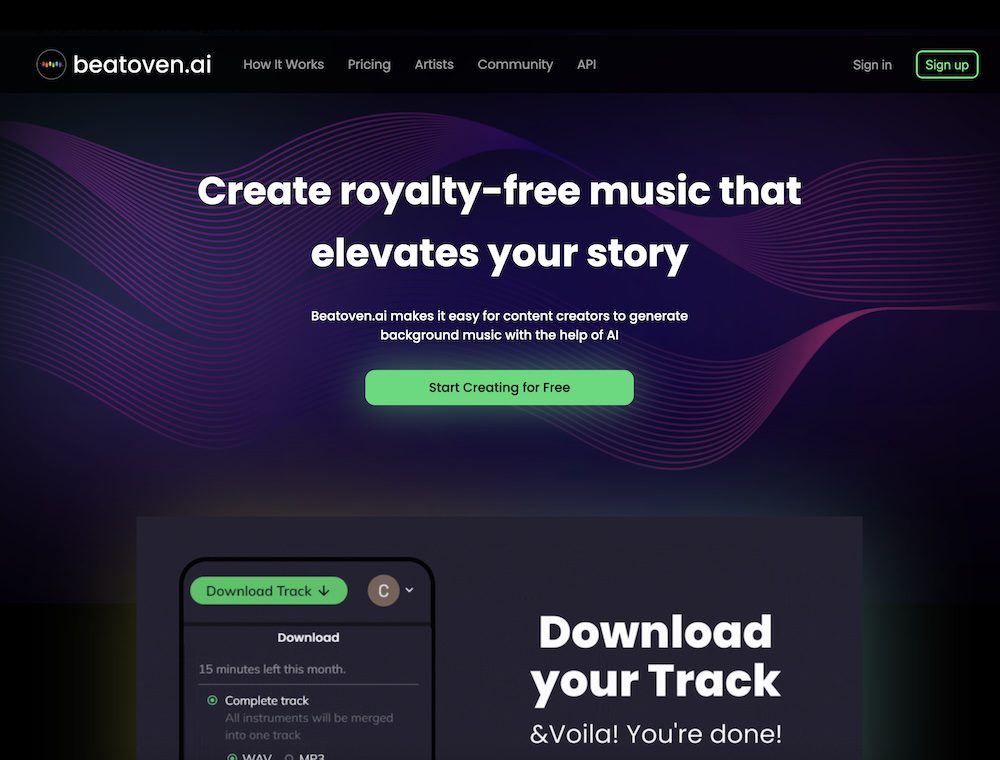
Beatoven removes all technical roadblocks, empowering non-musicians to soundtrack their visions. Mix and match genres, instruments, and moods to orchestrate professional-grade tracks.
Emerging tools like Triniti and Soundraw also bolster the artistic process. Triniti facilitates recording and distribution while Soundraw releases your inner composer through tailored song suggestions.
As AI assists more musicians, some argue creativity suffers. However, many see collaboration as an opportunity to reach new exploratory heights. By analyzing immense song repertoires, AI learns the core building blocks and allows humans to focus on expression.
Together, AI adds structure so artists may dedicate more energy to infusing soul. The future calls us to welcome innovation with open hands and hearts, leveraging technology’s potential without relinquishing our own.
Join the movement – your next hit awaits when AI and human harmony unite.