The music industry is bracing for a new battle – one that pits human creativity against the seemingly unstoppable rise of artificial intelligence. In a bold move, over 200 renowned artists have signed an open letter warning against the “predatory” use of AI in music.
Everything you need to know:
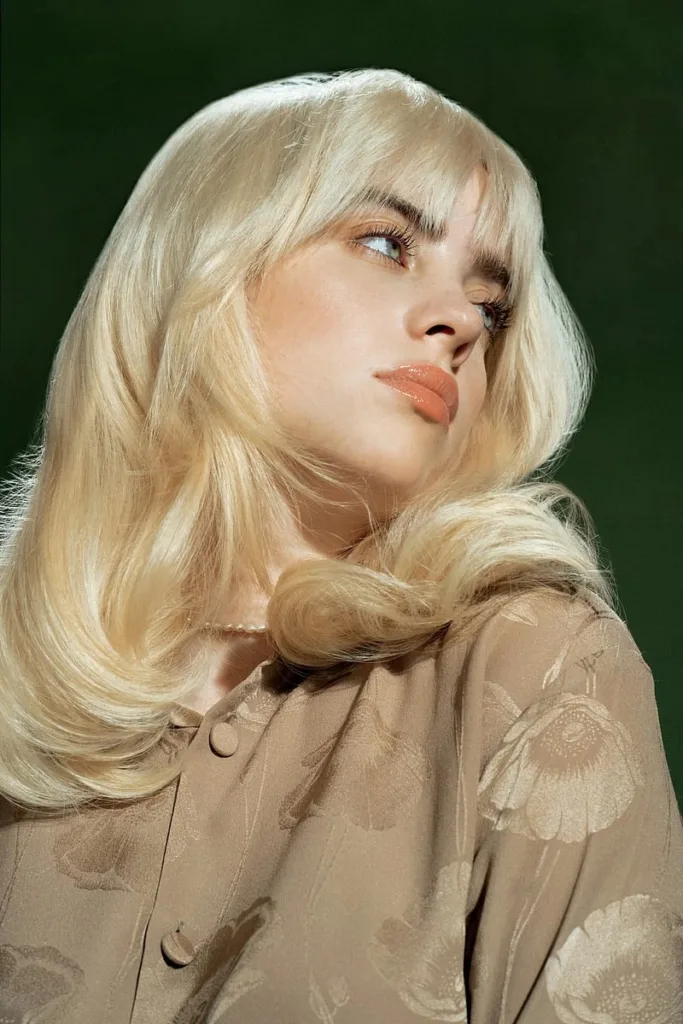
✓ Major artists, from Billie Eilish to Stevie Wonder, demand protection against AI mimicking their likenesses and voices
✓ Concerns raised about AI being used to replace human artists and “substantially dilute the royalty pools”
✓ Calls for tech firms to pledge not to develop AI tools that undermine or replace songwriters and performers
Music icons R.E.M., Katy Perry & more sound alarm on AI
The Artist Rights Alliance, a non-profit advocacy group, has spearheaded this industry-wide pushback against the potentially harmful integration of AI in the music ecosystem. In their open letter, the signatories, which also include Robert Smith, R.E.M., Peter Frampton, Jon Batiste, Katy Perry, Sheryl Crow, and Smokey Robinson, make a powerful statement:
“This assault on human creativity must be stopped. We must protect against the predatory use of AI to steal professional artists’ voices and likenesses, violate creators’ rights, and destroy the music ecosystem.”
Artist Rights Alliance
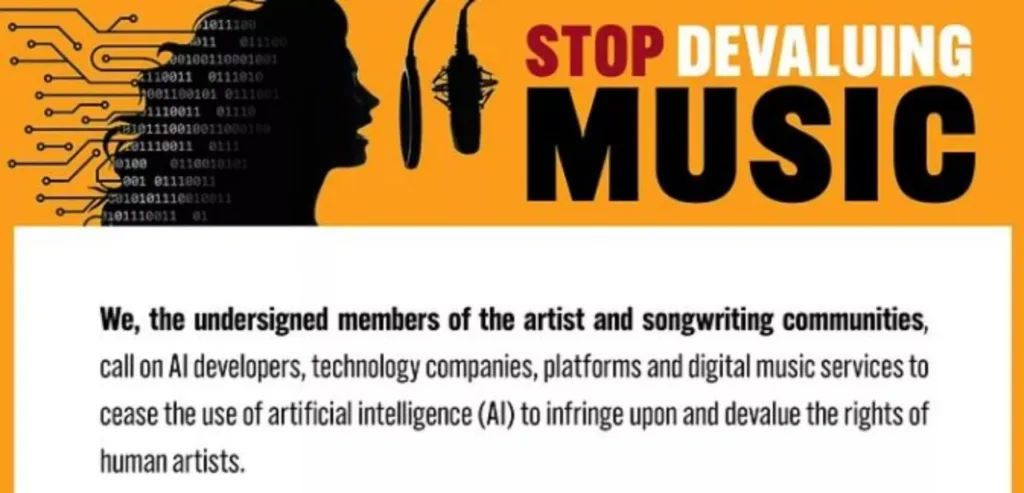
The letter acknowledges the potential benefits of responsible AI use, but firmly draws the line at AI being employed to “sabotage creativity and undermine artists, songwriters, musicians and rightsholders.” When used irresponsibly, the artists argue, AI “poses enormous threats to our ability to protect our privacy, our identities, our music and our livelihoods.”
This push for AI regulation in the music industry comes at a critical juncture, as the technology continues to evolve and present new ethical and legal challenges. Concerns over AI-generated content have sparked industry-wide negotiations and union strikes, with artists and creators seeking to protect their intellectual property and labor rights.
Lawsuits, strikes, & the “Elvis Act” – music community fights to protect their art from AI.
Tennessee has already taken legislative action, enacting the “Elvis Act” to prohibit the replication of an artist’s vocal likeness without consent. The open letter, however, goes further, addressing the issue of AI being used to train models with artists’ work without permission – a practice that has resulted in lawsuits against tech companies.
The letter states:
“Some of the biggest and most powerful companies are, without permission, using our work to train AI models. These efforts are directly aimed at replacing the work of human artists with massive quantities of AI-created ‘sounds’ and ‘images’ that substantially dilute the royalty pools that are paid out to artists.”
The diversity of signatories, spanning genres and generations, underscores the unity of the music community in this fight. While a few artists, such as Grimes and David Guetta, have embraced the creative possibilities of AI, the overwhelming sentiment echoed in the letter is one of caution and a desire to protect the human essence of music.
As AI tools become more accessible, musicians are being forced to stake out clear positions on the use of this technology. Nick Cave’s scathing response to an AI-generated song in his style, labeling it a “grotesque mockery of what it is to be human,” encapsulates the growing unease among artists.
The open letter serves as a bold rallying cry, urging tech giants and platforms to reckon with the ethical implications of their AI ambitions. The signatories are not calling for an outright ban, but a pledge to develop AI responsibly and in a way that empowers, rather than replaces, human creativity.
In the end, the battle lines have been drawn, and the artists have made their position clear: the soul of music must be protected at all costs. The future of the industry hangs in the balance, and the creative community is standing firm, ready to defend the human artistry that has defined music for generations.