1. ElevenLabs Opens Music Marketplace for AI Creators
 Credit ElevenLabs
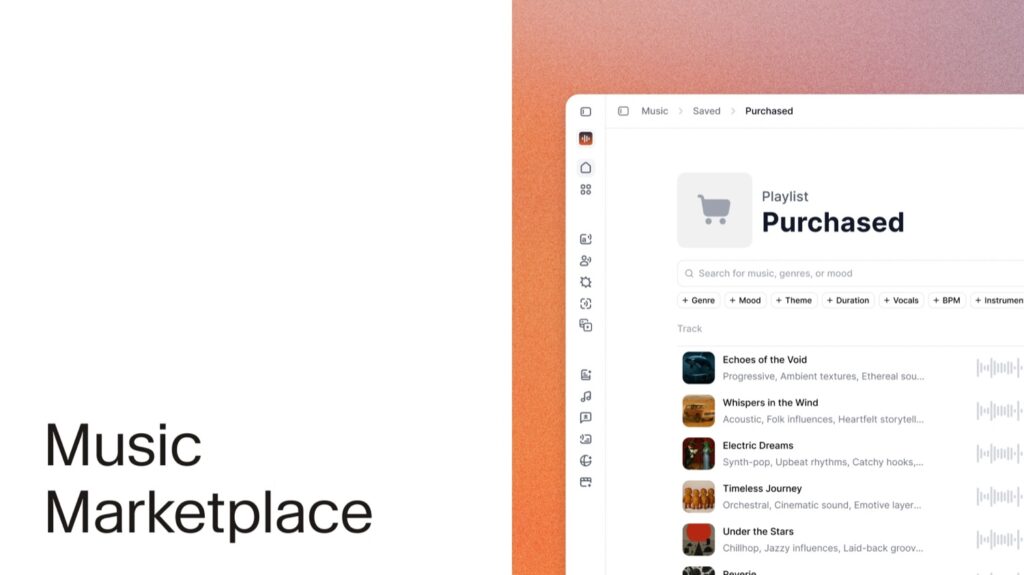
ElevenLabs launched the Music Marketplace on March 19, 2026. You can now publish tracks made with Eleven Music and earn when buyers license them for commercial use.
The platform offers three license tiers: Social Media (YouTube, podcasts, social posts), Paid Marketing (ads, sponsored content), and Offline (events, installations). Payouts arrive via Stripe Connect or ElevenLabs credits. The Voice Marketplace has already paid out over $11 million to voice creators, and top earners make around $4,000 per month.
The key difference from Suno and Udio: ElevenLabs trained Eleven Music on licensed data from Kobalt and Merlin before launch. That pre-cleared foundation makes commercial licensing viable while competitors face active lawsuits.
One warning for creators: AI-generated music holds no copyright protection under US law. You own nothing in the legal sense. ElevenLabs provides zero exclusivity, and all liability falls on you. The Decoder’s analysis puts it plainly: you are selling music you do not own.
2. First AI Streaming Fraud Case Ends in $8M Guilty Plea
 Source Digital Music News
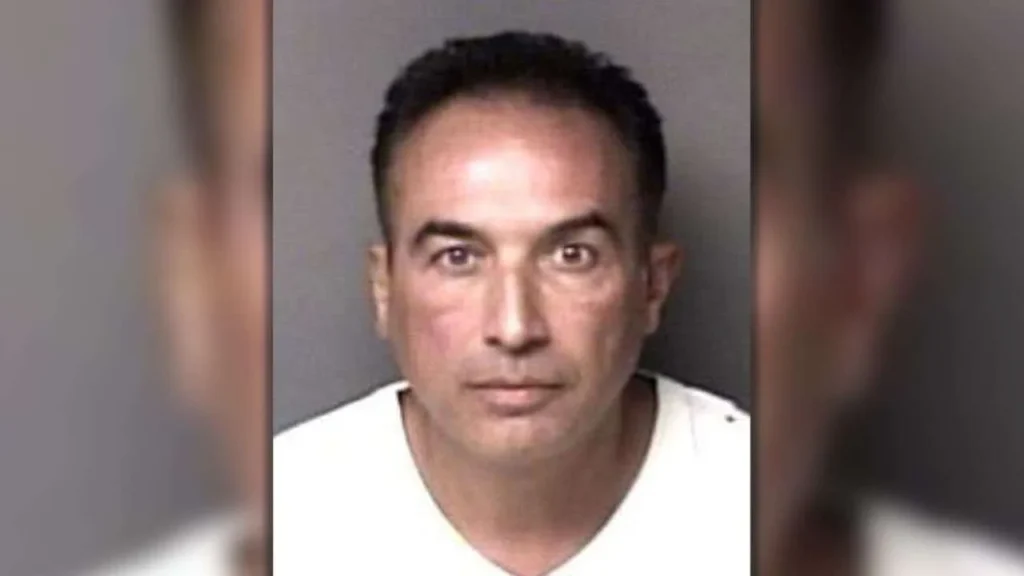
Michael Smith, 54, of Cornelius, North Carolina, pleaded guilty on March 19, 2026 to conspiracy to commit wire fraud. This is the first federal AI streaming fraud prosecution in US history.
Smith ran 1,040 bot accounts generating 661,440 fake streams daily across Spotify, Apple Music, Amazon Music, and YouTube Music between 2017 and 2024. He sourced up to 10,000 AI-generated tracks per month and collected an estimated $1.2 million in fraudulent royalties annually. The platforms missed it for seven years. The Mechanical Licensing Collective caught it in early 2023.
Smith agreed to forfeit $8,091,843.64 and faces up to five years in prison. Per Music Business Worldwide, hundreds of his songs list Boomy CEO Alex Mitchell as a co-writer. Mitchell has not been charged.
Every fake stream shrinks your share of the royalty pool. According to Beatdapp, streaming fraud costs the industry $2 billion yearly. This case will accelerate stricter upload verification and minimum stream thresholds across all major platforms.
3. Mark Cuban Shares Three AI Moves for Indie Artists
 Credit Billboard YouTube Screenshot of interview
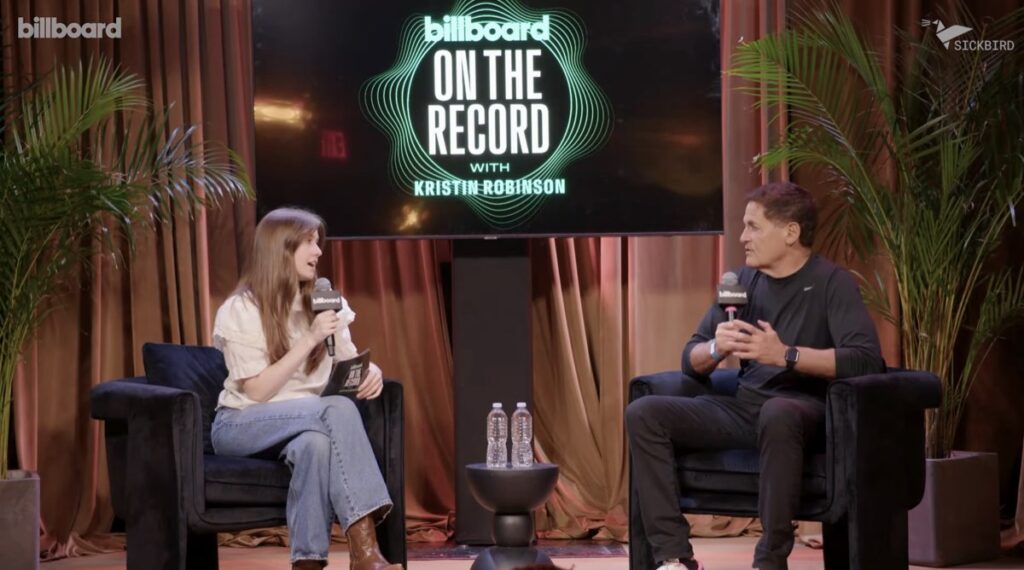
Mark Cuban told Billboard at SXSW 2026 that breaking new artists is “the worst” music investment, citing a 99.99% failure rate. Then he outlined three AI opportunities for indie artists.
First: automate Spotify editorial pitching now. Cuban named Claude specifically for building fan sites and running outreach. He estimates the first 100 artists using AI for pitching get a real advantage. The next 5,000 trigger filters. The window closes in 12 to 18 months.
Second: watch prediction markets enter music. Cuban confirmed platforms like Polymarket and Kalshi will launch music-specific markets. His proposed mechanism: bet on Spotify spin counts for a specific song over a defined period. No music markets exist yet, but early participants will set pricing norms.
Third: treat live events as your durable revenue floor. The US concert industry reached $60.2 billion in 2026, growing at 11.7% annually. As AI floods streaming, physical presence becomes scarce and commands a premium.
4. Roland Launches AI Melody Plugin With Sony CSL
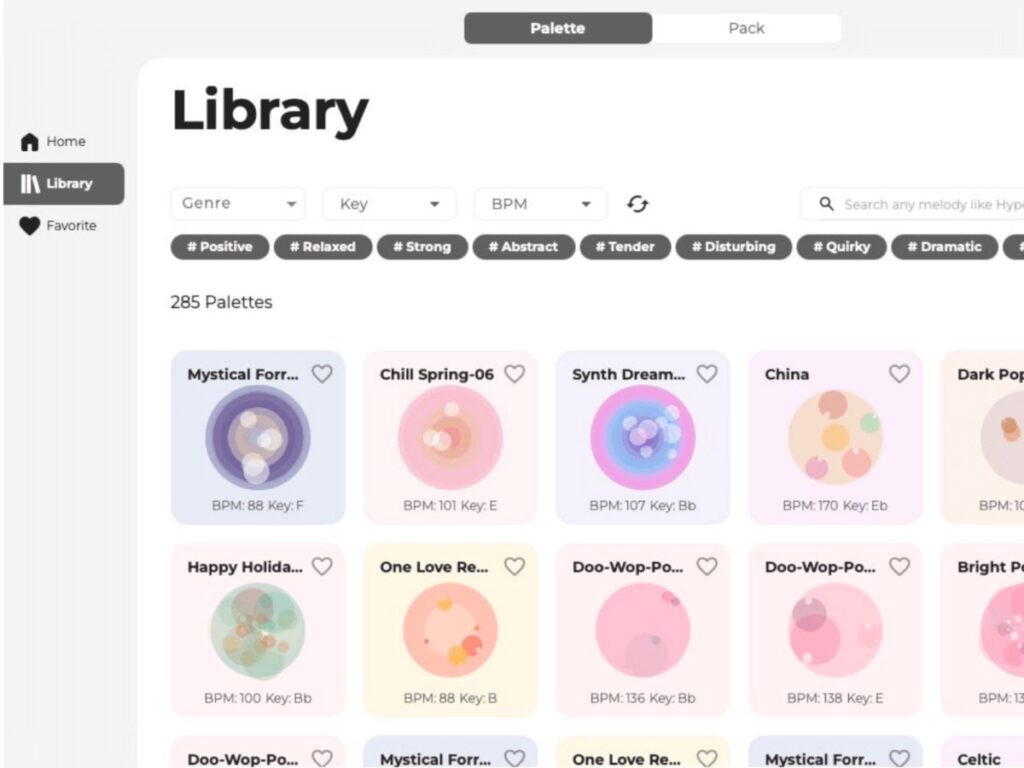
Roland announced Melody Flip, an AI melody generation plugin built with Sony Computer Science Laboratories Paris. A free trial launches in May 2026 through Roland Cloud Manager.
The plugin imports an audio file, extracts key, tempo, and chord data, then generates new melody ideas as editable MIDI. Exports cover chord, bass, melody, and drum components. The tool matches your audio against 300 creative palettes using Sony CSL’s Diff-A-Riff research, a latent diffusion model peer-reviewed at ISMIR 2024.
This is Roland’s first dedicated AI software product and the first practical test of the Roland and UMG AI principles framework from 2024. You need a Roland Cloud membership to access it. Create or verify your account now so the trial is ready on day one.
One open question: Roland has not published a content policy for uploaded audio. Use only audio you own outright as input until the company clarifies its policy.
5. Suno CEO Apologizes for “Don’t Enjoy Making Music” Comment
 Credit YouTube Screenshot
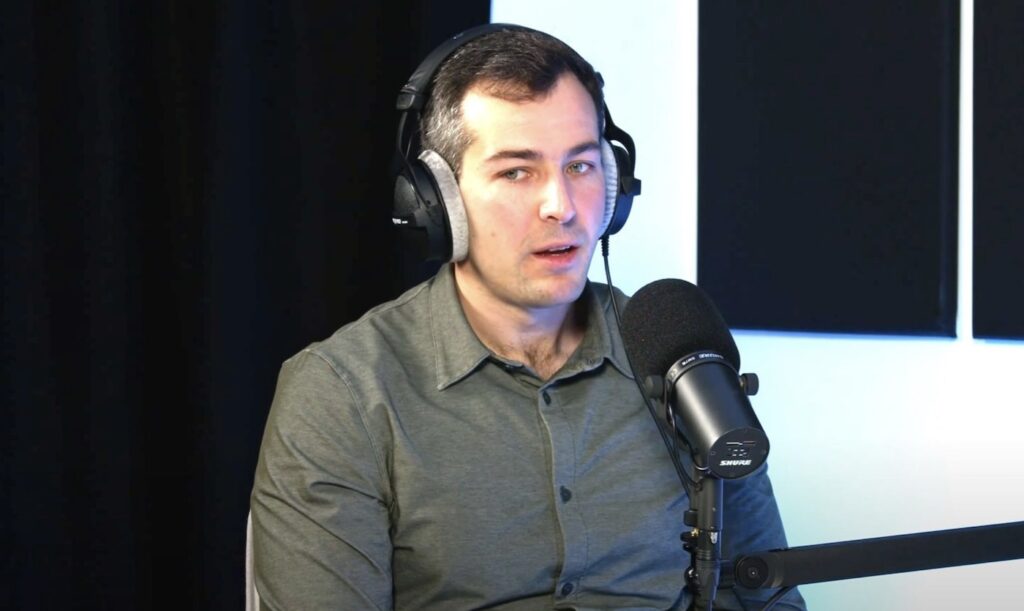
Suno CEO Mikey Shulman told Billboard he “really wished he had chosen different words” about making music being unenjoyable. The apology arrived days after Suno disclosed 2 million paid subscribers and $300 million in annual recurring revenue.
The original 20VC interview contained three statements: making music is mostly unenjoyable, skill matters less than taste, and Suno used copyrighted music in training as “stock standard” practice. Shulman walked back only the first claim. The training data admission stands.
That admission carries legal weight. The RIAA’s lawsuits against Suno seek up to $150,000 per infringed work. While Suno settled with Warner Music in November 2025, UMG and Sony Music lawsuits remain active in US federal courts. The Warner settlement required Suno to retire its current model in favor of one trained on licensed content only.
For you as a creator, the operative question is what a Sony ruling means for every Suno subscriber. A decision against Suno forces a full model rebuild, changing output quality and pricing for everyone on the platform.