In a fascinating study conducted by Beatriz Ilari and Lynne Snyder from the University of Southern California, the impact of AI on the music listening habits of Generation Z has been brought to light. Over the course of four years, the researchers have observed a significant shift in their students’ musical preferences, with an increasing diversity and eclecticism that reflects the influence of AI-generated playlists.

Everything you need to know:
✓ Students’ musical preferences have become increasingly diverse and unique, influenced by AI-generated playlists.
✓ AI has the potential to expose young people to a wider range of music and cultural traditions.
✓ The impact of AI on the communal listening experience and identity formation remains uncertain.
The study, which involved informal surveys at the start of each semester, revealed that students’ favorite songs and artists have become more varied and unique with each passing year.
“When we ask the entire group about certain songs, it is often the case that no one, save for the person who included it, has heard it.”
The researchers stated.
These findings are consistent with recent research showing that adolescents appreciate artists from a wide range of genres, from K-pop to heavy metal to classical music. However, the question arises: what happens when young people don’t know what their peers are listening to, and when the music they’re exposed to isn’t necessarily chosen by humans?
The evolution of music listening

To understand the impact of AI on music listening habits, it’s essential to look at the evolution of music consumption. For centuries, experiencing music was limited to live performances. The introduction of radios and record players transformed how people interacted with music, but there was still a social element to listening.
The Sony Walkman, introduced in 1979, marked a major turning point, making music a deeply private and personal experience. This trend was further amplified by the introduction of the iPod and smartphones. For adolescents, this private listening experience creates a protective bubble and allows for mood regulation.
The rise of AI-generated playlists
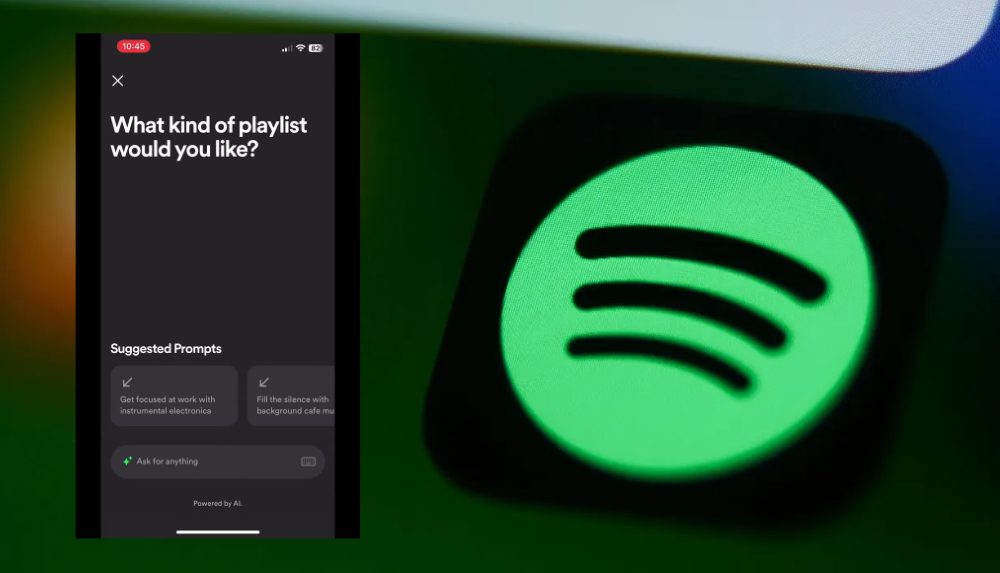
In the past, creating a playlist involved recording individual songs onto a tape or waiting for the radio to play a desired song. Now, with the advent of streaming services, AI and social media platforms work together to suggest personalized playlists based on listening history and preferences.
While this algorithmic curation can lead to the discovery of new music, some listeners feel stuck in a “listening rut,” with playlists populated by similar-sounding songs and artists. However, the researchers argue that AI-generated playlists have the potential to expose young people to a wider range of music and cultural traditions that they might not have discovered on their own.
The Impact on identity and community
As young people transition from childhood to adulthood, forming a unique identity and becoming part of a community are crucial processes. Music listening and preferences play a significant role in this transition.
The study found that students showed a willingness to listen to a variety of genres and subgenres offered by AI, with a panoply of selections ranging from R&B to heavy metal to Latin ballads. However, the impact of AI on the communal listening experience remains uncertain.
“So does AI make it easier to differentiate the self, but harder to bond with others? Or does it, instead, offer a broader spectrum for self-exploration and communal connection? The truth is, no one really knows.”
The researchers stated.
While fears of new technologies are commonplace, the transformation of adolescents’ communal listening experiences through AI playlists is a revolution worth paying attention to. As the researchers conclude, “If AI is, indeed, contributing to the transformation of adolescents’ communal listening experiences, then AI playlists are more than just a convenient way to discover your next workout tune.”
As we continue to navigate the ever-evolving landscape of music consumption, it is crucial to understand and explore the impact of AI on the listening habits of younger generations. The findings of this study serve as a starting point for further research and discussion on this fascinating topic.