With the help of ChatGPT, Suno, and other AI assistants, Morrison generated “Echoes of a Digital Heart” – a song and music video celebrating the possibilities and limitations of human-AI relationships.
Scroll to the end for the music video
↓↓↓↓↓↓↓↓
Everything you need to know:
- ChatGPT helped brainstorm lyrics and story elements
- Suno composed a full music track with vocals
- Midjourney, Stable Diffusion generated images for the music video
Step 1 – Generating the lyrics
The first step was coming up with an idea. Morrison asked ChatGPT to plot a story inspired by the unlikely romance between a man and AI. It suggested imagery and narrative beats that ultimately shaped the music video. ChatGPT’s ability to understand context and craft coherent narratives proved invaluable for kicking off the creative process.
Step 2 – Generating the song
↳ Create your own AI music song here
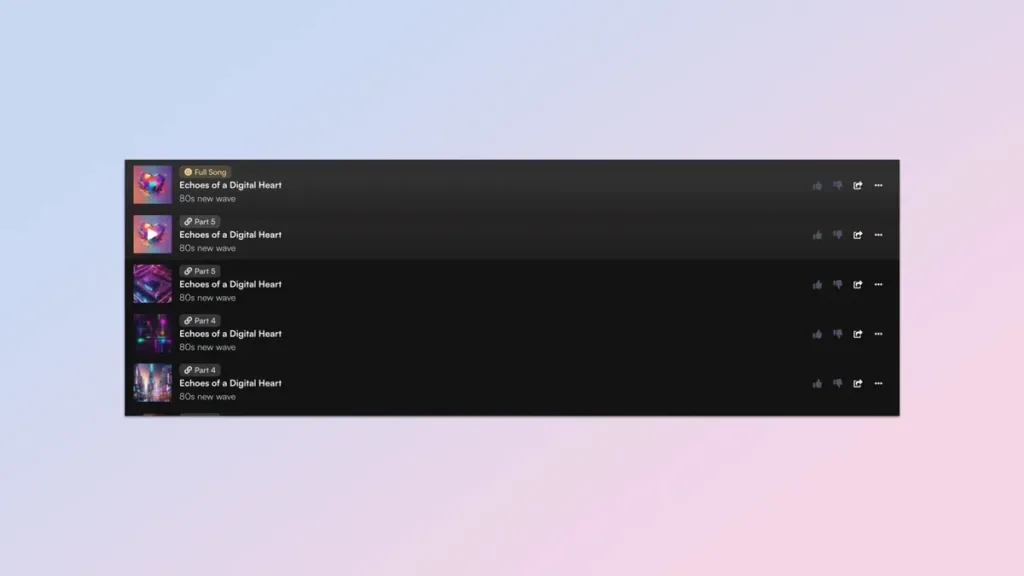
Morrison then turned to Suno to generate the actual song. By inputting ChatGPT’s lyrics and choosing an 80s new wave genre, Suno composed a full three-minute track complete with vocals in the chosen style. While not perfect, Suno demonstrated how emerging AI tools are lowering the barriers to music creation.
Step 3 – Generating the music video
↳ Create your own AI music video here
Creating a story line with ChatGPT and Midjourney
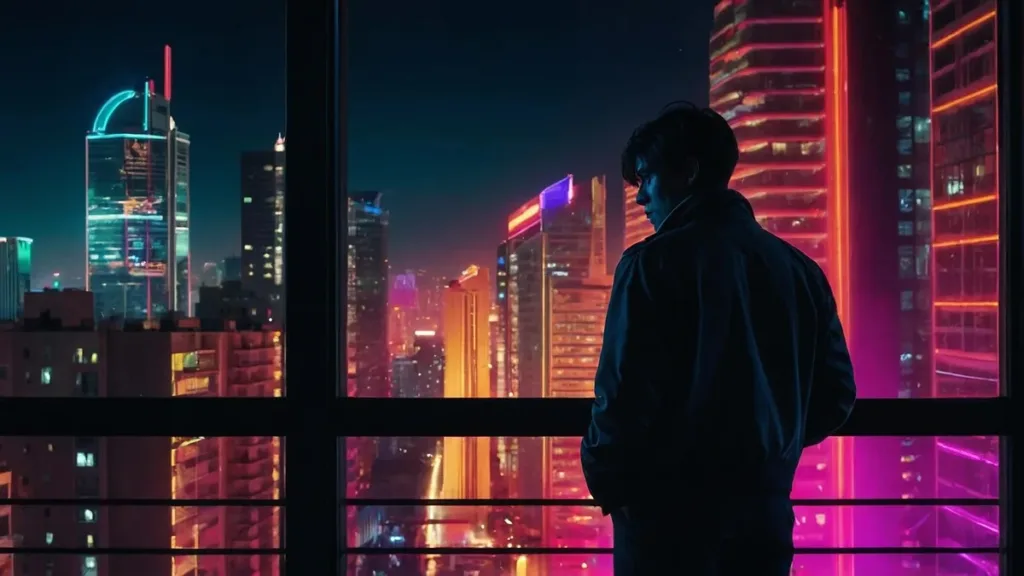
Bringing the song to life visually proved to be the most challenging aspect of the project. Morrison first created a story outline for the song with narrative beats and imagery suggestions from ChatGPT. He then fed over 80 individual prompts into Midjourney and Leonardo to generate scenes depicting the story over the song’s duration.
Using Leonardo to turn the story line into clips
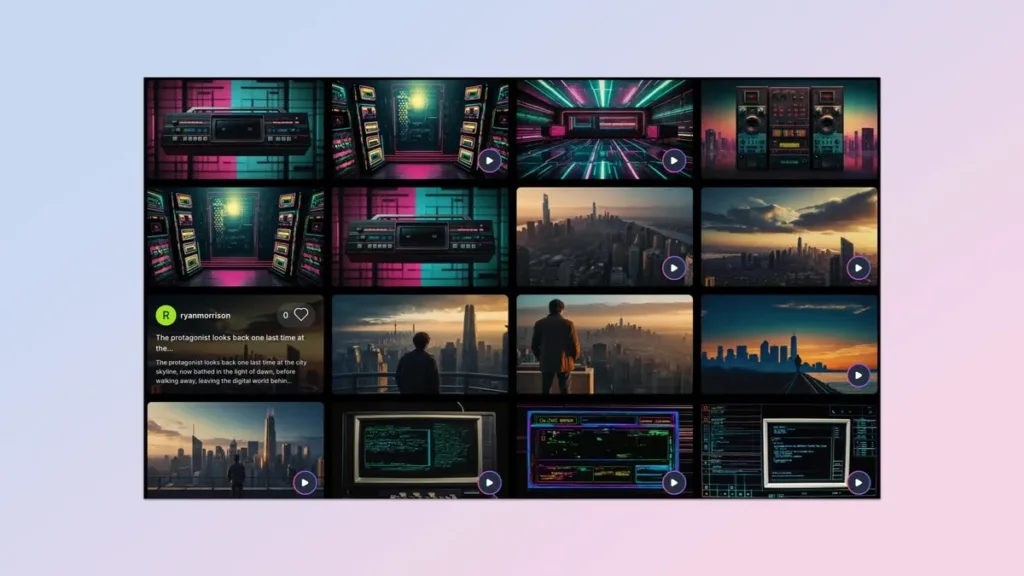
Morrison provided Leonardo, an AI platform known for photorealistic image generation, with descriptions of each 5-second clip within the outlined narrative. After spending close to 2,000 credits, Leonardo had generated 90% of the necessary images. However, two key elements were still missing: the dream sequence and a central singer.
The creation of the dream sequence
For the dream sequence, Morrison turned to Stable Video Diffusion, testing its abilities to realistically visualize abstract concepts. To complete the cast, he used Midjourney to create a 1980s British singer matching the retro aesthetic. Some tweaking in Midjourney’s image editing features helped realize exactly the right look.
The final pieces were brought together by a program called Pika Labs, where Morrison animated the singer’s mouth movements to match the lyrics. Through continued experimentation across multiple AI tools, Morrison was ultimately able to visualize the story in its entirety programmatically.
↓↓↓↓↓↓↓↓
The finished song “Echoes of a Digital Heart – an AI love song”
Through creative experimentation with AI tools like ChatGPT, Suno, and Midjourney, Morrison was able to generate an original love song and music video from start to finish, demonstrating how emerging technologies are expanding access to artistic expression.